
208 results
-
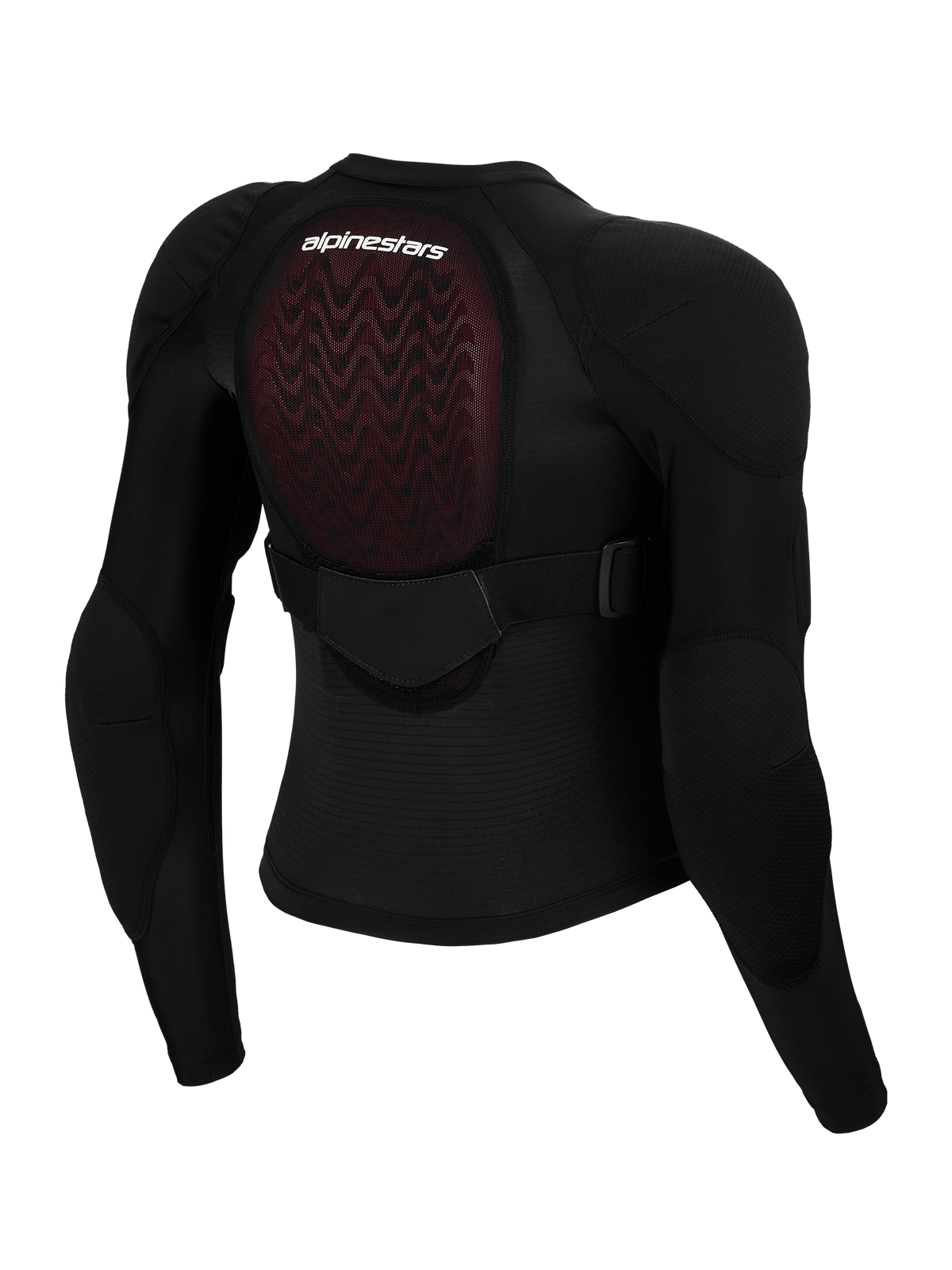
Bionic Plasma Light Youth Protection Jacket -
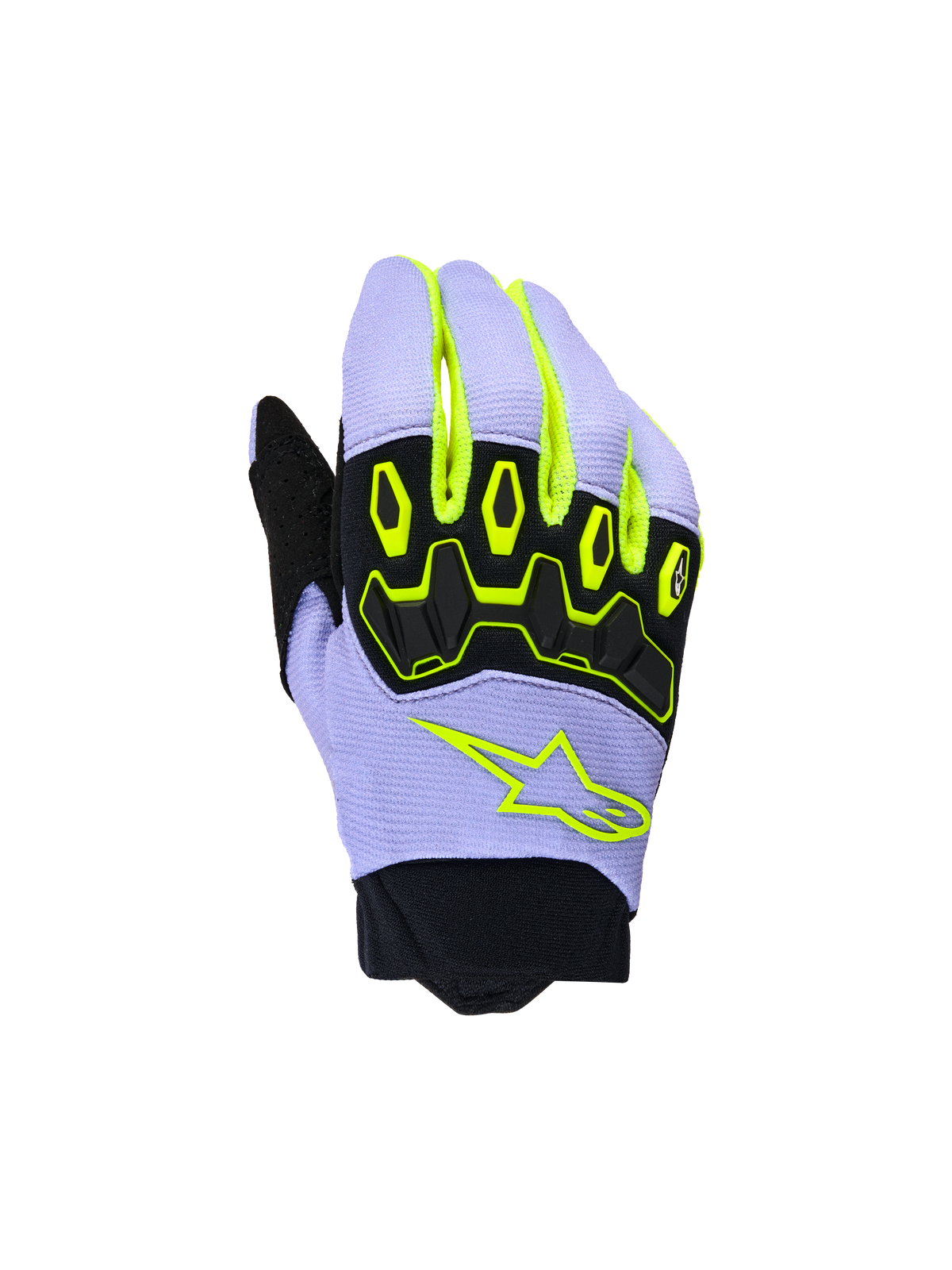
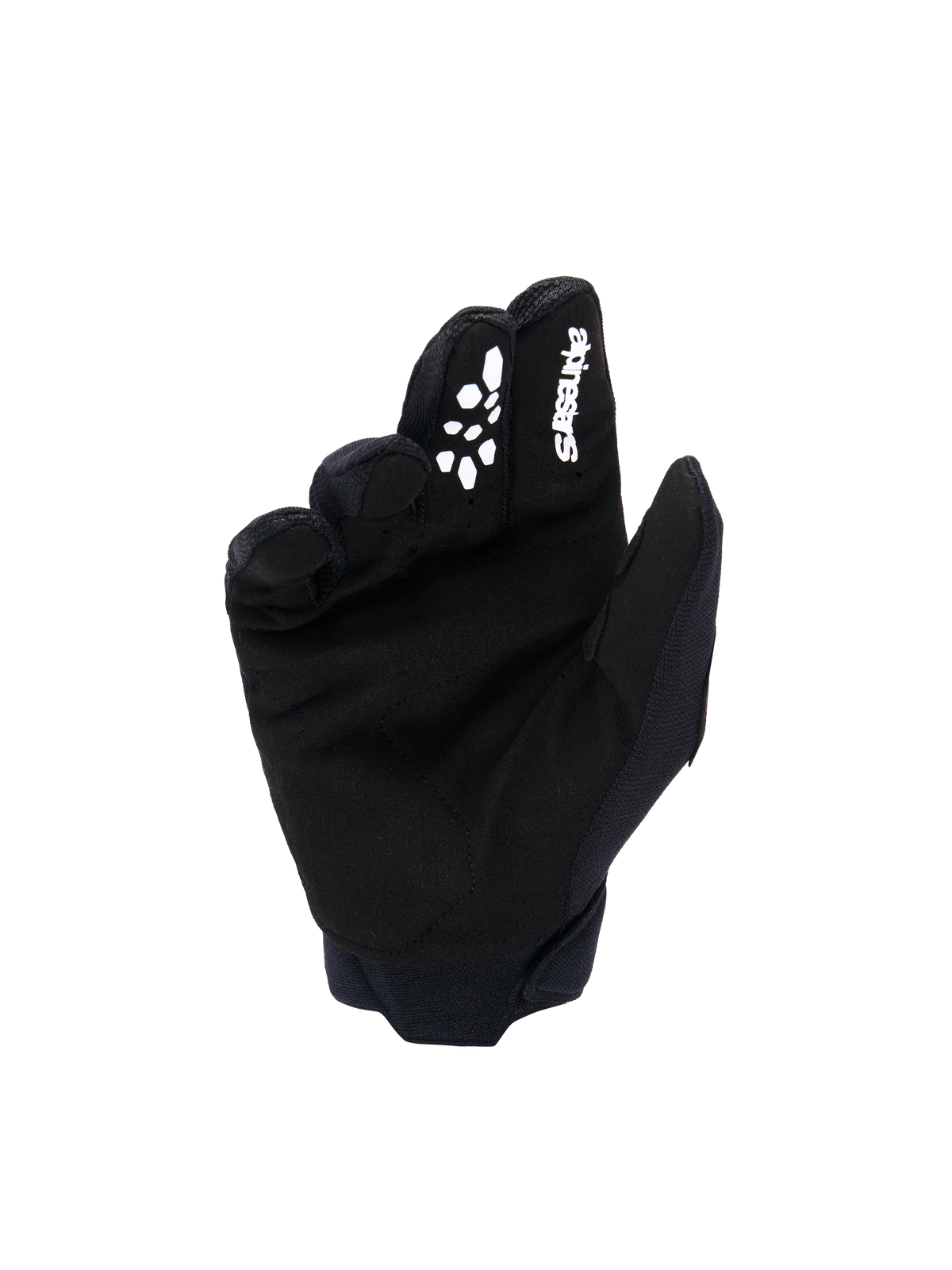
Youth & Kids Full Bore V2 Gloves -
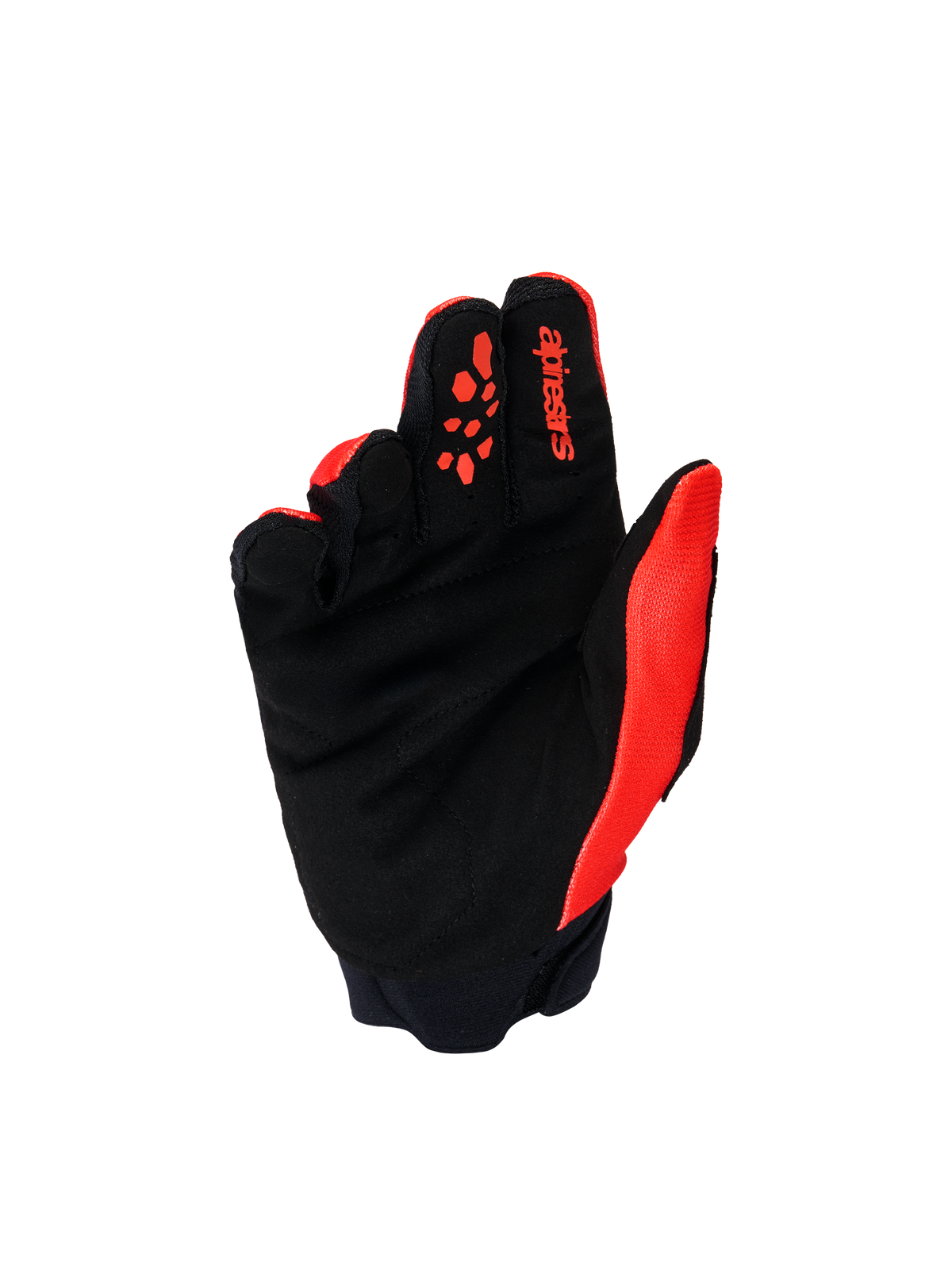
2026 Youth Radar Gloves -
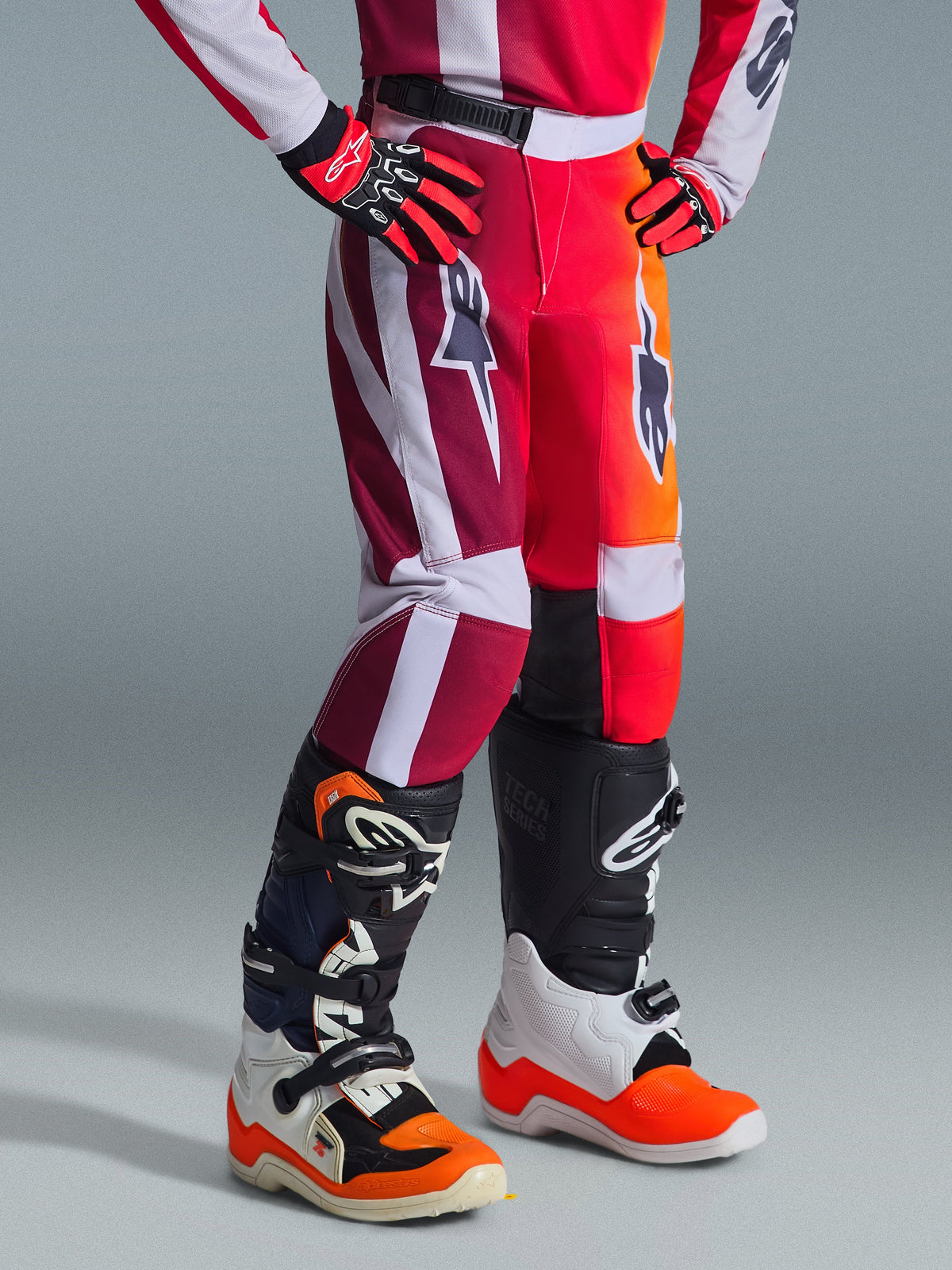
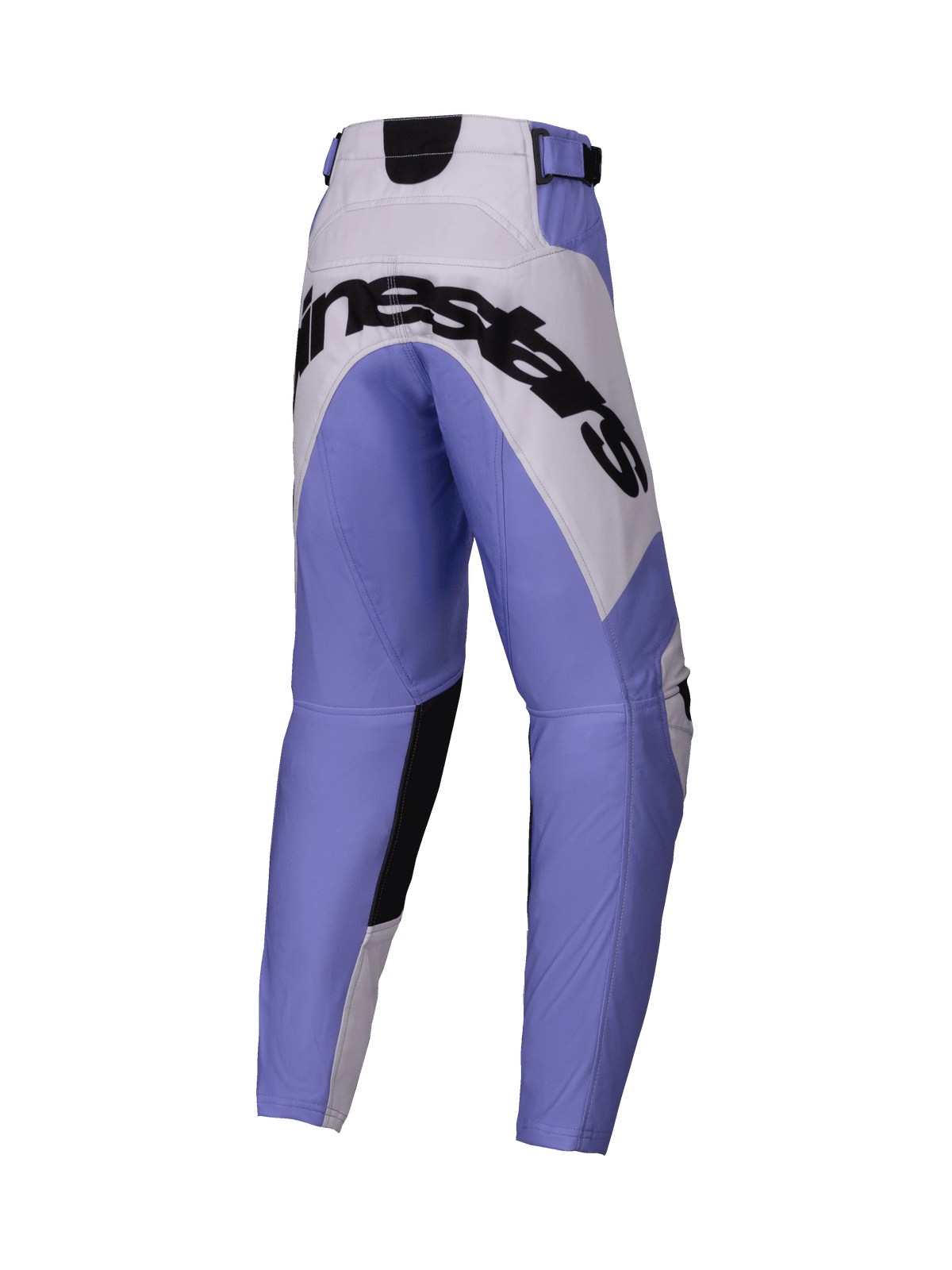
2026 Youth Supertech Vista Pants -
2026 Youth Radar Gloves -
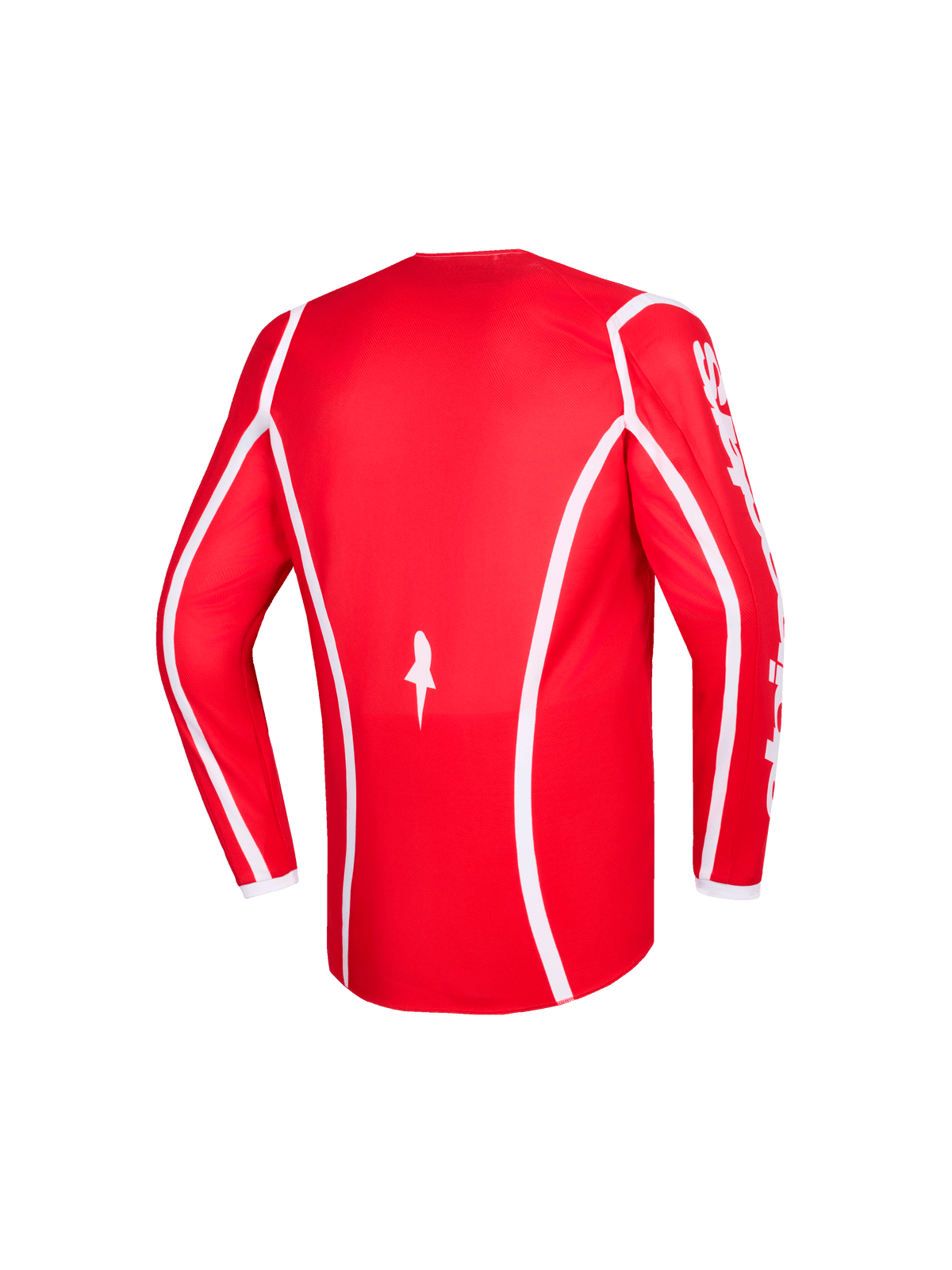
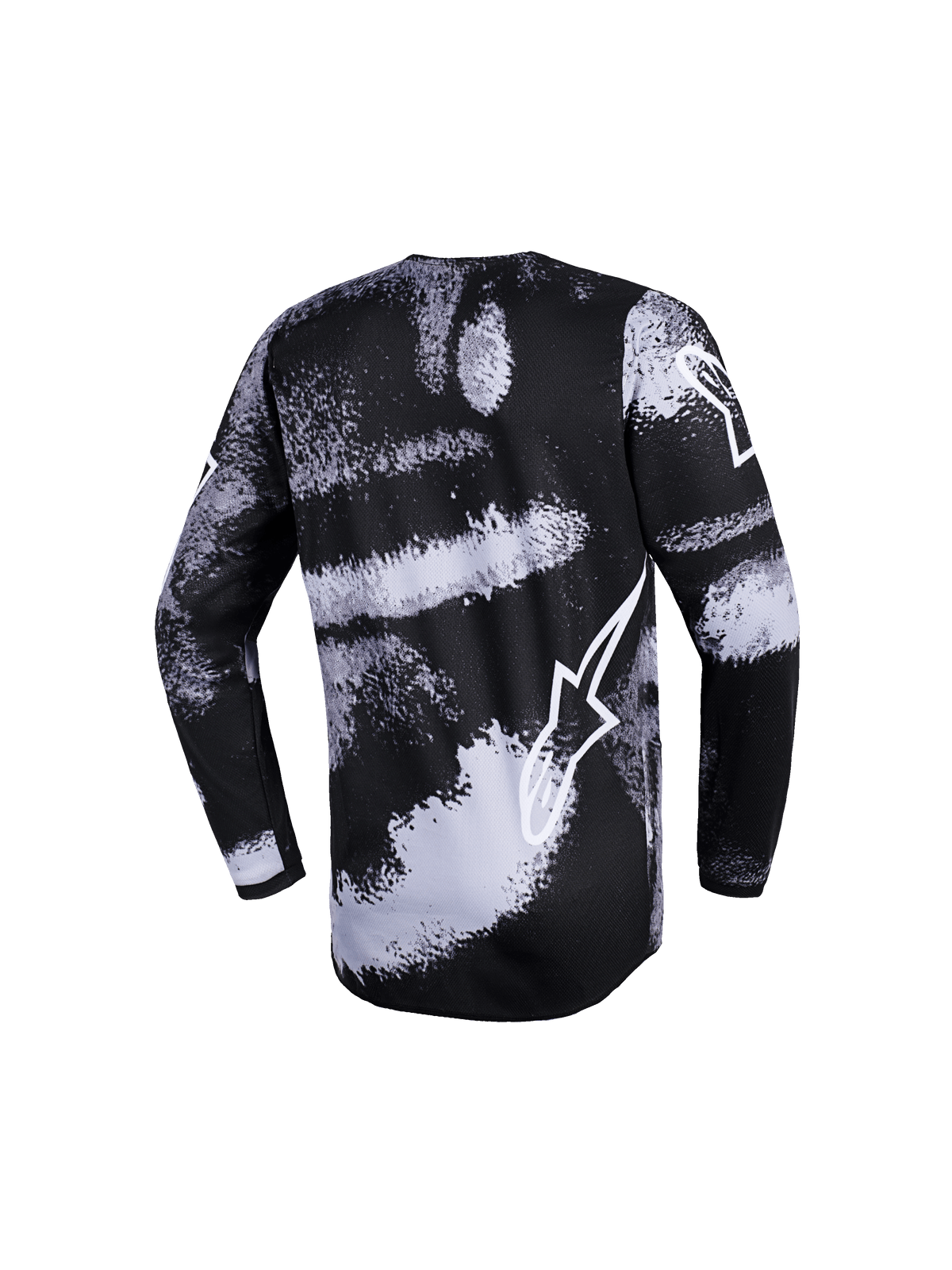
2026 Youth Fluid Apex Jersey -
Youth MX Plus Socks -
Youth & Kids Full Bore V2 Gloves -
Youth & Kids Full Bore V2 Gloves -
Youth & Kids Full Bore V2 Gloves -
Youth & Kids Full Bore V2 Gloves -
Youth & Kids Full Bore V2 Gloves -
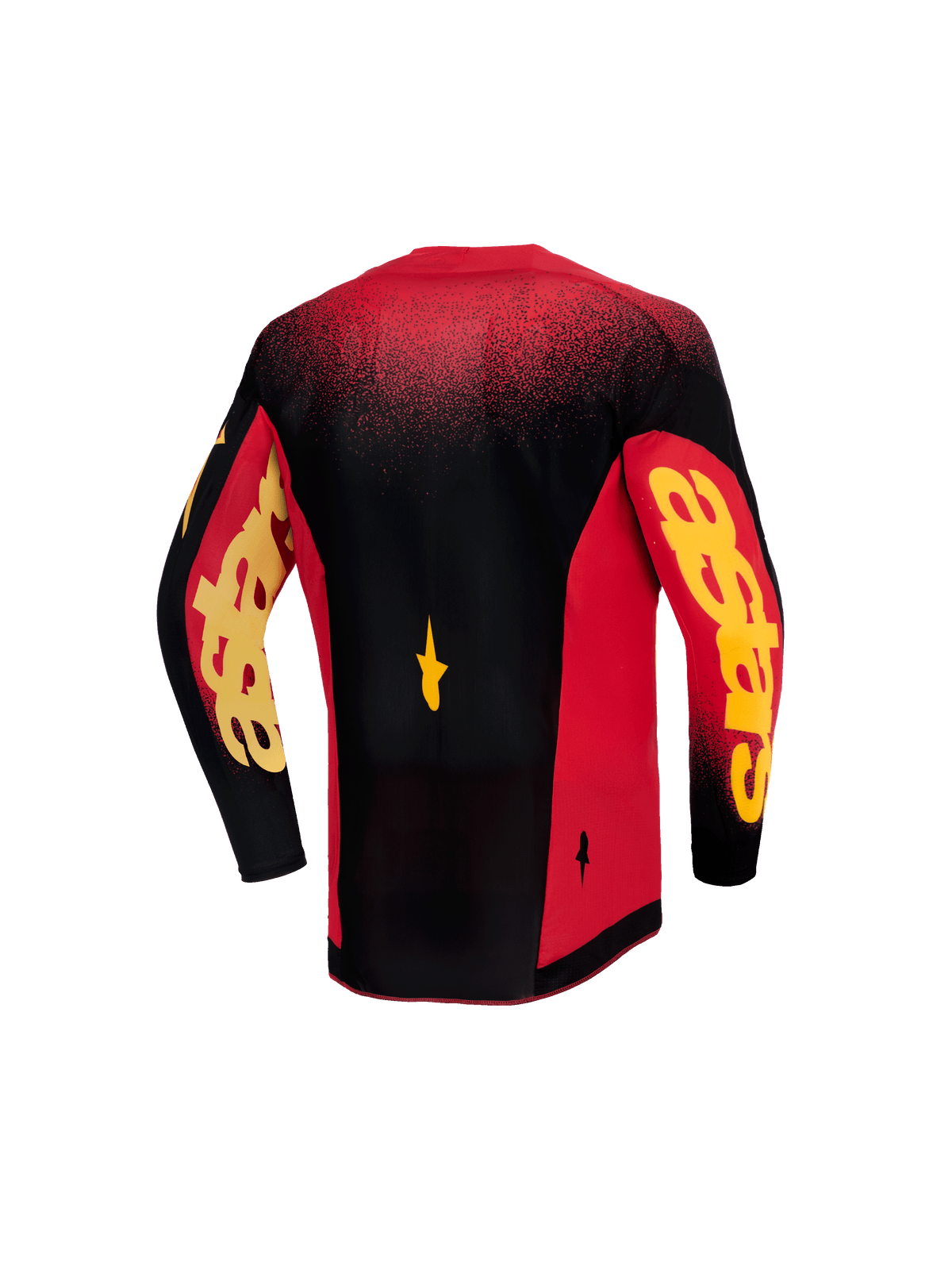
2026 Youth Supertech Scenz Jersey -
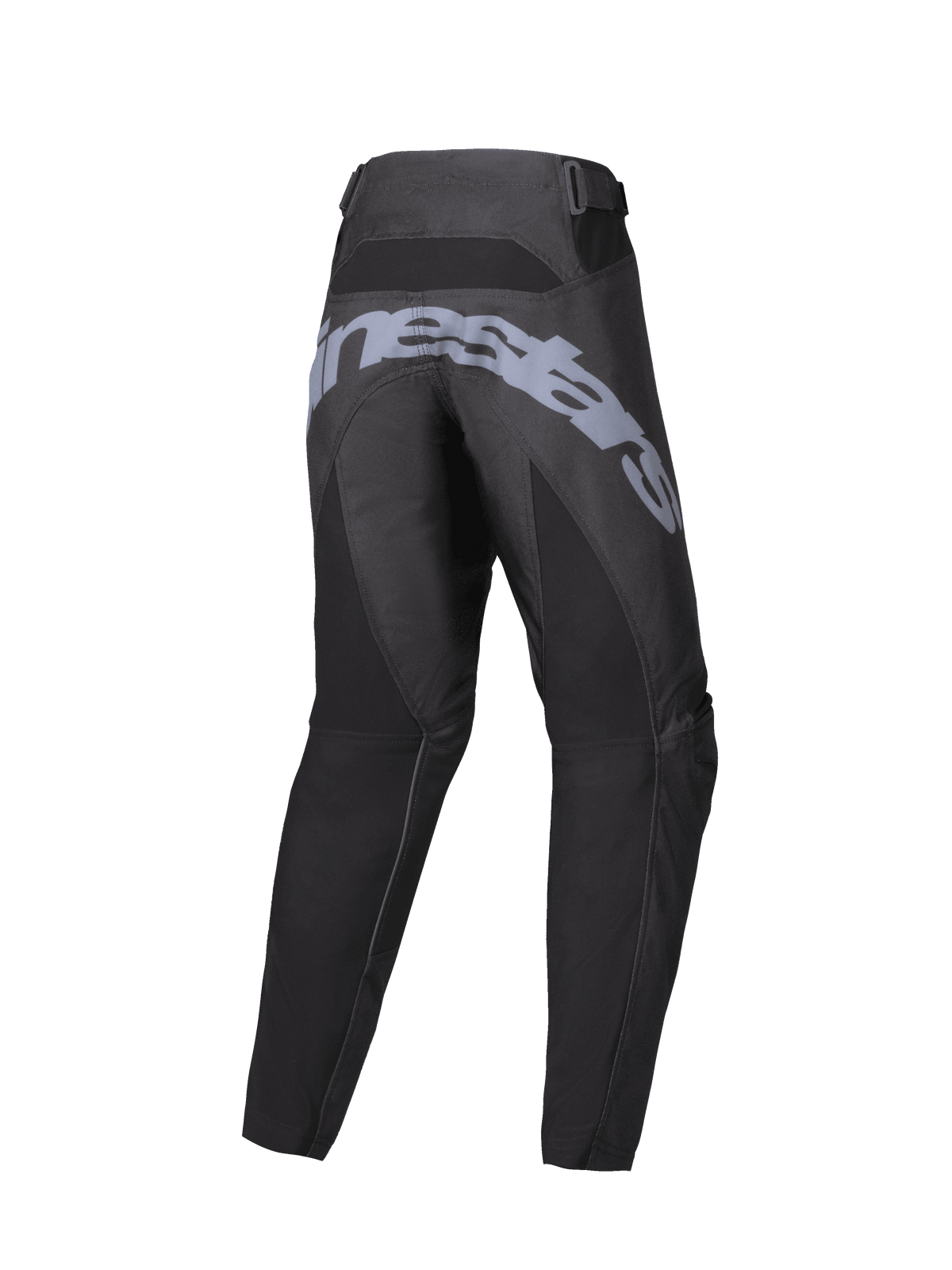
2026 Youth Supertech Scenz Pants -
2026 Youth Fluid Portl Jersey -
2026 Youth Fluid Portl Pants -
2026 Youth Fluid Lahnd Jersey -
2025 Youth Racer Veil Jersey -
2025 Youth Racer Veil Pants -
2025 Youth Racer Graphite Pants -
2025 Youth Racer Melt Pants -
2025 Youth Racer Melt Jersey -
2025 Youth Racer Veil Pants -
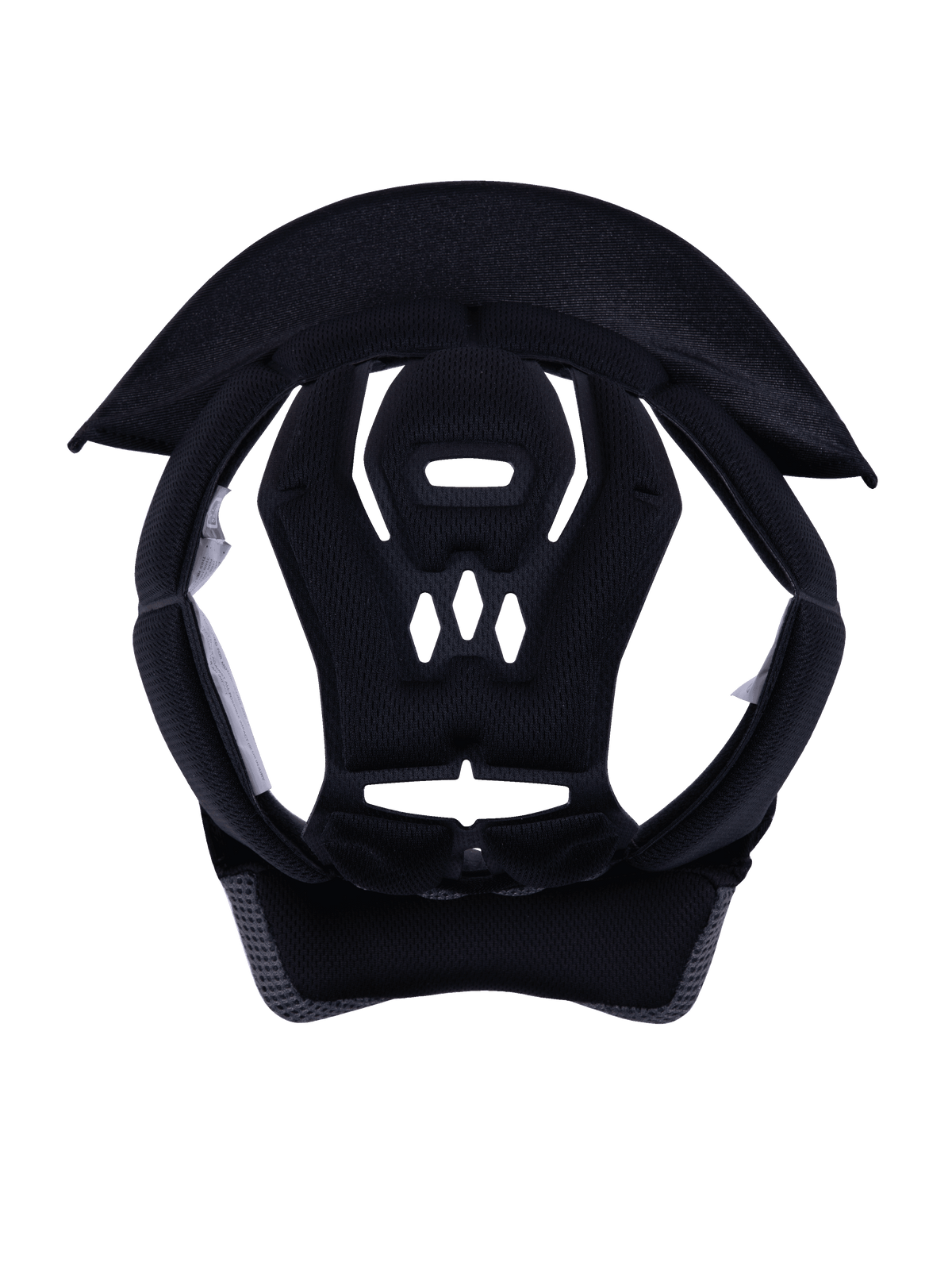
S-M3 Youth Crown Pad -
S-M3 Youth Chin Vent -
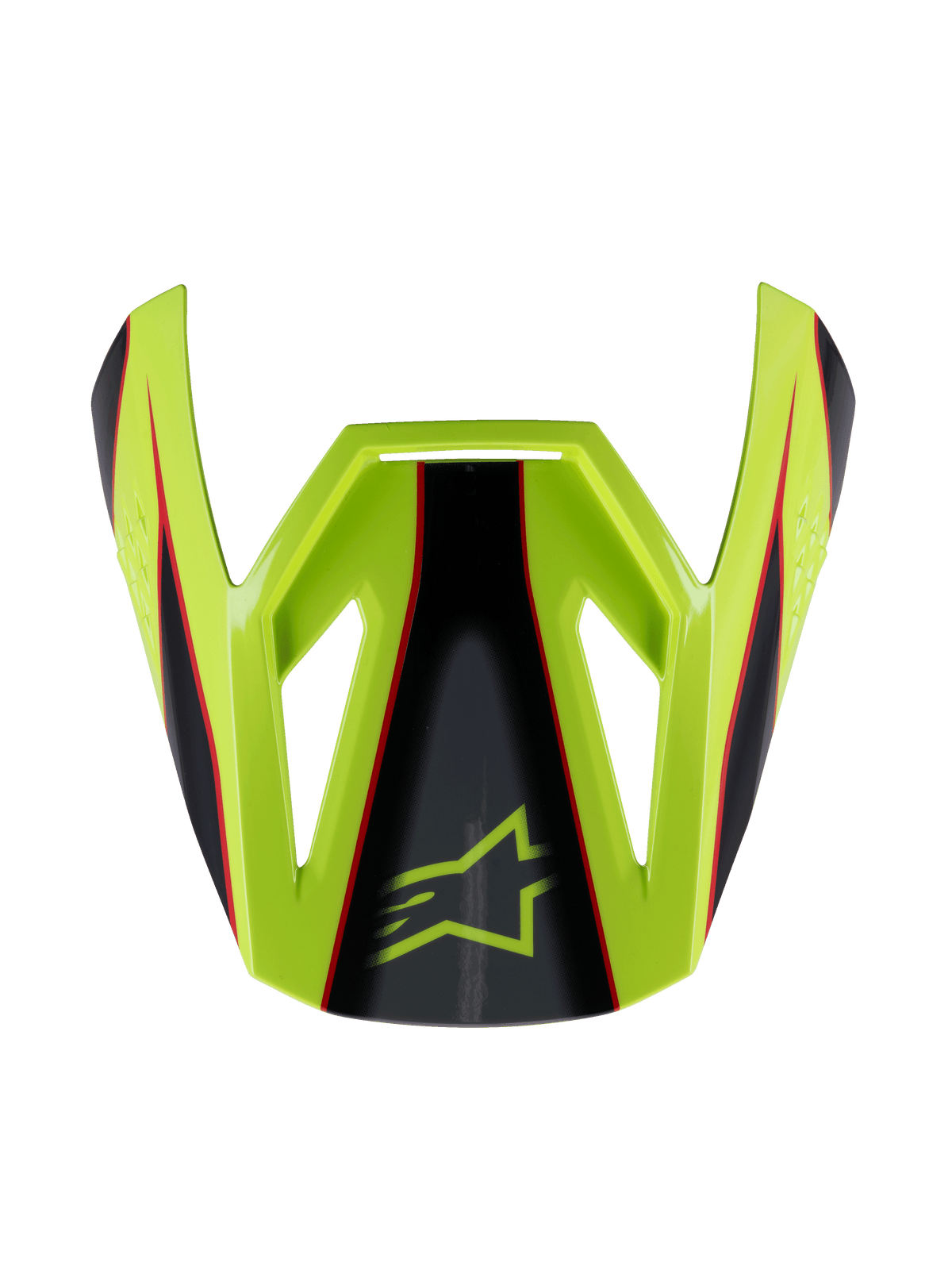
S-M3 Youth Wurx Visor -
S-M3 Youth Fray Visor -
S-M3 Youth Wurx Visor -
S-M3 Youth Visor Connection Set -
2026 Youth Radar Gloves -
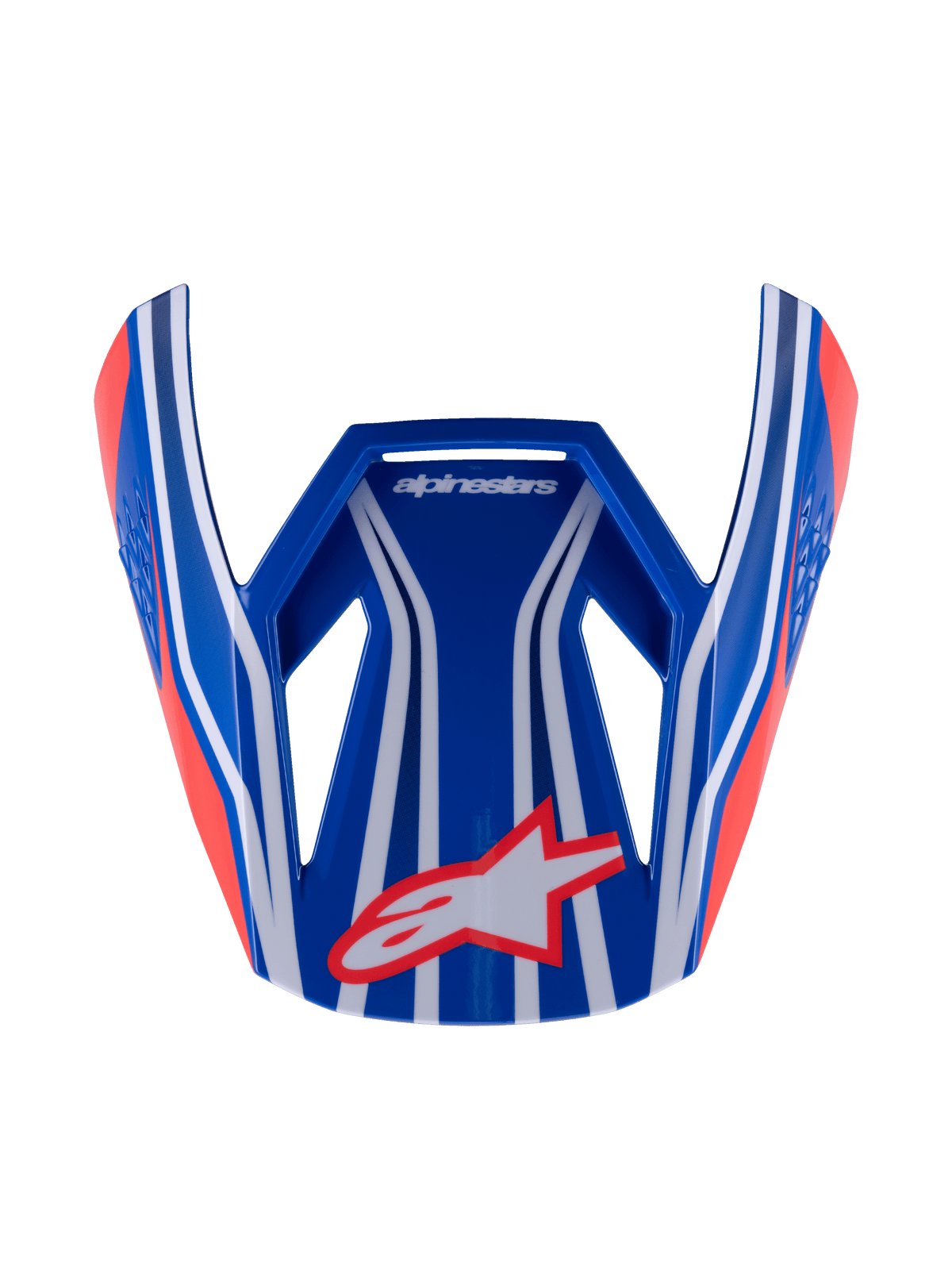
S-M3 Youth Solid Visor -
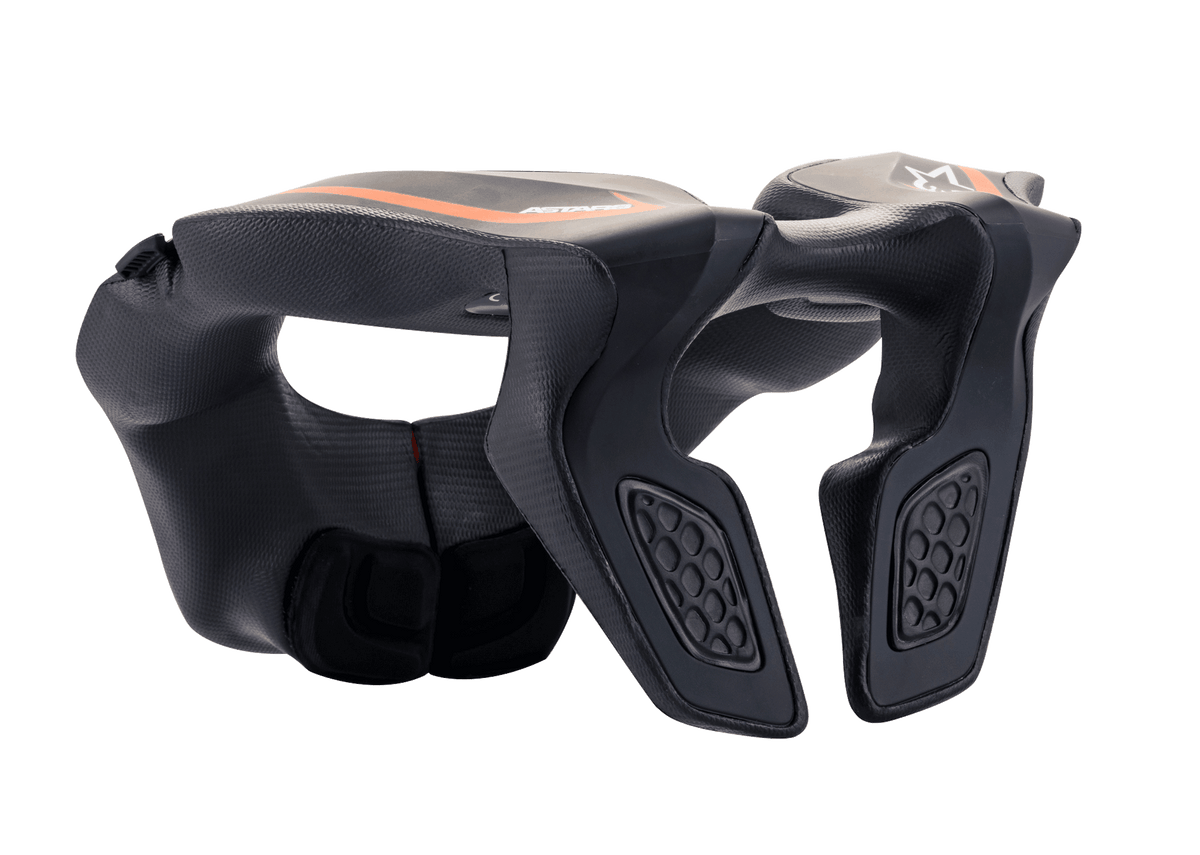
Youth Neck Support -
Youth MX Plus Socks -
Youth MX Plus Socks -
Youth MX Plus Socks -
Youth MX Plus Socks


























Frequently asked questions Hide FAQs
What age range is youth motocross gear designed for?
Youth motocross gear is typically designed for riders aged 4 to 16 years, with sizing that accommodates growing bodies. The collection includes multiple size ranges to ensure proper fit and protection as young riders develop their skills. Proper sizing is critical for both safety and comfort—gear that's too large can shift during riding, while gear that's too small won't provide adequate protection coverage.
What protection features are included in youth motocross gear?
Youth motocross gear includes CE-certified armor in critical impact zones such as shoulders, elbows, back, chest, and knees. Helmets meet DOT and ECE safety standards, while boots feature reinforced ankle support, shin plates, and toe boxes. The protection is specifically scaled for younger riders' anatomy while maintaining the same safety standards as adult gear. Many items also include adjustable armor pockets to accommodate growth and ensure proper positioning of protective elements.
How should youth motocross gear fit compared to adult gear?
Youth motocross gear should fit snugly but allow full range of motion for riding. Unlike adult gear, youth sizing accounts for rapid growth, so some items include adjustable features like waist straps, Velcro closures, and removable liners. Boots should have minimal heel lift when walking, jerseys should extend past the waistband when seated on the bike, and pants should overlap with boot tops. Helmets must fit securely without pressure points—there should be no front-to-back or side-to-side movement when the head is shaken.
Can youth motocross gear be used for other riding disciplines?
Youth motocross gear is optimized for off-road riding but can be suitable for other disciplines depending on the specific activity. MX boots and helmets are designed for dirt bike riding and may not be appropriate for street use. However, many protective items like chest protectors, knee guards, and gloves can be used across multiple off-road disciplines including enduro, trail riding, and even mountain biking. For street or road riding, dedicated youth road gear is recommended for proper protection and legal compliance.
How do I care for and maintain youth motocross gear?
Proper care extends the life of youth motocross gear and maintains its protective properties. Helmets should be cleaned with mild soap and water, avoiding harsh chemicals that can degrade the shell and liner. Boots can be wiped down after each ride and allowed to air dry away from direct heat. Jerseys and pants are machine washable in cold water on gentle cycle—remove all armor before washing and avoid fabric softeners which can reduce moisture-wicking performance. Inspect armor and protective elements regularly for cracks or damage, and replace any compromised components immediately to ensure continued safety.