
17 results
-
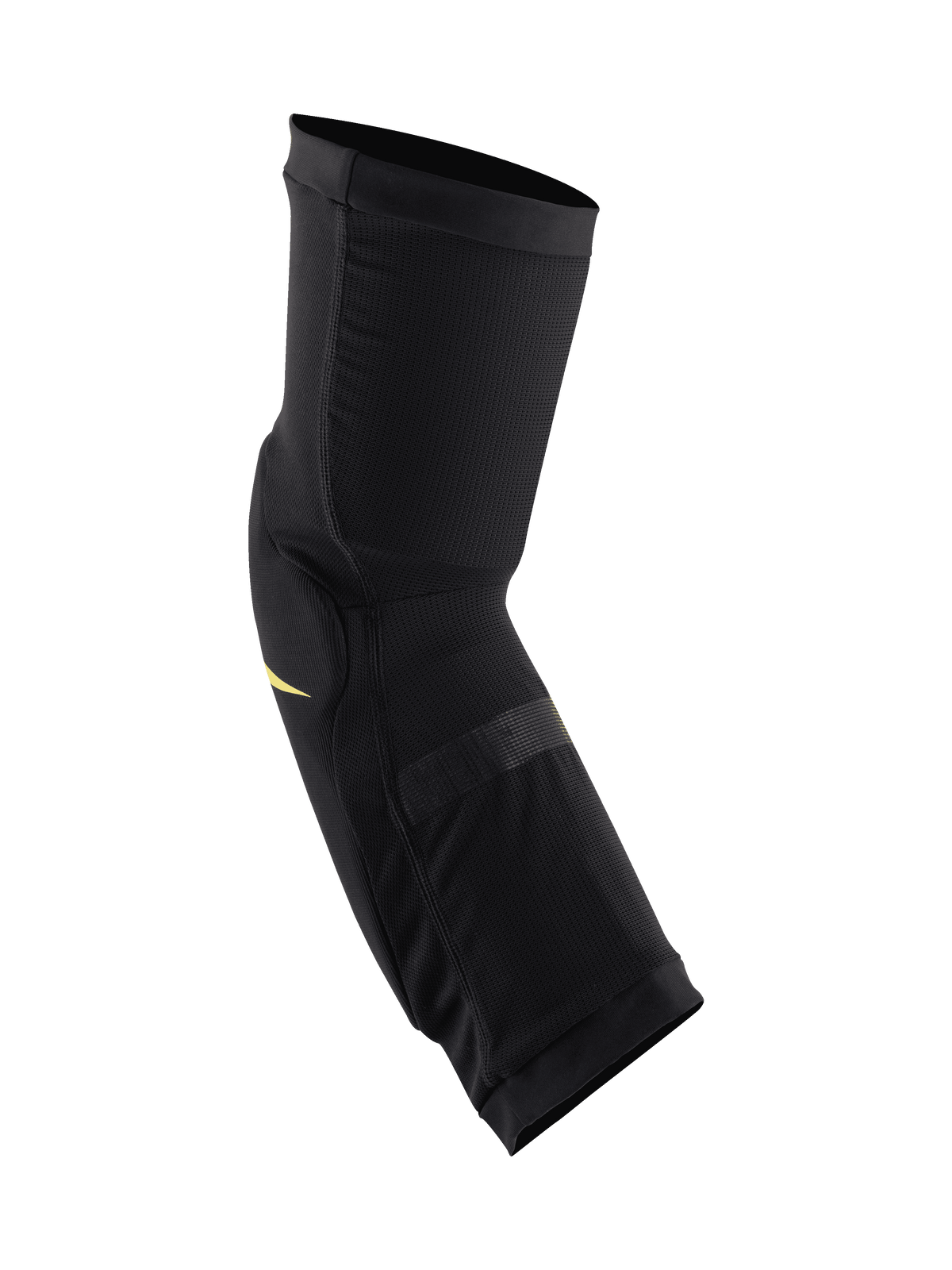
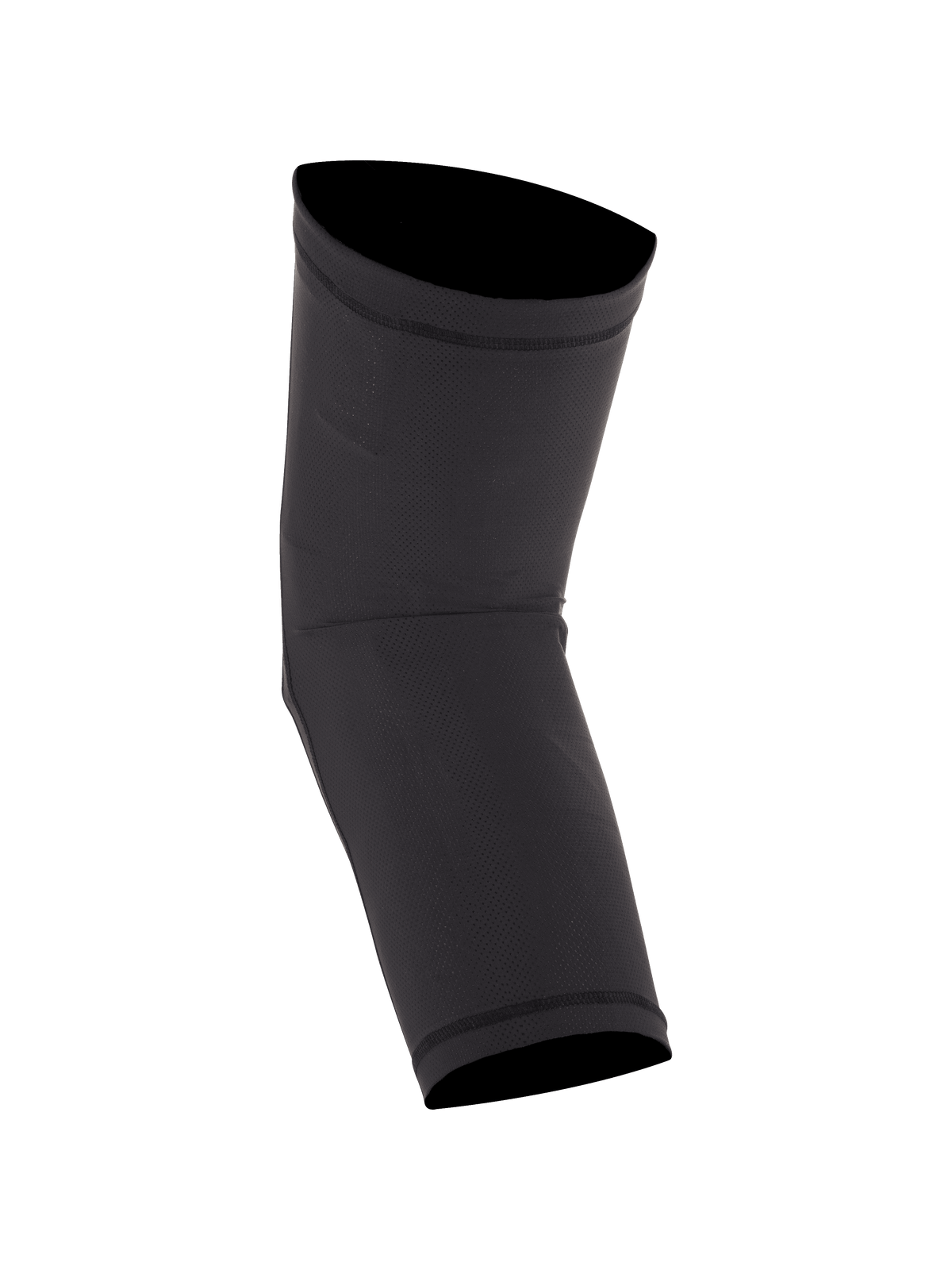
A-Motion Plasma Knee Sleeve -
Bioflex Knee Protection -
Aria Knee Protector -
A-Motion Plasma Pro Knee Protectors -
A-Impact Plasma Pro Knee Shin Protectors -
A-Impact Plasma Pro Knee Protectors -
A-Impact Plasma Elite Knee Protectors -
A-Impact Plasma Elite Shield Knee Protectors -
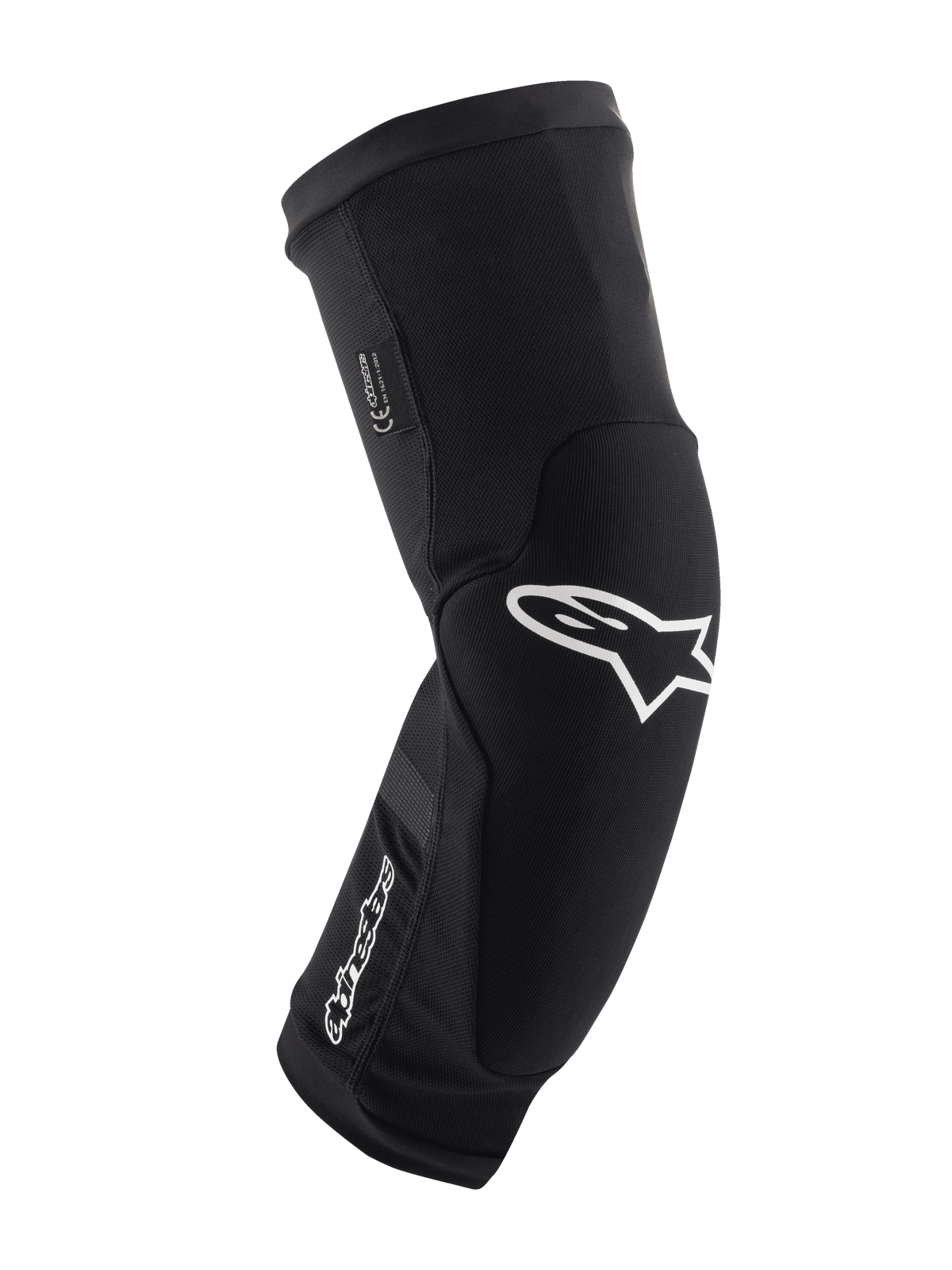
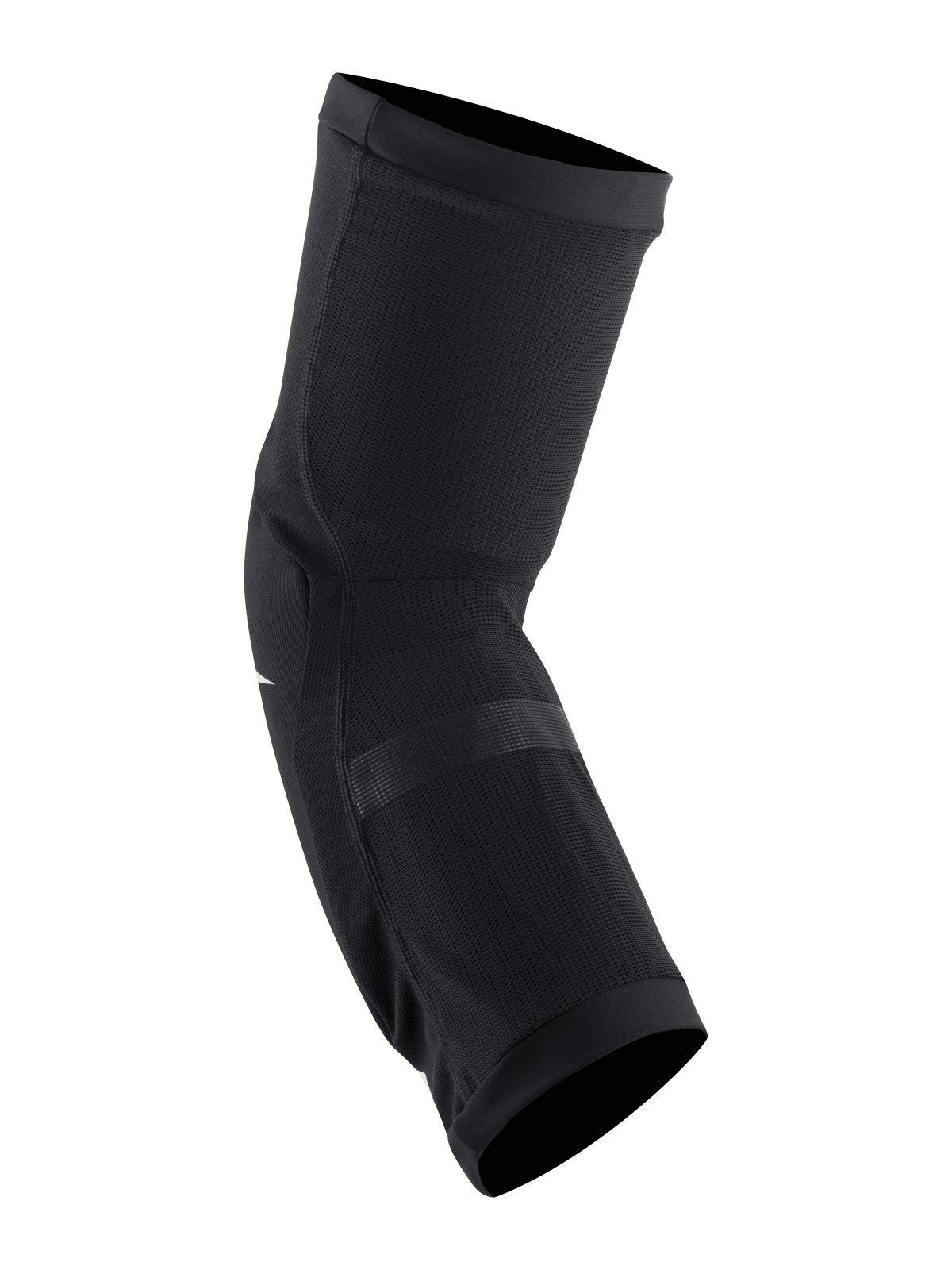
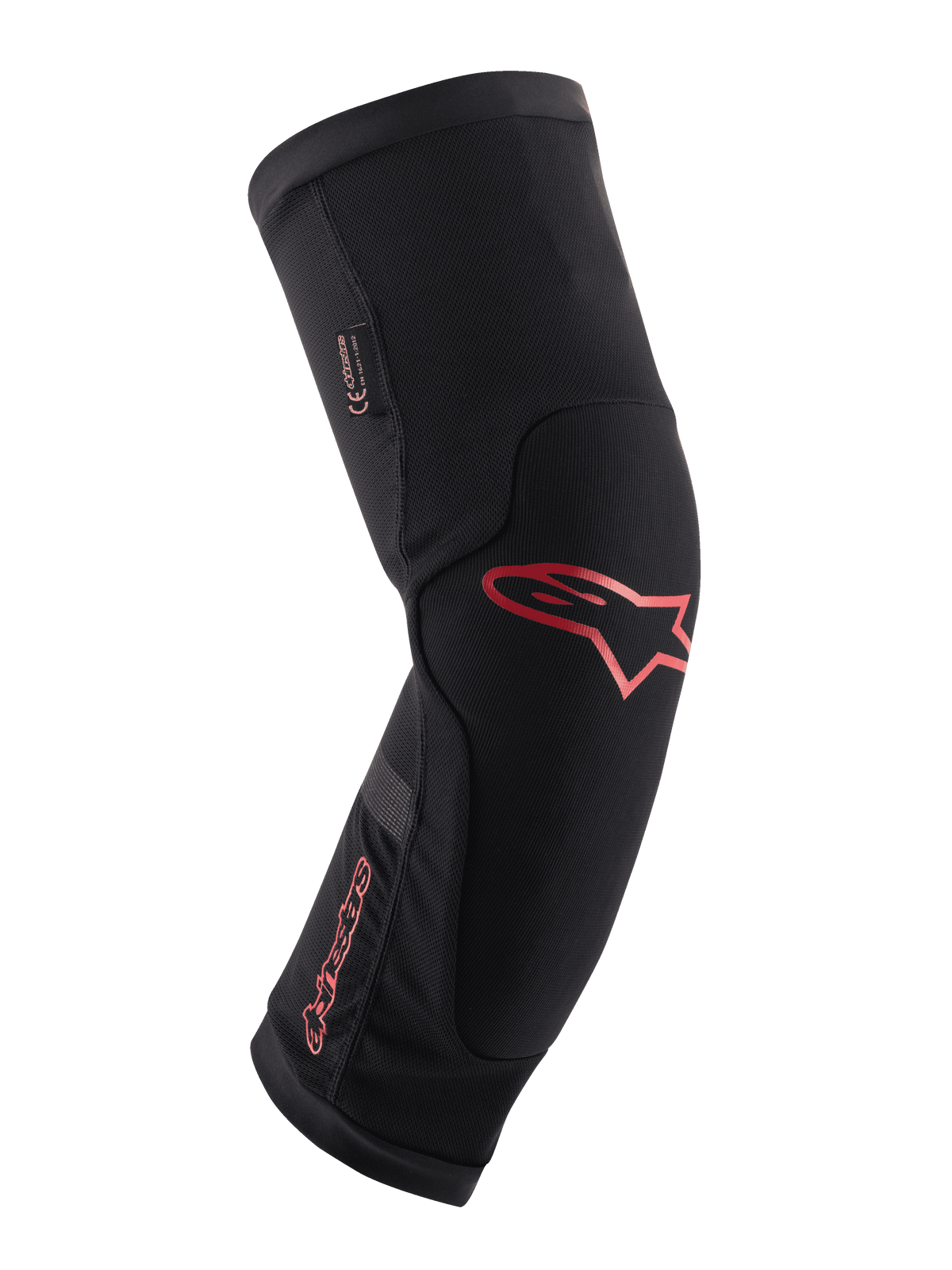
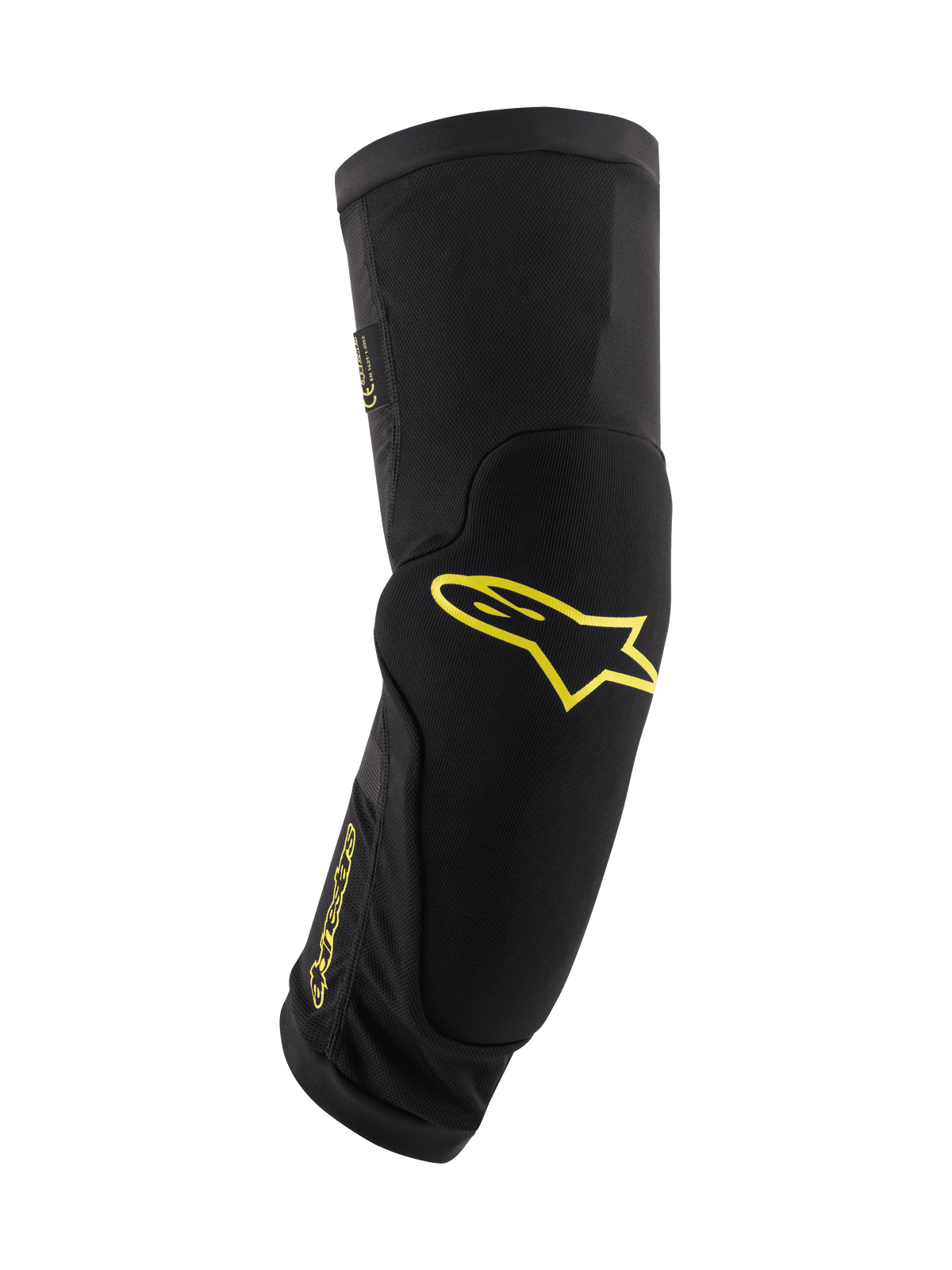
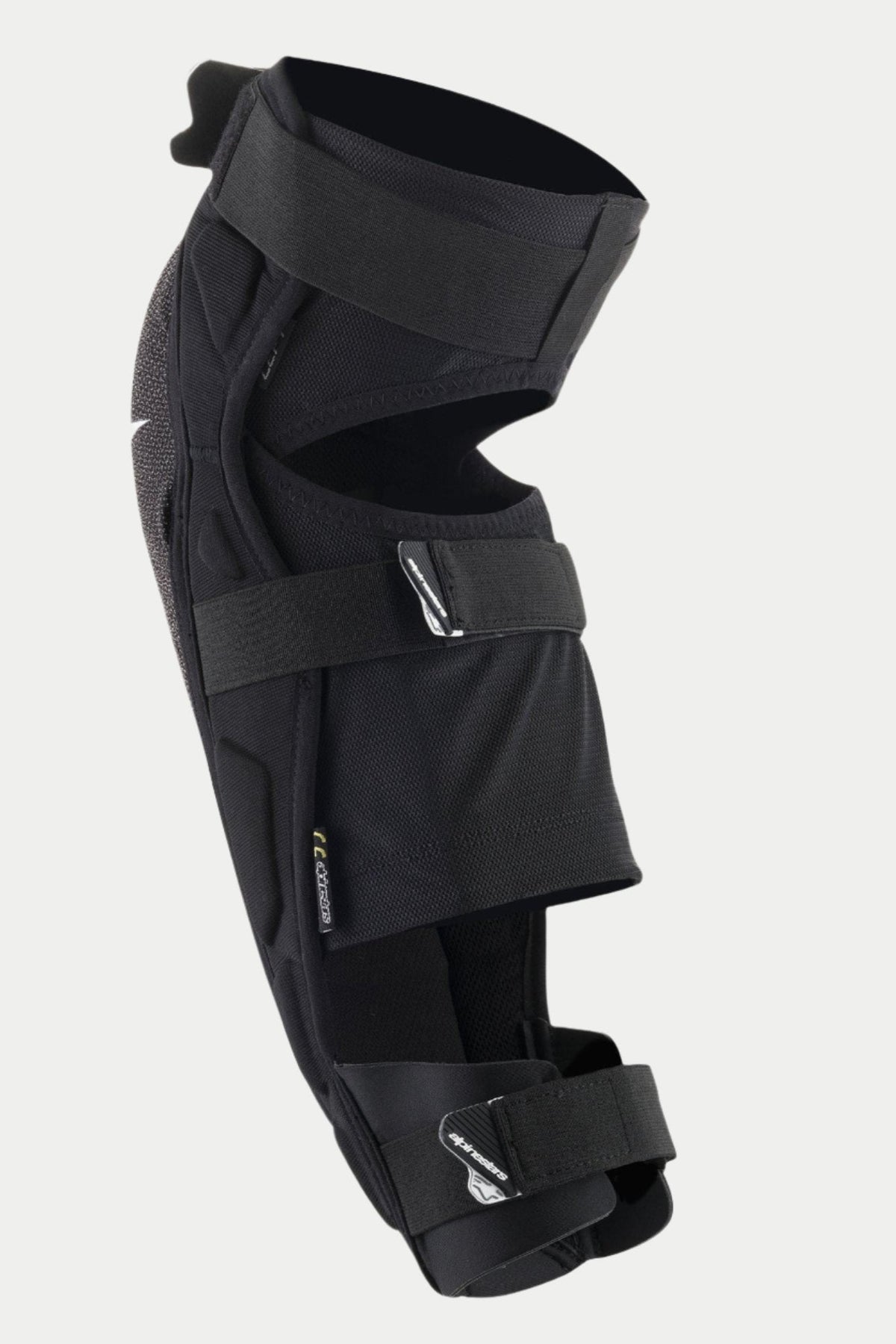
Paragon Plus Knee/Shin Protectors -
Paragon Plus Knee Protectors -
Paragon Plus Knee Protectors -
Paragon Plus Knee Protectors -
Paragon Plus Knee Protectors -
Vector Pro Knee/Shin Protectors -
Youth Paragon Lite Knee Protector -
Paragon Lite Knee Protector -
Bionic Plus Knee/Shin Protectors






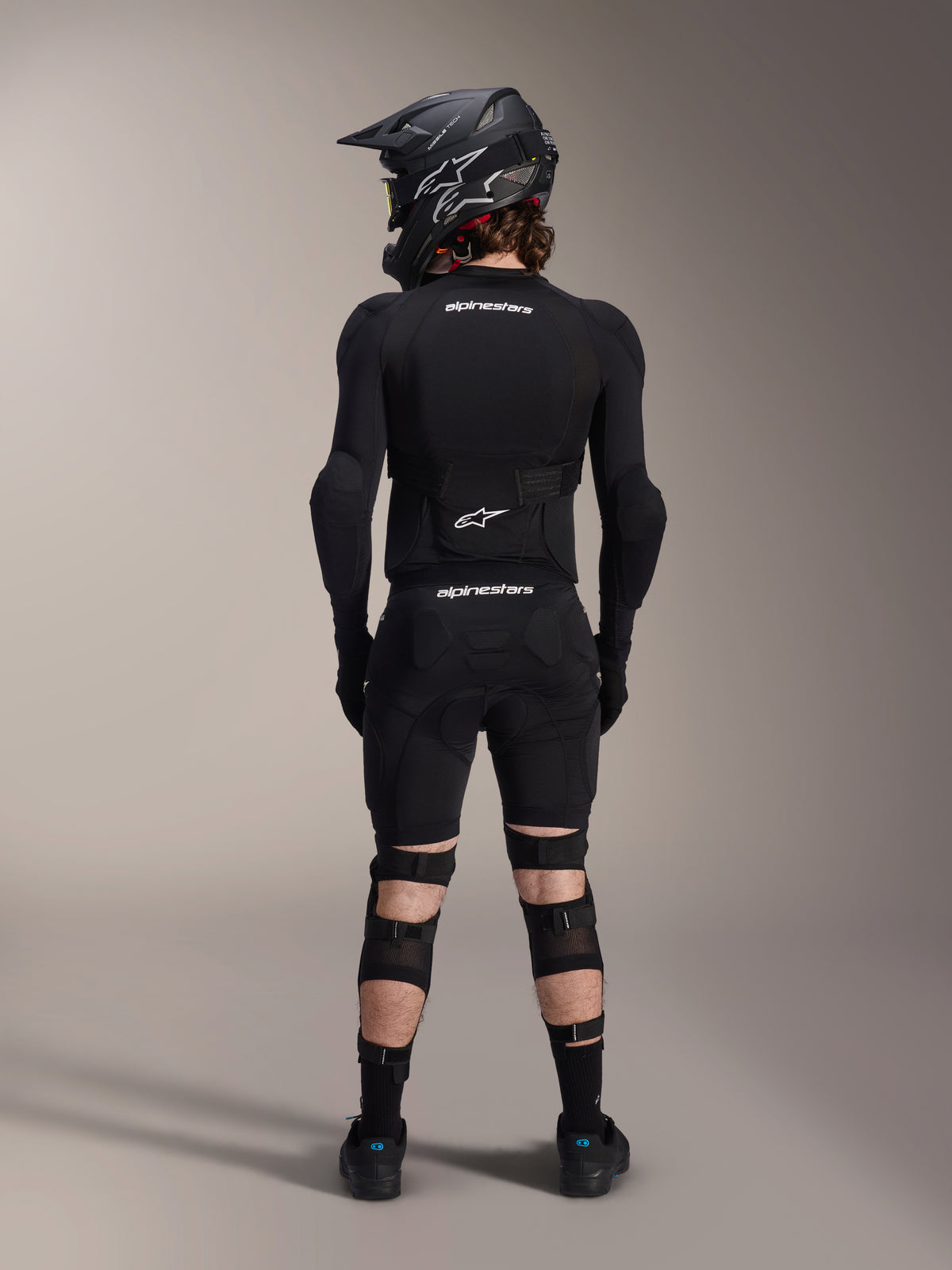
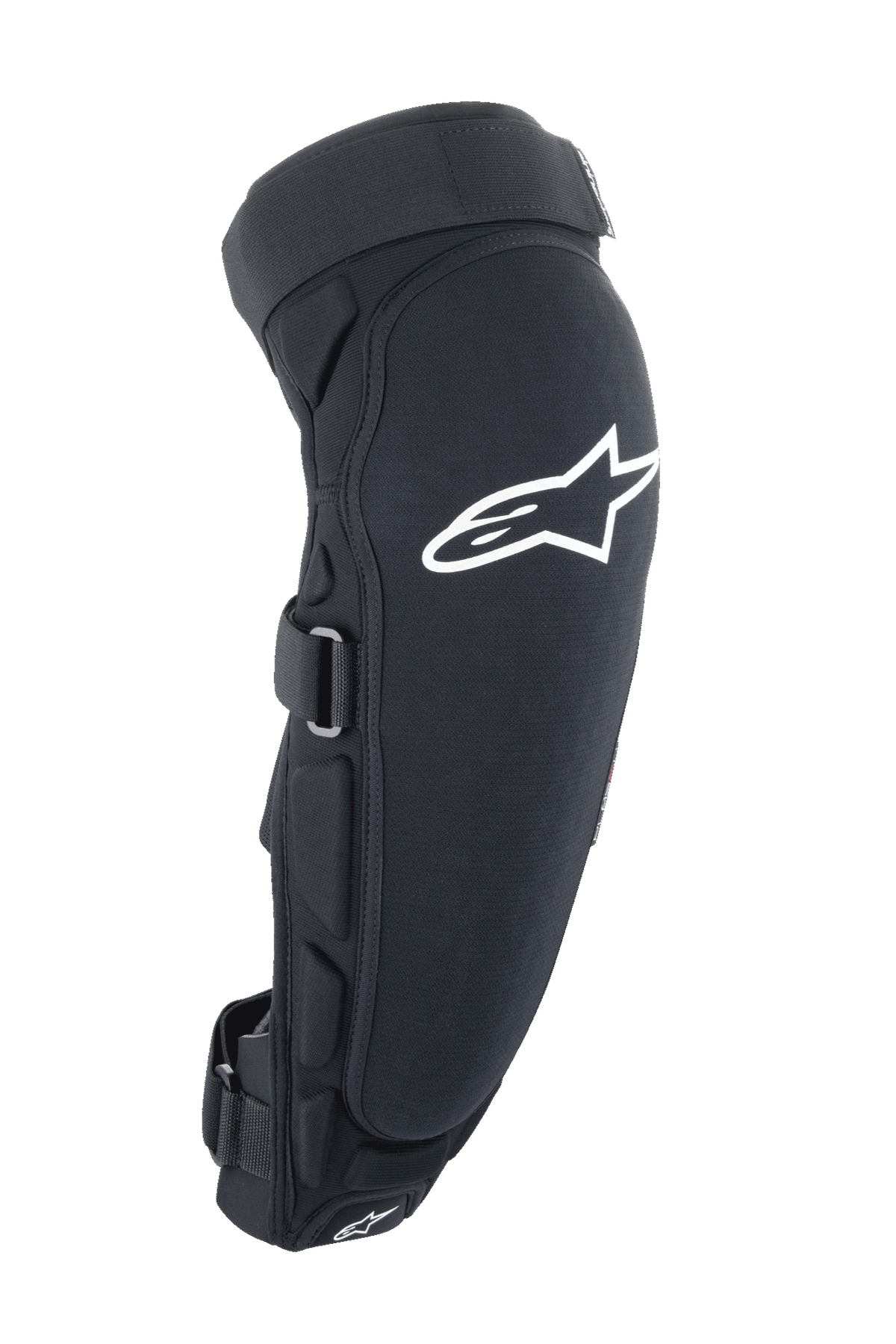

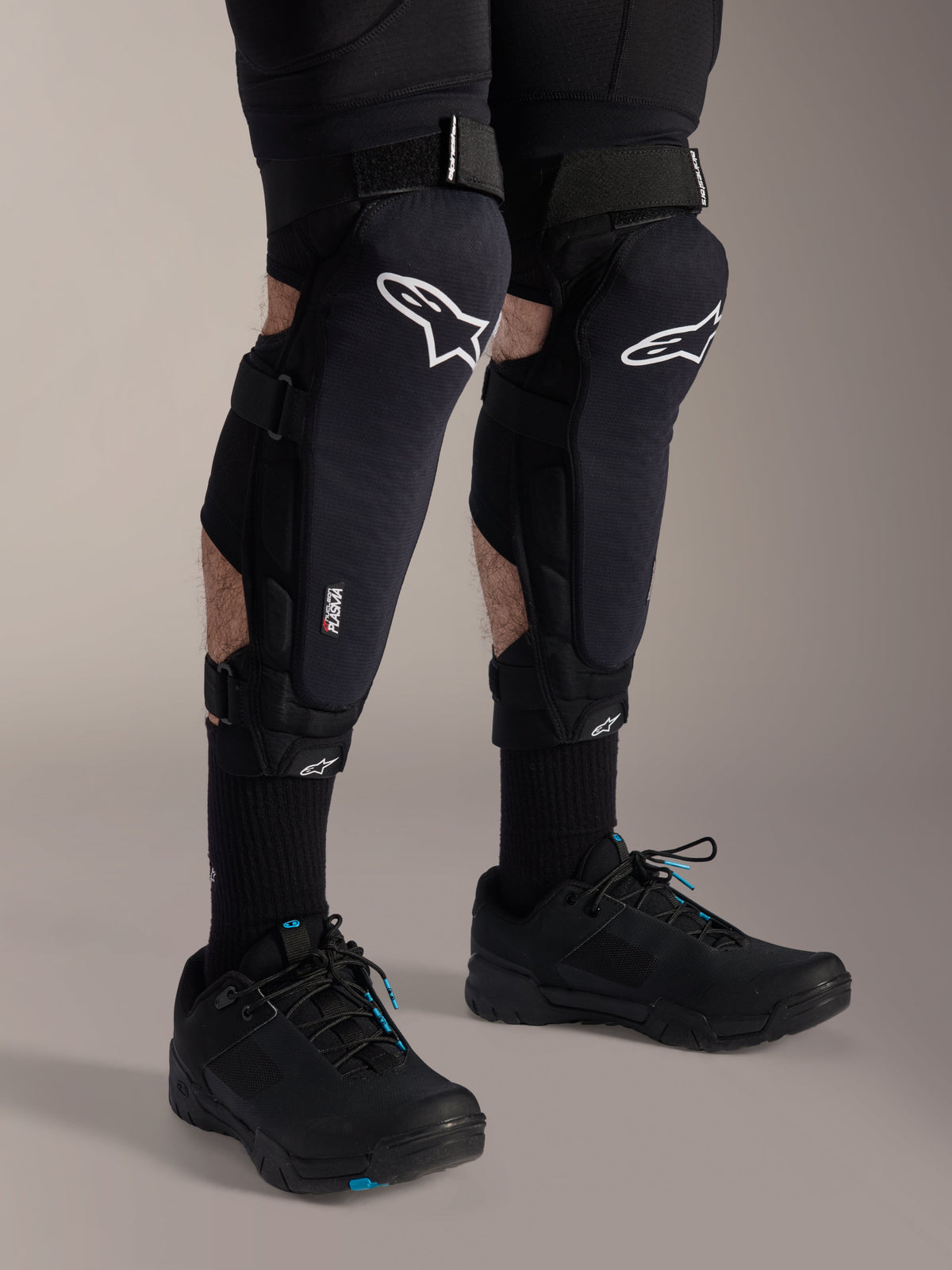
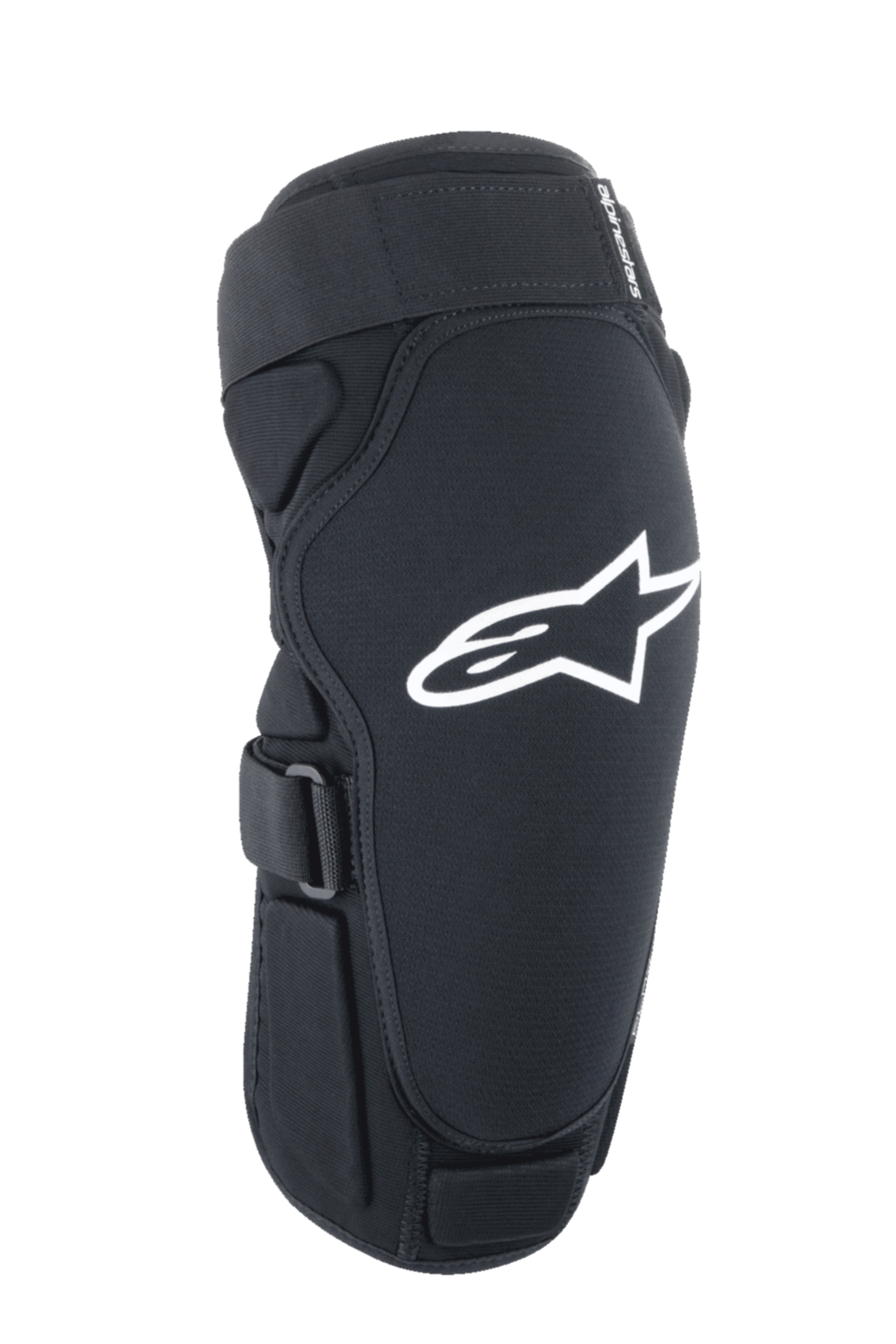

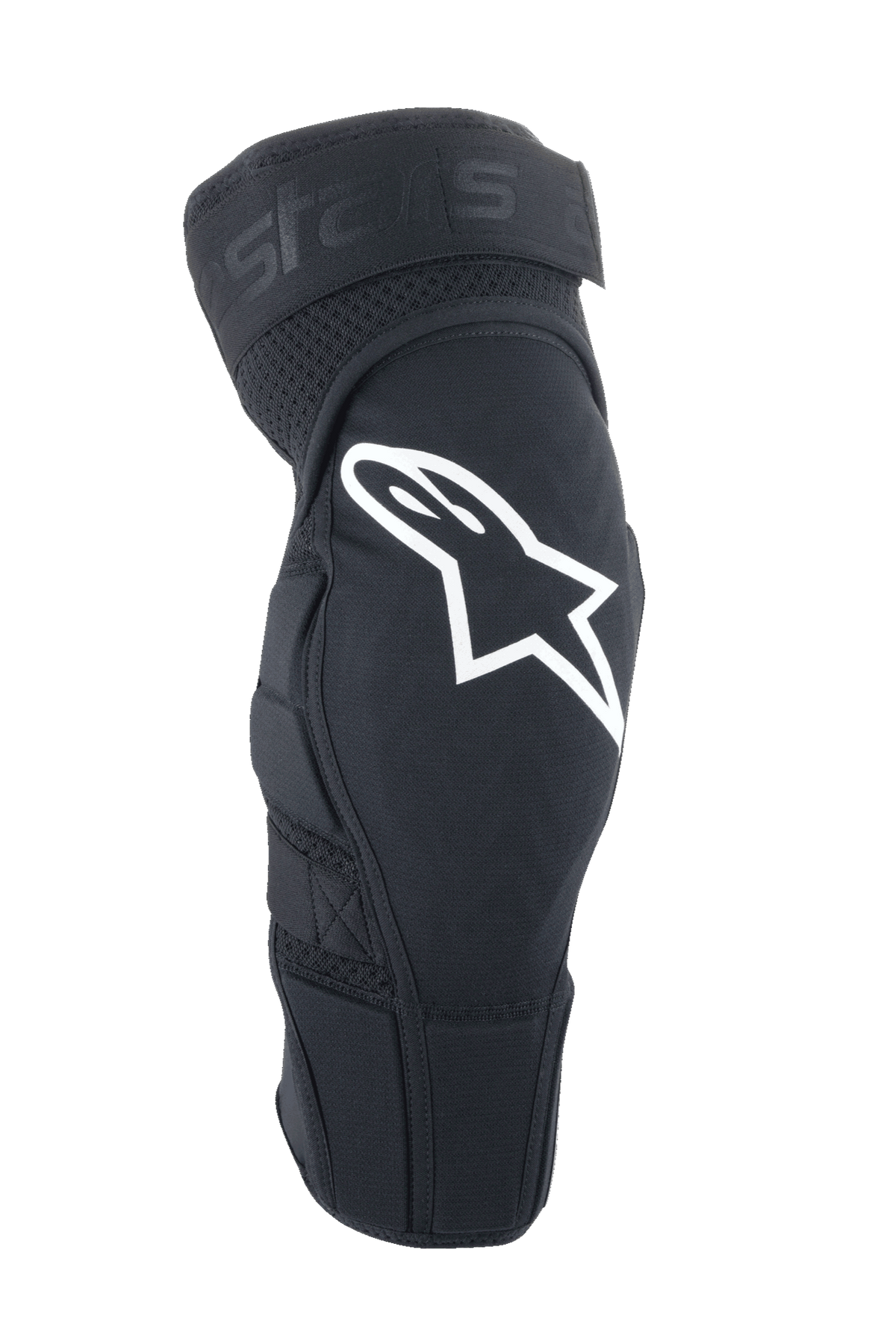
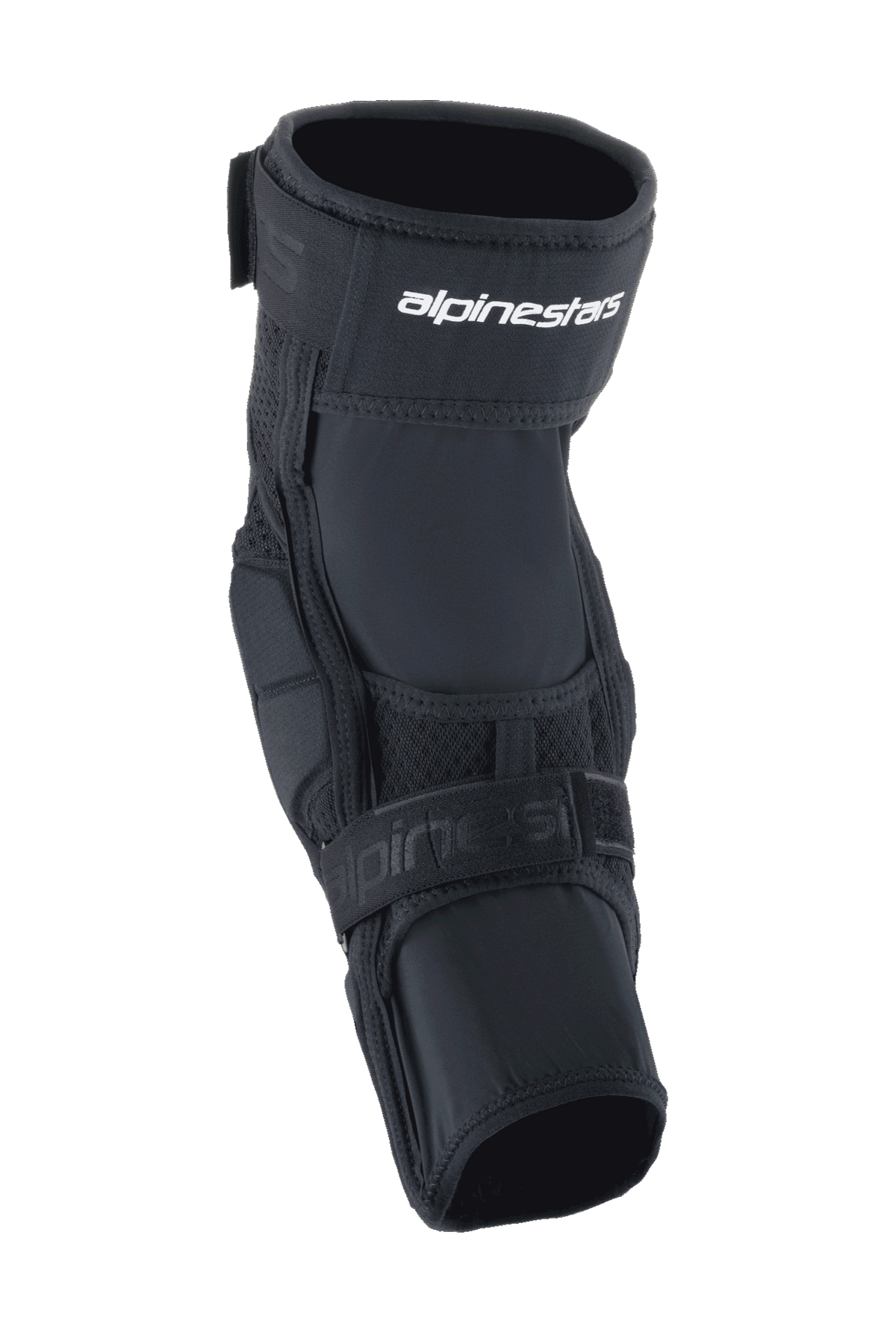


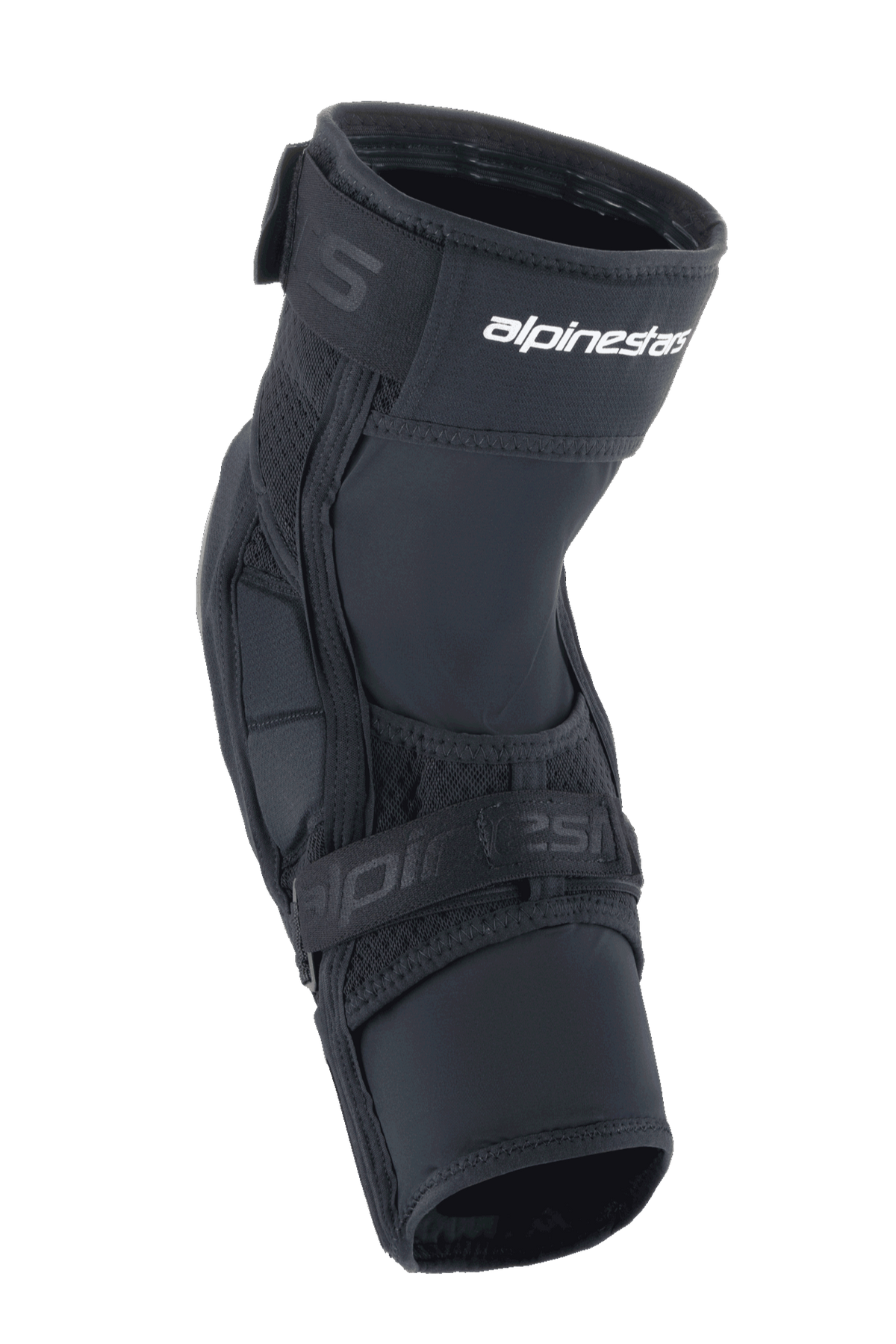


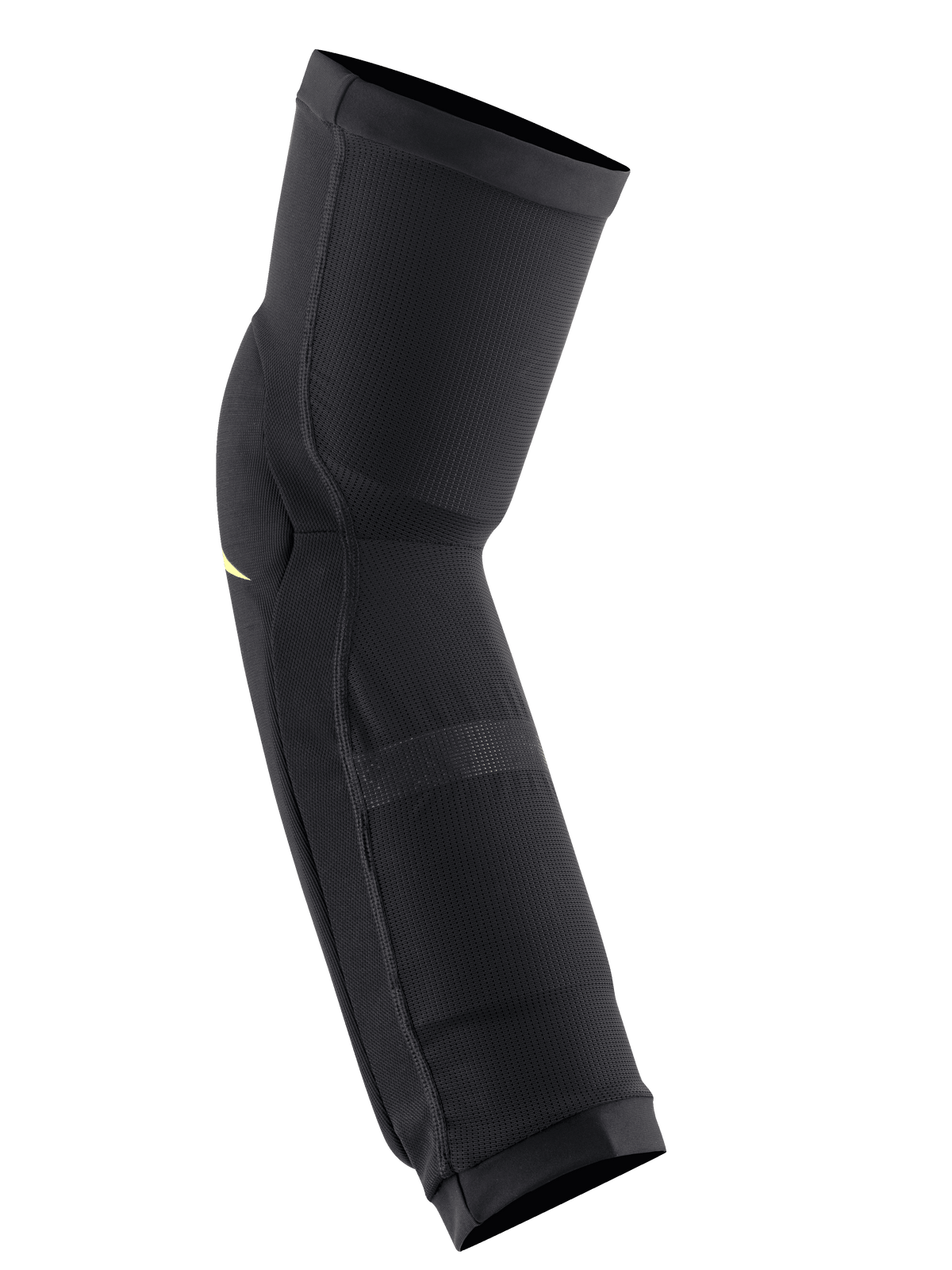










17 of 17 products
All products loaded
Frequently asked questions Hide FAQs
What are MTB knee protections used for?
MTB knee protections are designed to reduce impact and abrasion in crashes, slides, and pedal strikes while maintaining the flexibility needed for mountain biking. This collection is intended for riders who want targeted knee coverage for trail, all-mountain, enduro, and gravity-focused riding.
Compared with general sports pads, mountain bike knee protectors are built around pedaling comfort, secure retention, breathability, and low bulk under riding shorts or pants. The right option depends on how much coverage, ventilation, and impact protection you need for your terrain and riding style.
How should MTB knee pads fit?
MTB knee pads should fit close and stable without cutting off circulation. A correct fit stays centered over the knee through pedaling, descending, and standing efforts, with no twisting, slipping, or bunching behind the knee.
If you are between sizes, compare your measurements with the size guidance on the product page and think about how you ride. Riders prioritizing long climbs and lighter layering often prefer the closest comfortable fit, while those wearing thicker liners or seeking more coverage may prefer the larger option if retention remains secure.
Are MTB knee protections CE certified, and what is the difference between Level 1 and Level 2?
Many MTB knee protectors are tested to EN 1621-1, the European standard used for limb impact protection. This certification helps riders compare protection on a consistent basis rather than relying only on material claims or pad thickness.
In general, Level 1 prioritizes lighter weight, flexibility, and pedal comfort, while Level 2 is tested to a higher impact-protection threshold and is often chosen for faster, rougher, or more aggressive riding. Certification and level can vary across the collection, so it is best to check the product page for the exact EN 1621-1 marking.
Which MTB knee protection is best for trail, enduro, or downhill riding?
The best choice depends on the balance you want between mobility and coverage. Lightweight sleeves are typically preferred for trail riding and long pedaling days, while more reinforced designs are better suited to enduro stages, bike-park laps, and downhill use where repeated impacts and abrasion risk are higher.
| Riding style | Typical protection focus | What riders usually prioritize |
|---|---|---|
| Trail | Low-bulk knee coverage | Breathability, pedal efficiency, comfort |
| Enduro / All-mountain | Balanced impact protection | Secure fit, coverage, mobility on mixed terrain |
| Downhill / Bike park | Higher coverage and stability | Impact absorption, abrasion resistance, retention |
If you want to compare with other off-bike and on-bike gear, you can also browse the wider MTB collection.
How do I wash and care for MTB knee pads?
Care depends on the construction, but the safest general approach is to remove any removable protective insert first, close straps if present, and wash with mild detergent in cold water on a gentle cycle or by hand. Avoid bleach, fabric softener, and high heat, as these can damage stretch fabrics, foams, and protective materials.
Always air-dry knee pads fully before storage or reuse. Do not tumble dry or place them on direct heat sources. Regular cleaning helps maintain fit, hygiene, and breathability, especially after hot-weather rides or repeated use in mud and dust.