
26 results
-
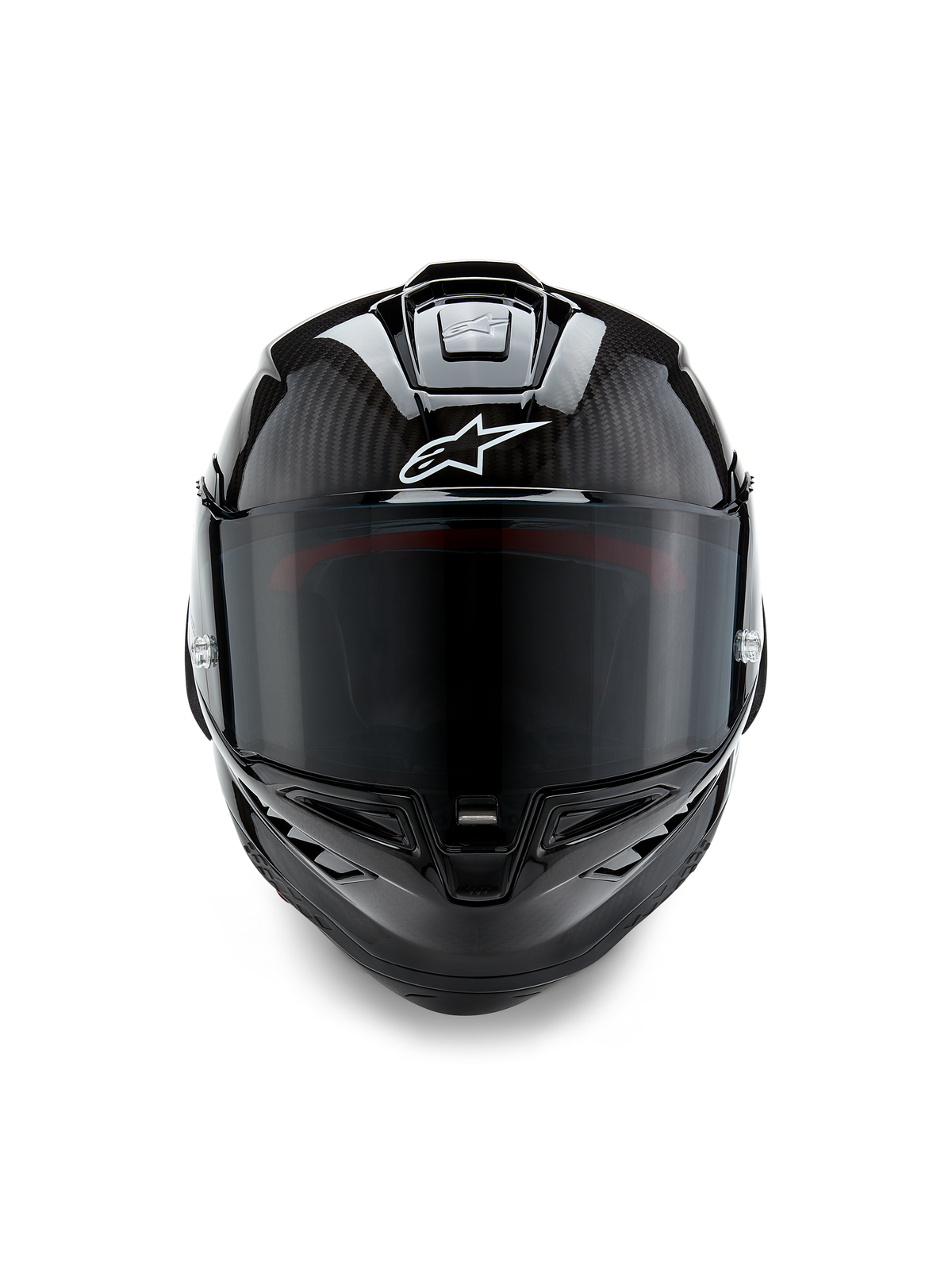
Supertech R10 Solid Helmet -
Supertech R10 Solid Helmet -
Supertech R10 Element Helmet -
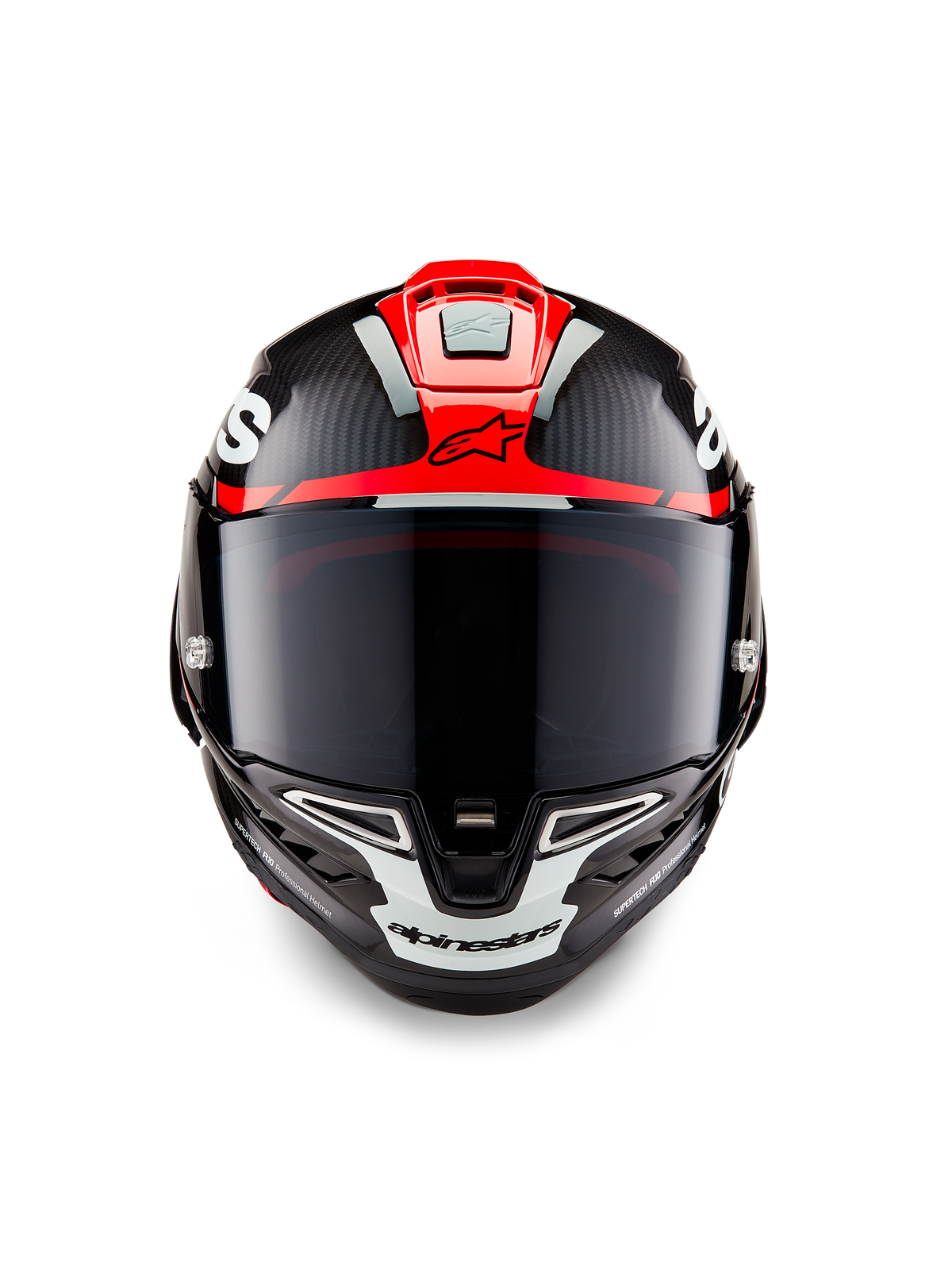
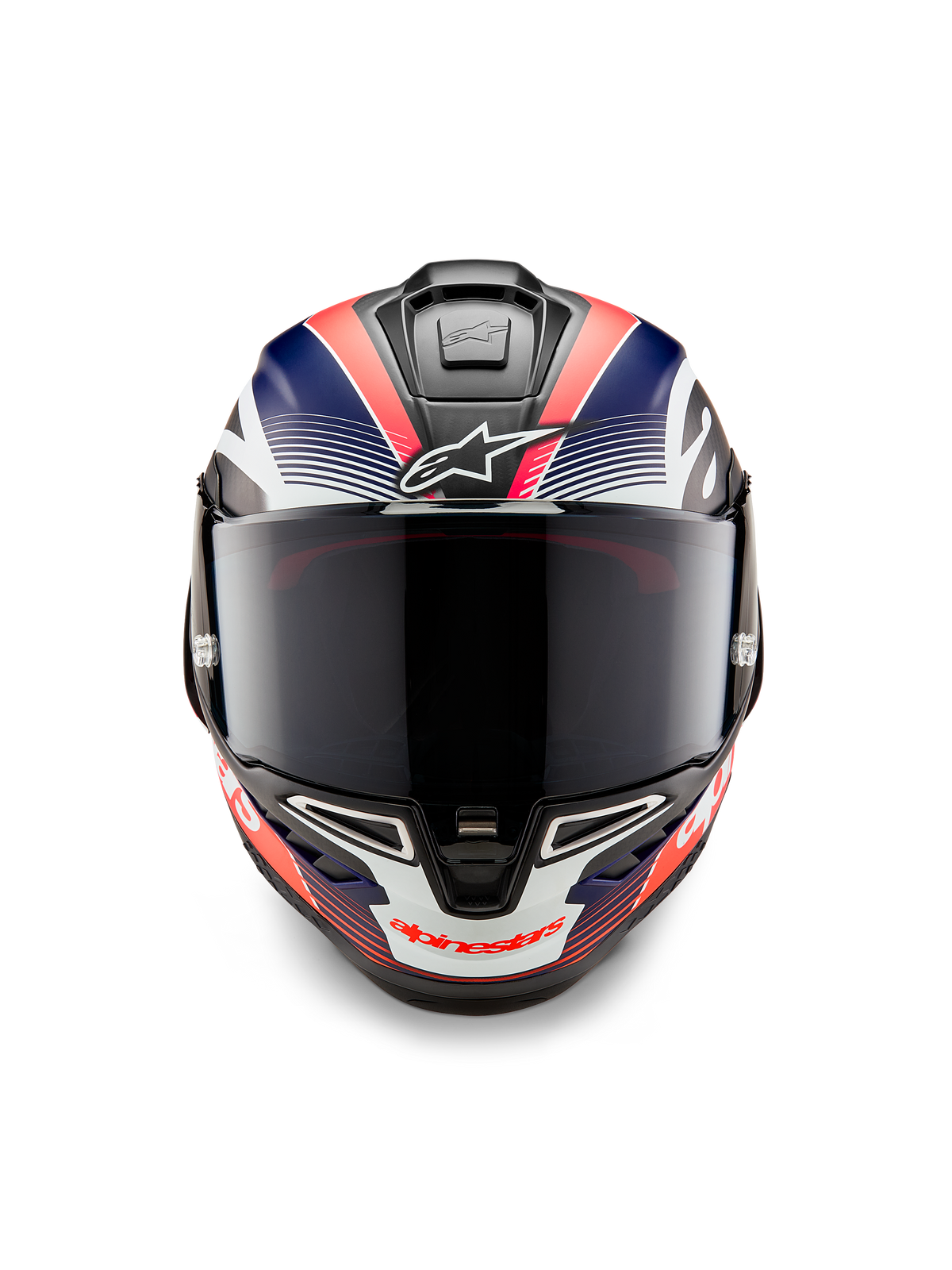
Supertech R10 Team Helmet -
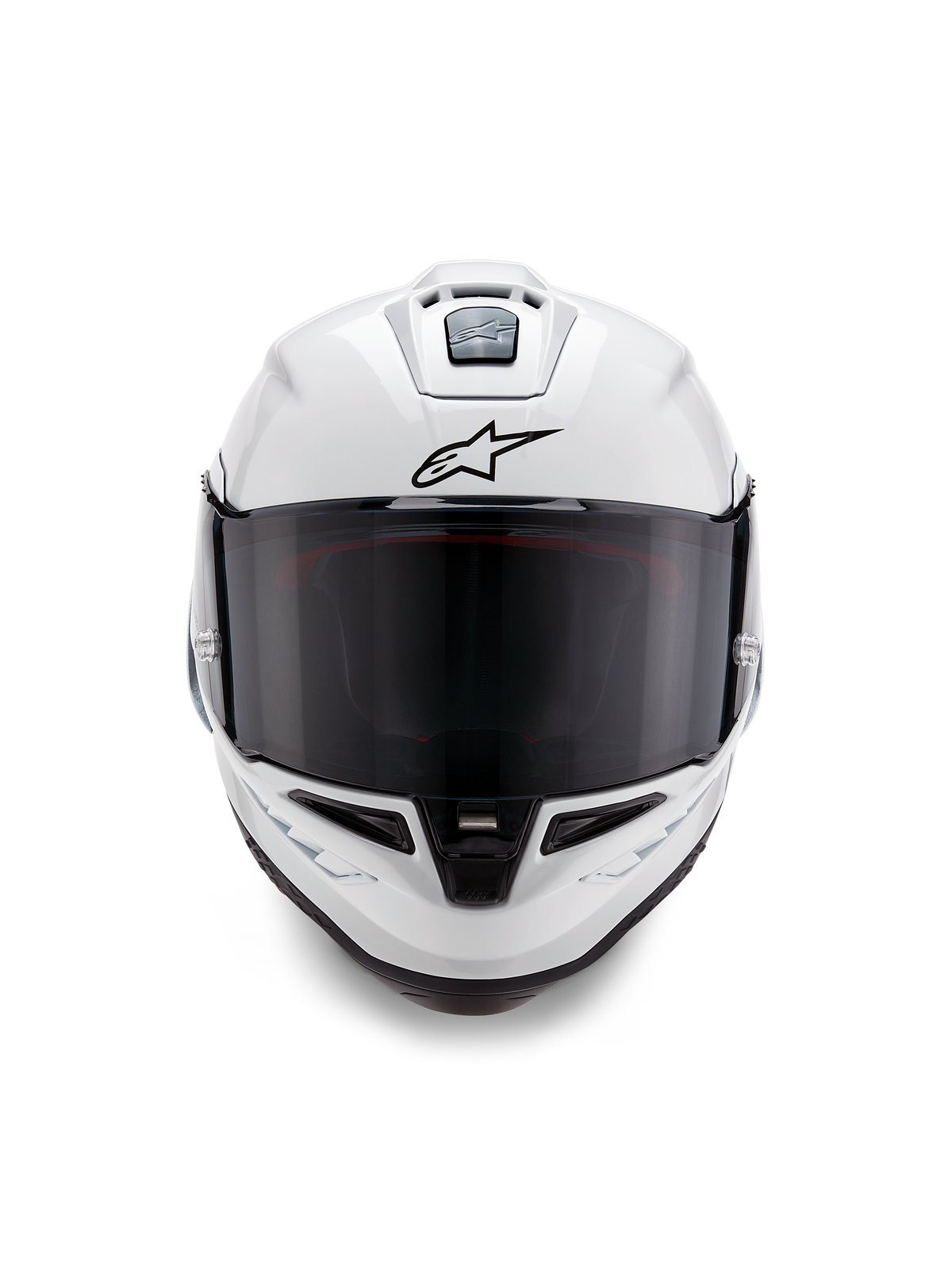
S-R7 Solid Helmet -
S-R7 Solid Helmet -
S-R7 Solid Helmet -
S-R7 Solid Helmet -
Supertech R10 Element Helmet -
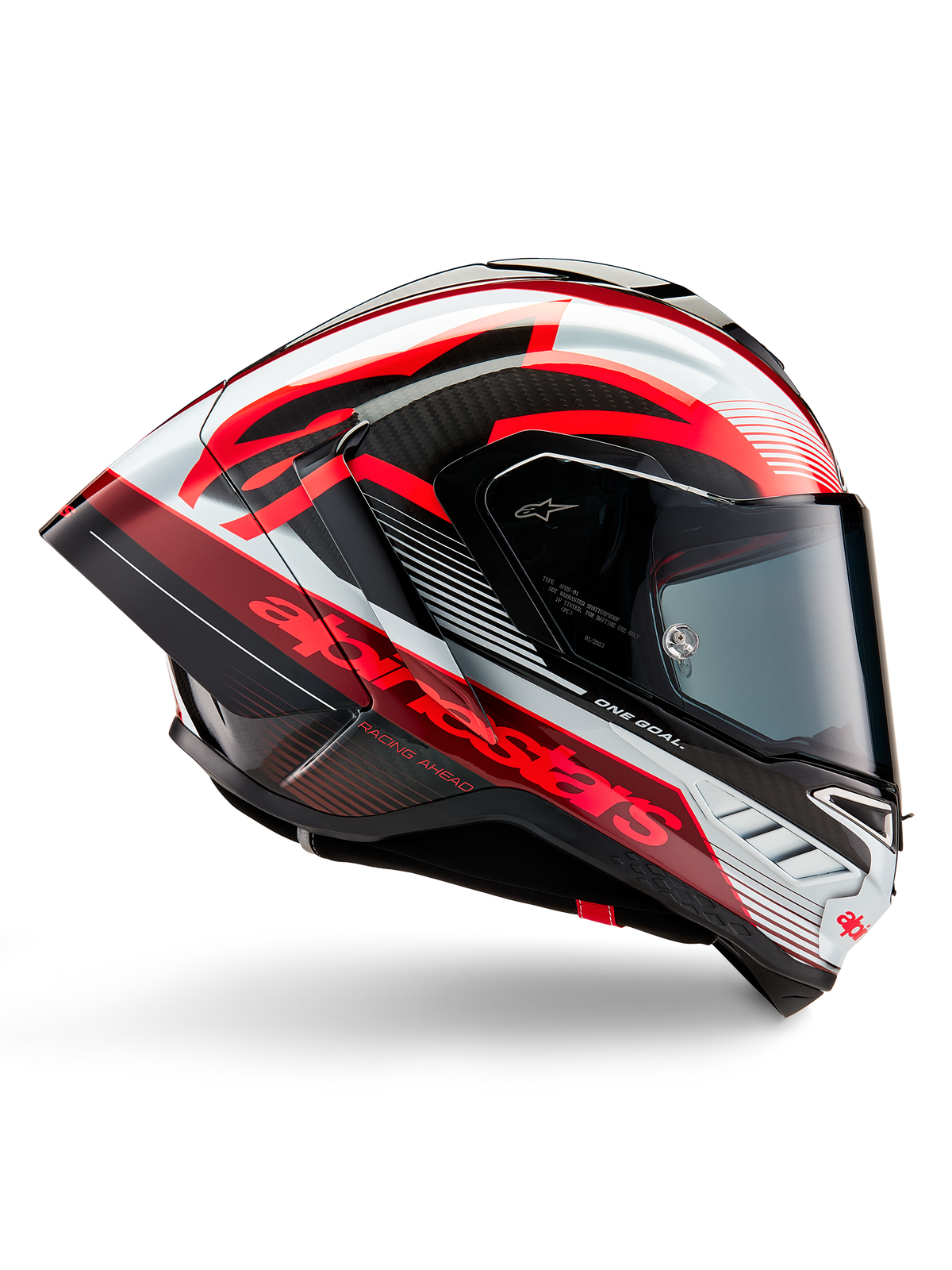
Supertech R10 Arius Helmet -
Supertech R10 Arius Helmet -
Supertech R10 Arius Helmet -
S-R7 A-Core Helmet -
S-R7 Zeal Helmet -
S-R7 Zeal Helmet -
S-R7 A-Core Helmet -
S-R7 A-Core Helmet -
S-R7 Kinetis Helmet -
S-R7 Kinetis Helmet -
S-R7 Lumen Helmet -
Supertech R10 Team Helmet -
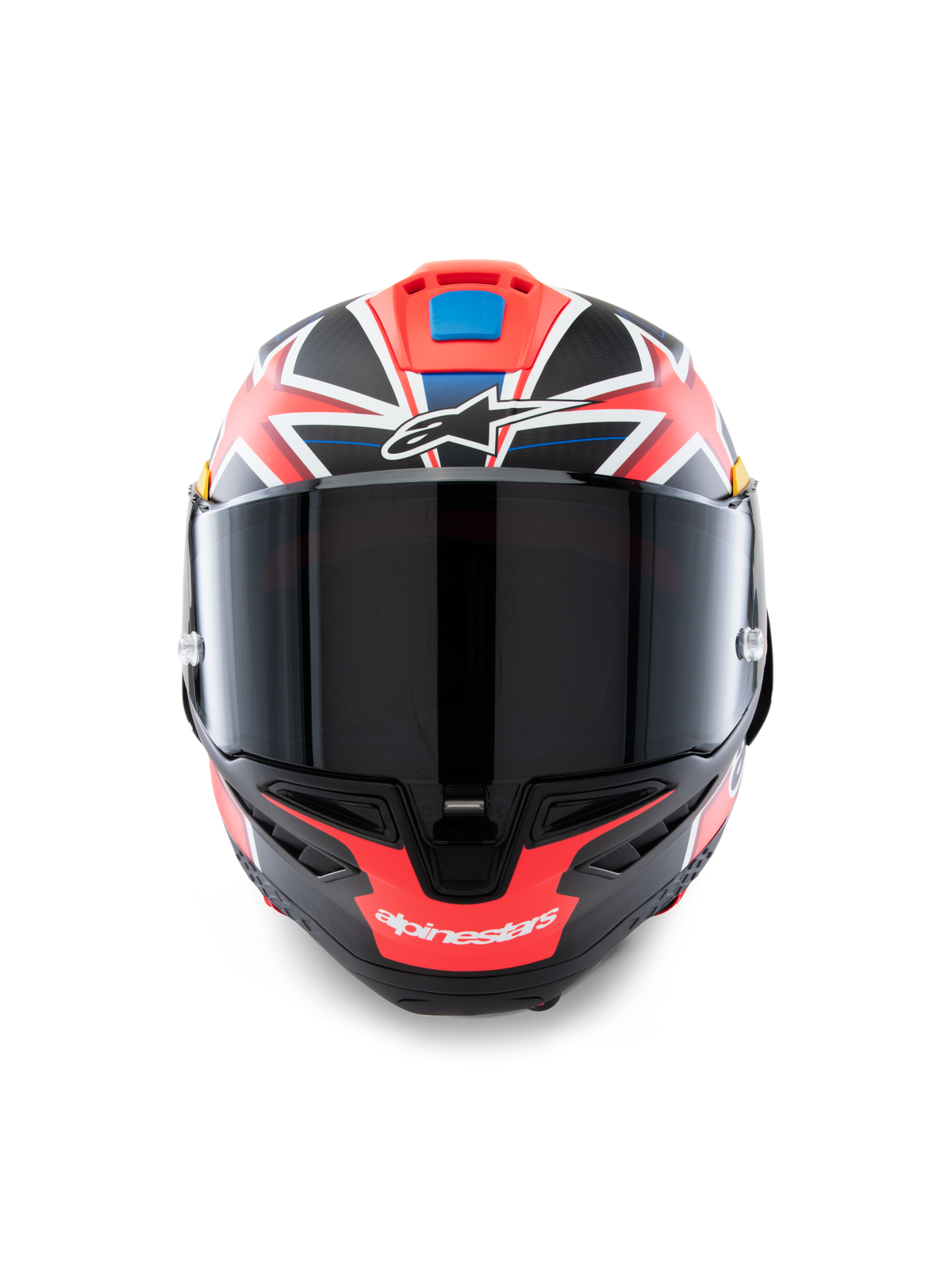
Supertech R10 Miller Limited Edition Helmet -
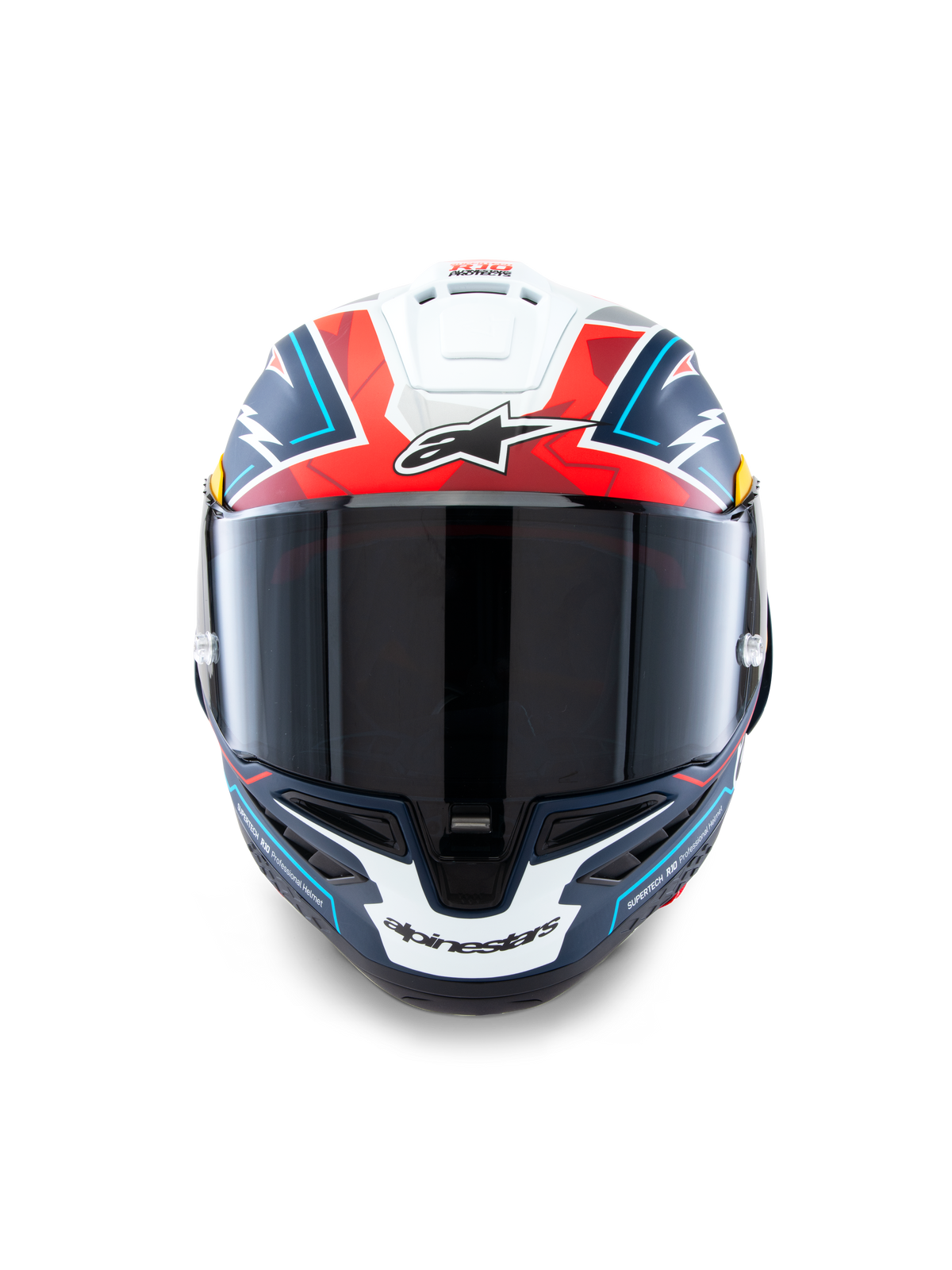
Supertech R10 Acosta Limited Edition Helmet -
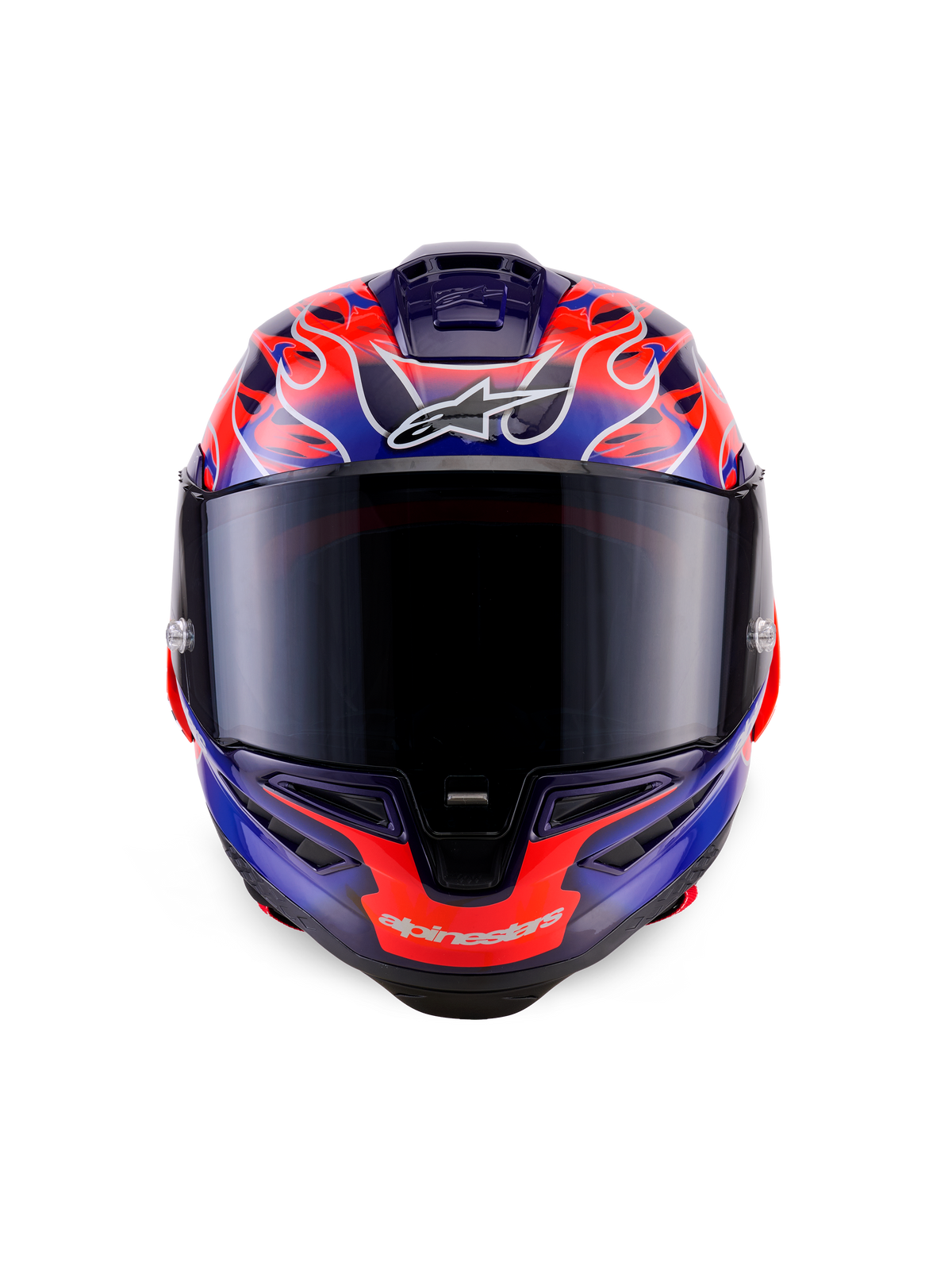
Supertech R10 Limited Edition Flyte Helmet -
S-R7 Lumen Helmet -
Limited Edition Supertech R10 Martinator Thai Helmet






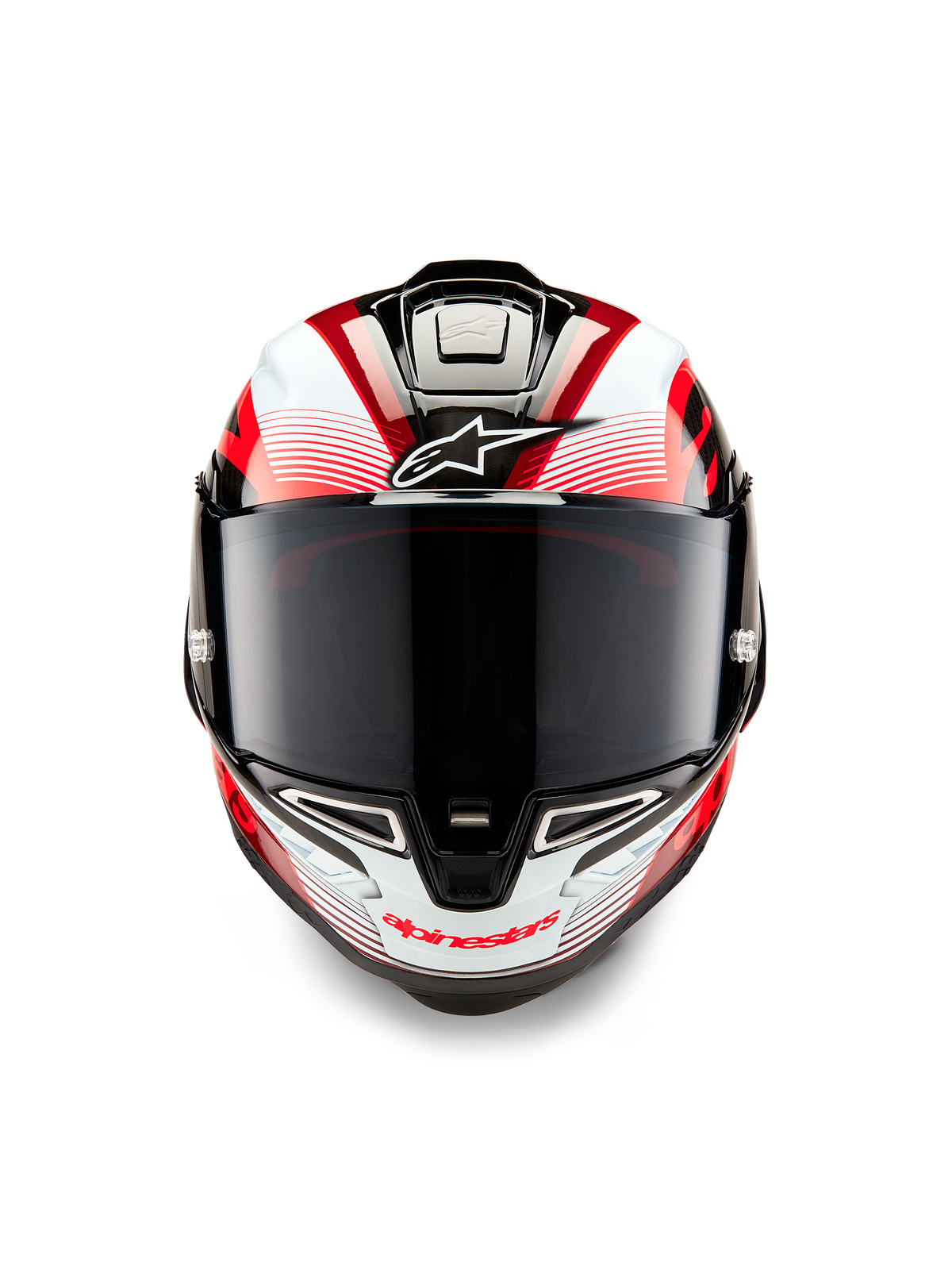


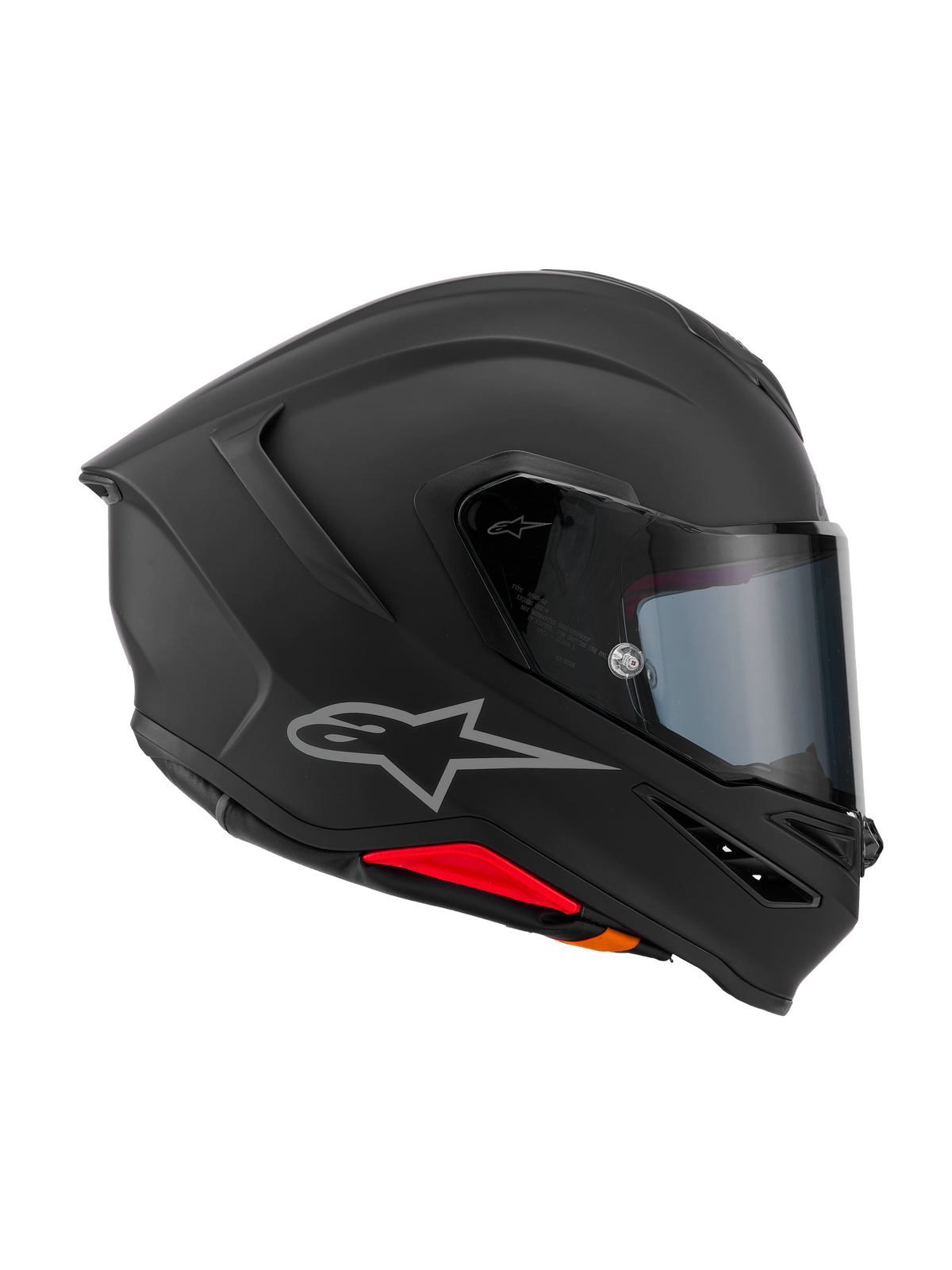


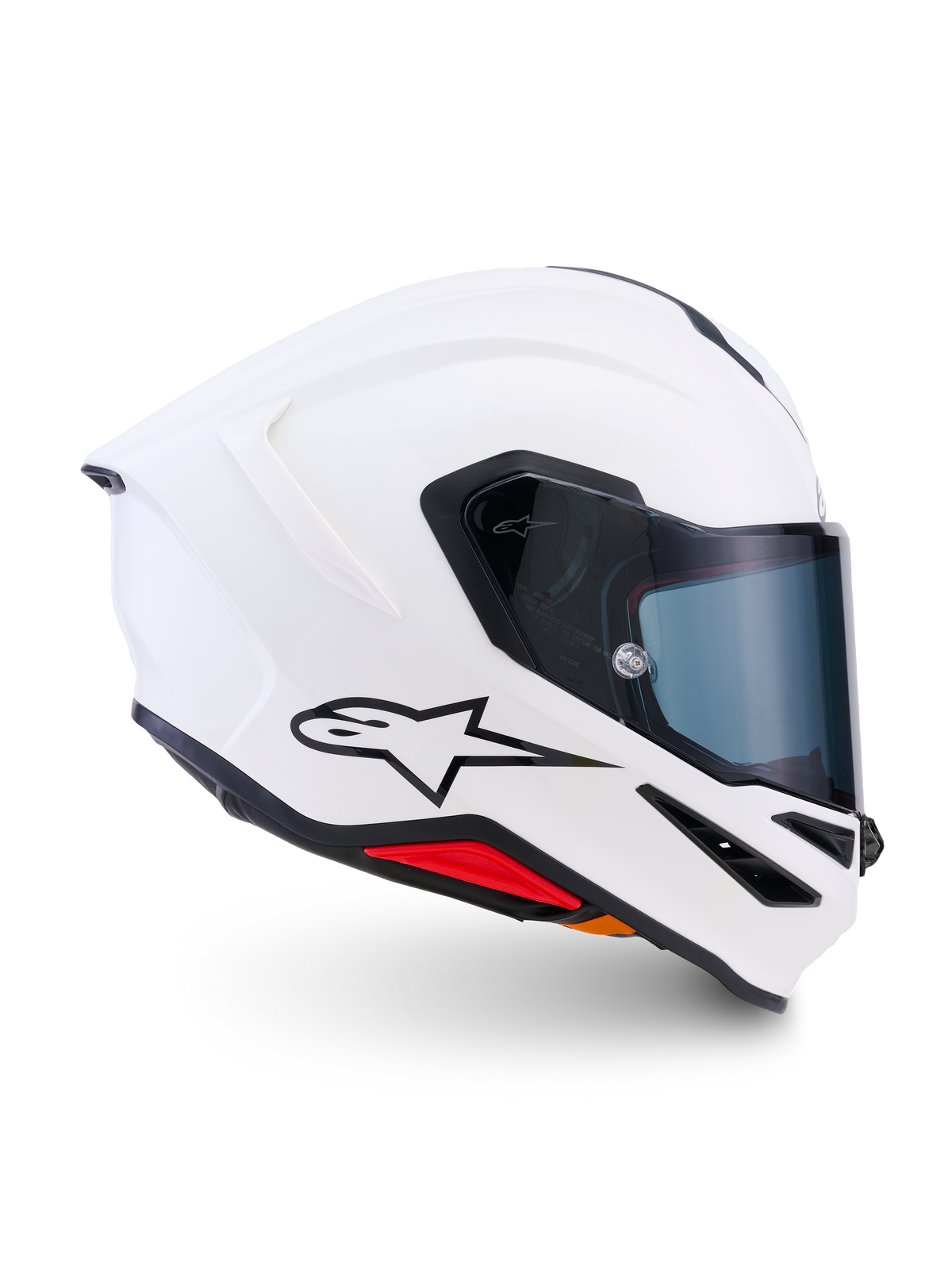


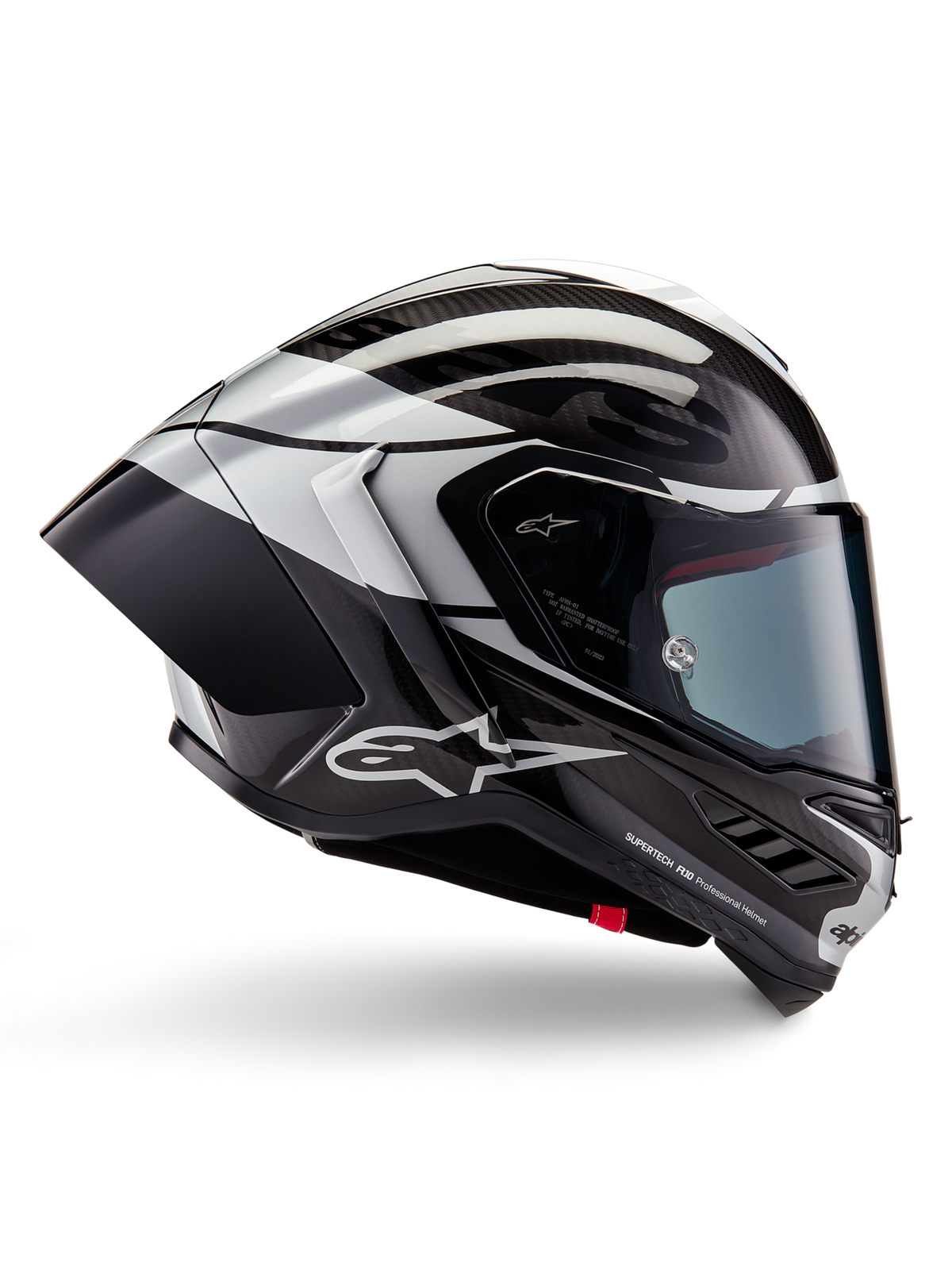


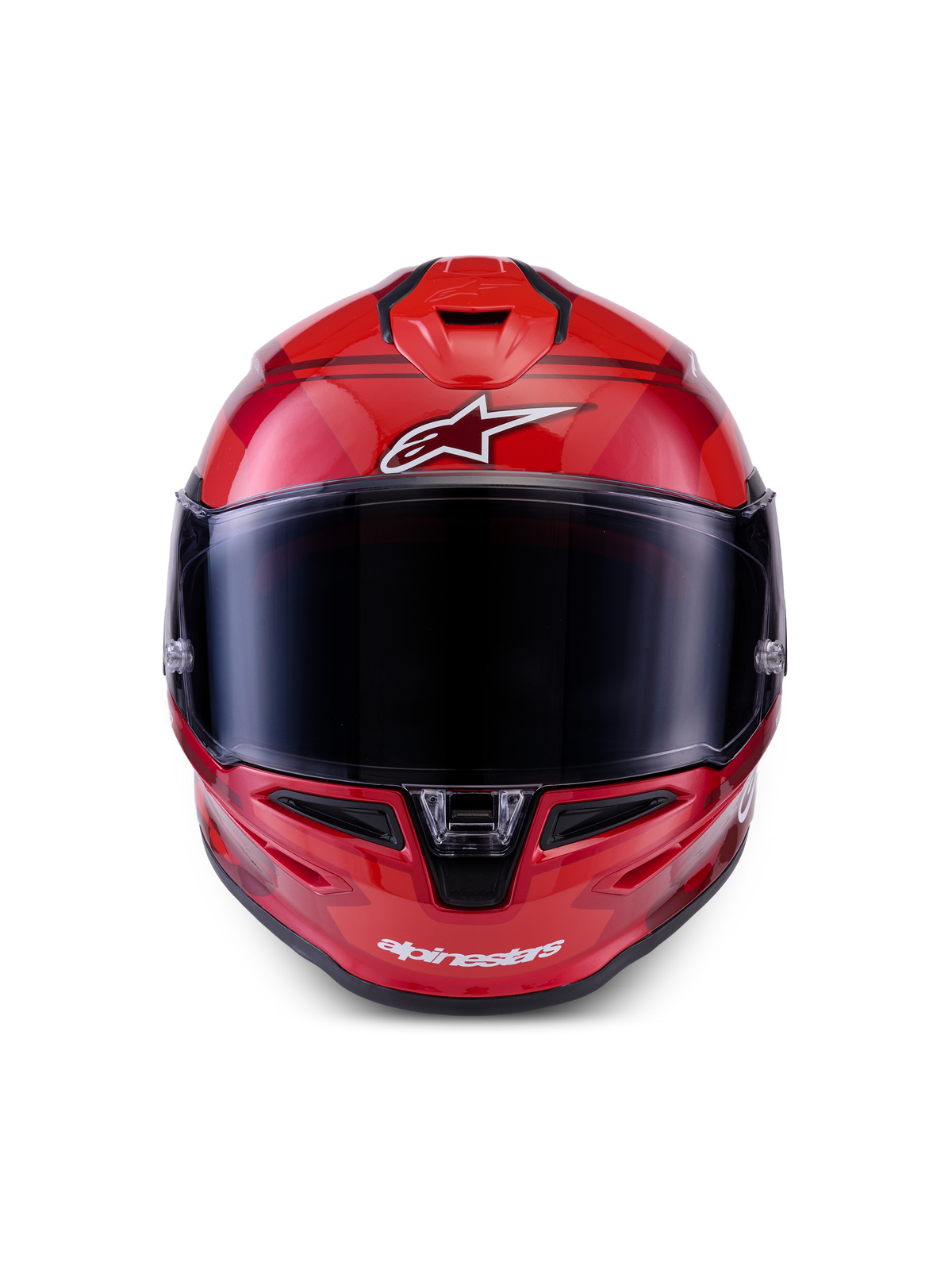


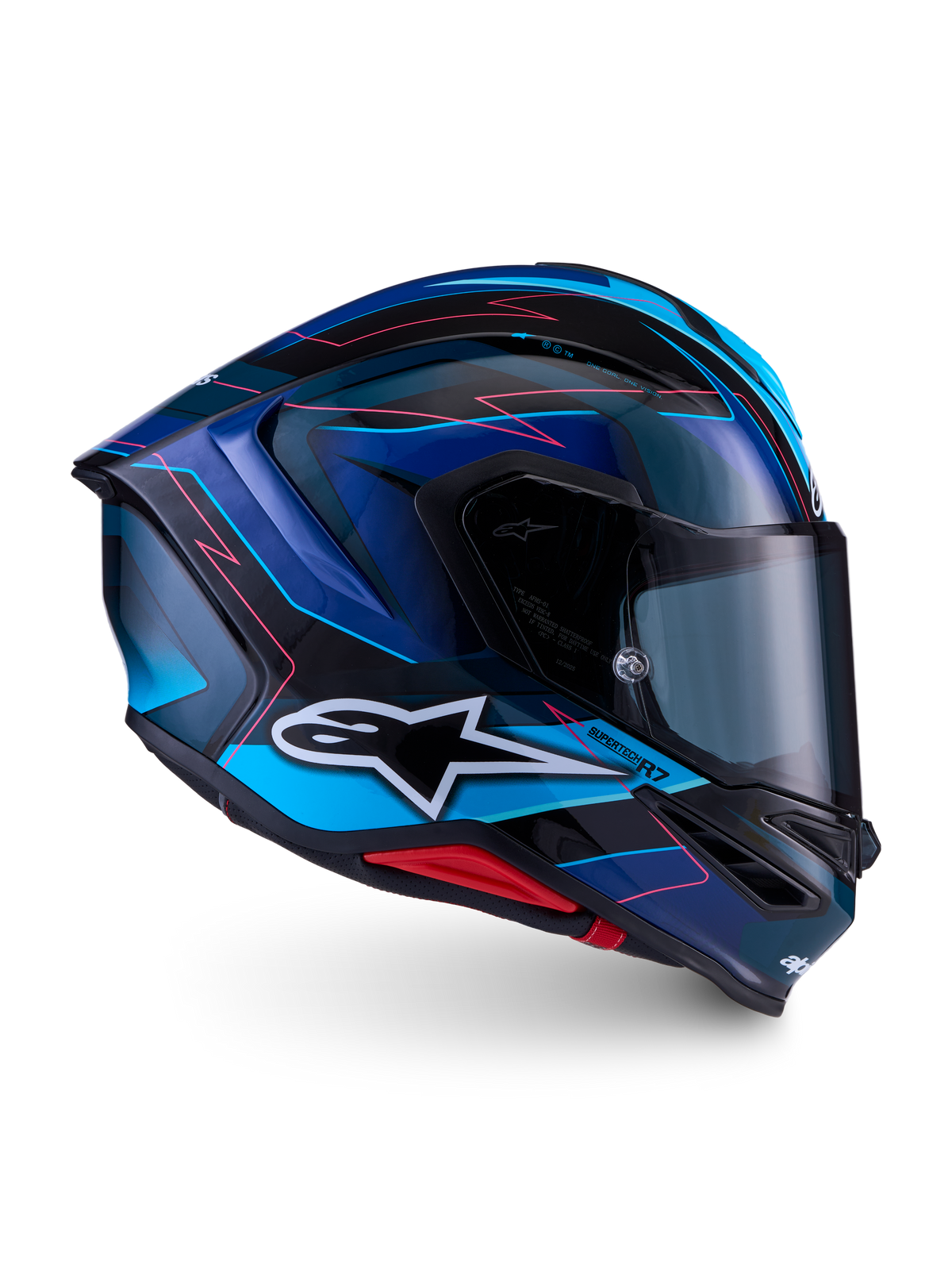


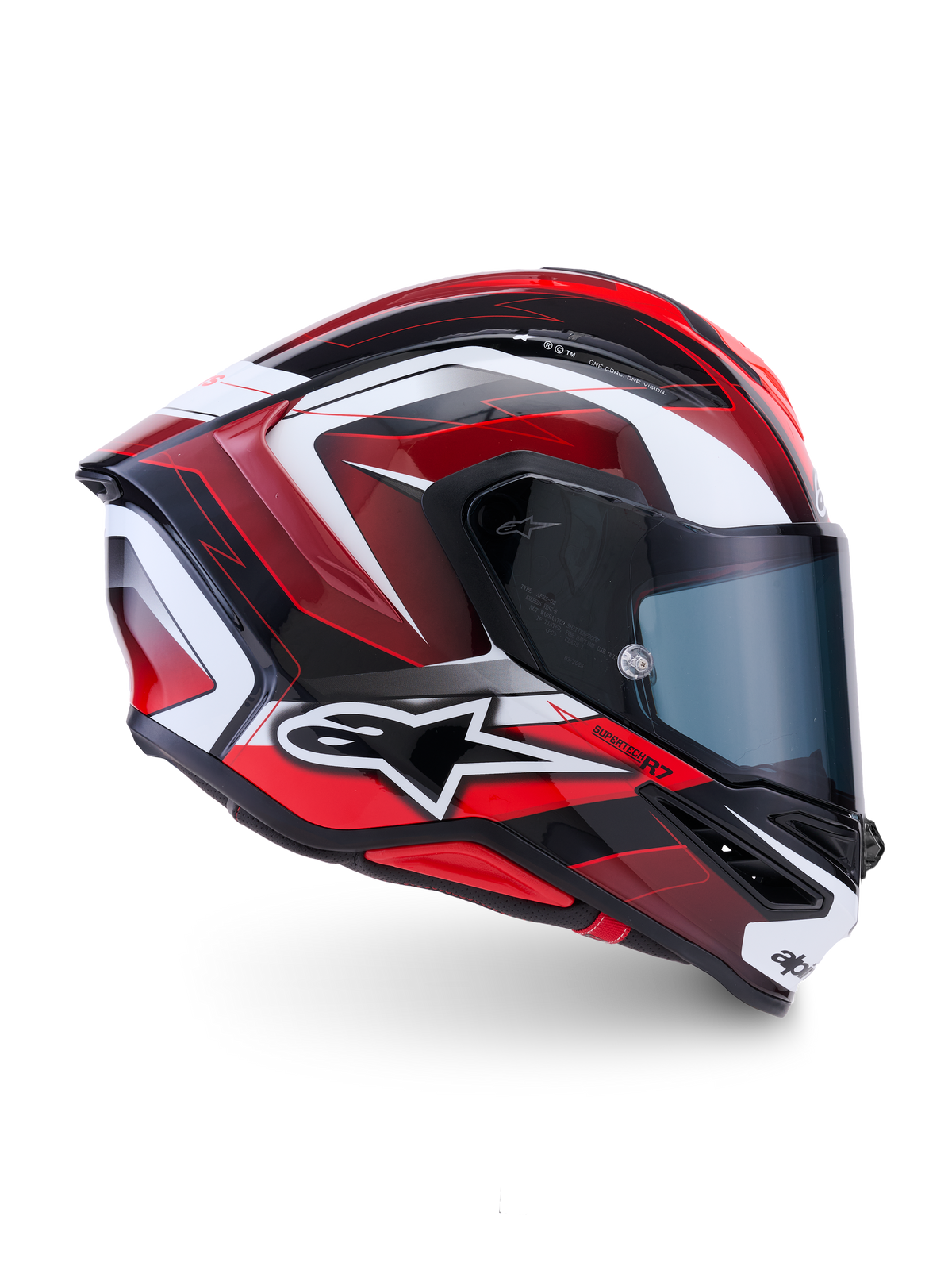


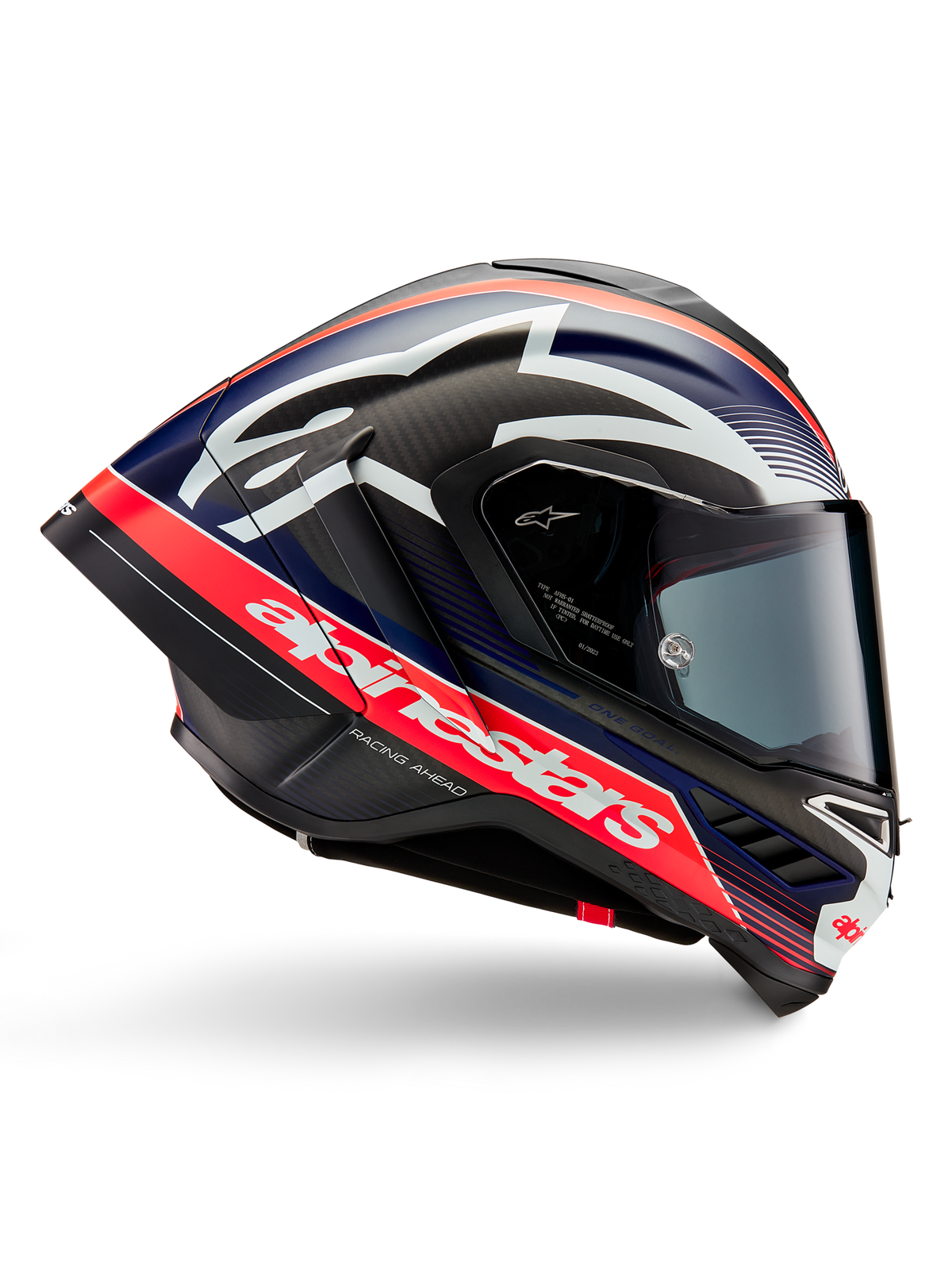







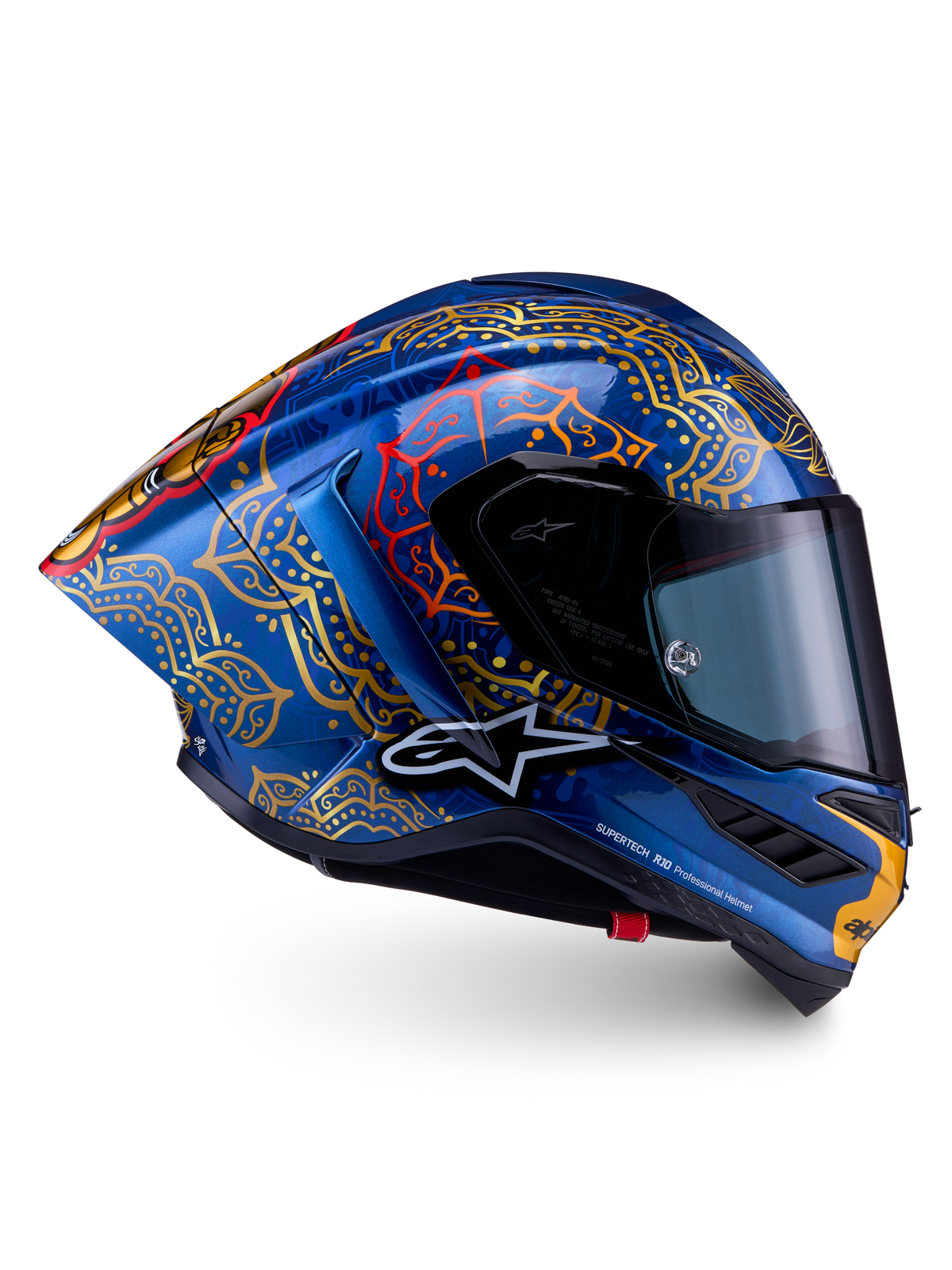


26 of 26 products
All products loaded
Frequently asked questions Hide FAQs
What types of men’s motorcycle helmets are included in this collection?
This collection covers road-focused motorcycle helmets for different riding priorities. Depending on the current assortment, it can include full-face helmets for maximum coverage and aerodynamic stability, as well as modular helmets for riders who want added day-to-day convenience.
Across the category, the focus is on protective shell construction, ventilation performance, visor clarity, and long-ride comfort for commuting, sport riding, and general road use.
How should a men’s motorcycle helmet fit, and how do I choose the right size?
A motorcycle helmet should fit evenly snug around the head without creating painful pressure points. It should stay stable when you turn your head, and the cheek pads should feel firm, especially when the helmet is new.
Measure your head circumference just above the eyebrows and compare it with the size chart on the product page. If you are between sizes, consider your head shape, intended riding use, and whether you prefer a tighter performance fit or slightly easier all-day comfort.
Are the helmets in this collection DOT or ECE 22.06 certified?
Certification varies by model, but many road helmets in this category are designed to meet recognized standards such as DOT and ECE 22.06. Some race-focused helmets may also be developed for higher-performance homologation requirements.
As a general guide, DOT certification is relevant for U.S. road use, while ECE 22.06 is a widely recognized international standard covering impact, retention, and updated test protocols. Always check the individual product page to confirm the exact certification of the helmet you are considering.
What is the difference between a full-face and a modular motorcycle helmet?
The main difference is structure and intended use. Full-face helmets use a fixed chin bar for consistent coverage, aerodynamic efficiency, and high-speed stability. Modular helmets use a flip-up chin bar, which adds convenience for commuting, touring, and frequent stops.
| Helmet type | Main advantage | Best use |
|---|---|---|
| Full-face | Maximum coverage, aerodynamic performance, and structural consistency | Sport riding, fast road use, track-oriented riding |
| Modular | Greater convenience for daily riding and touring | Commuting, touring, mixed on-bike and off-bike use |
If your priority is outright protection and road performance, full-face is usually the stronger choice. If convenience and versatility matter more, a modular design may be the better fit.
How do I clean and maintain a motorcycle helmet?
Clean the shell and visor with a soft cloth, lukewarm water, and mild soap only. Avoid solvents, harsh chemicals, or abrasive paper products, as they can damage visor coatings, painted finishes, and sealing surfaces.
If the helmet has a removable comfort liner, take it out and wash it gently by hand, then let it air dry fully before reinstalling. It is also good practice to inspect the visor, vents, cheek pads, and retention system regularly. For related replacement parts and add-ons, you can browse helmet accessories.