
17 results
-
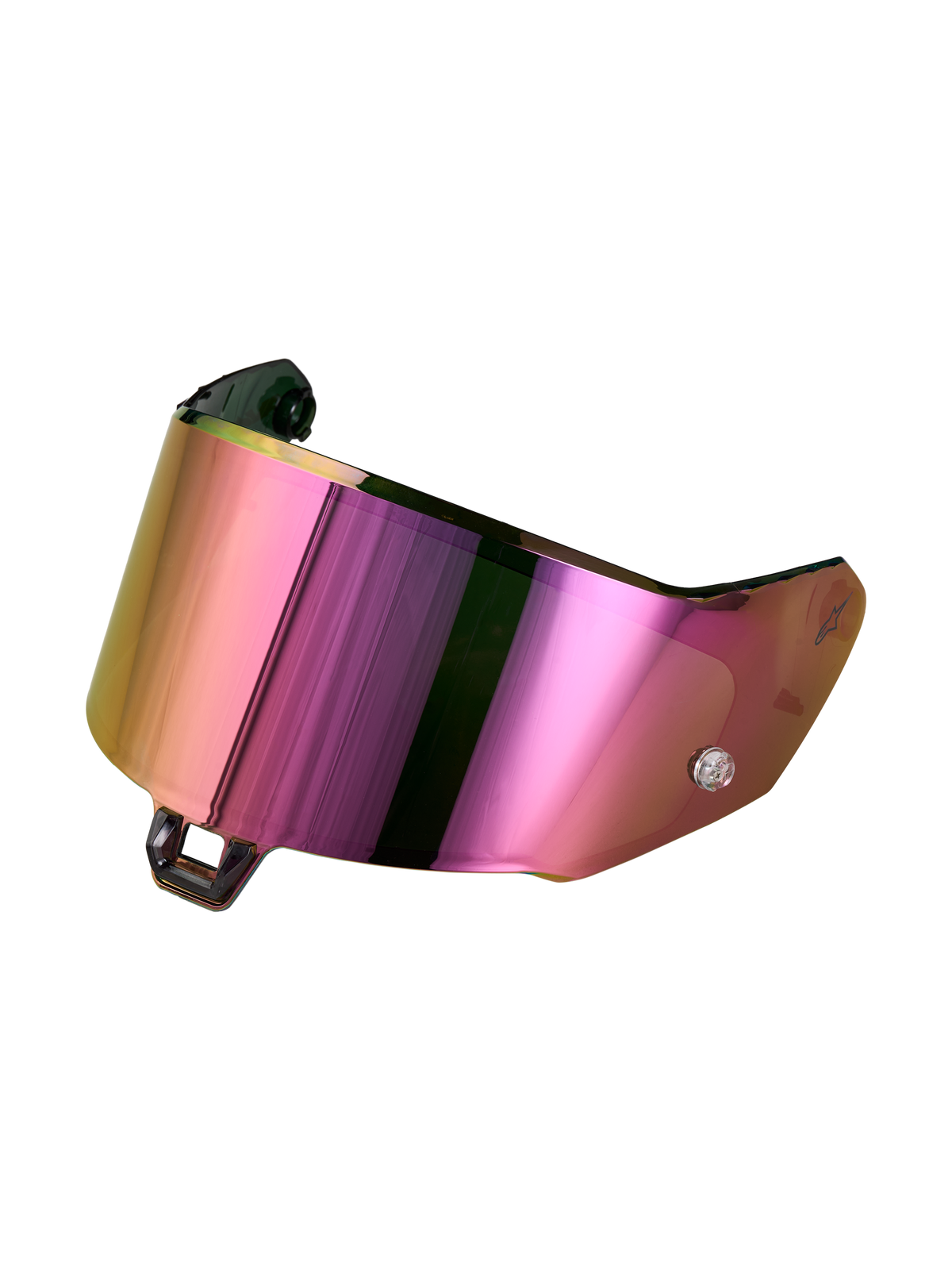
Supertech R-10/R-7 Absolute Vision Shield Gen2.1-R- Mirror Purple -
Supertech R-10/R-7 Absolute Vision Shield Gen2.1-R - Mirror Rainbow -
Supertech R-10/R-7 Absolute Vision Shield Gen2.1-R - Mirror Gold -
Supertech R-10/R-7 Absolute Vision Shield Gen2.1-R - Mirror Red -
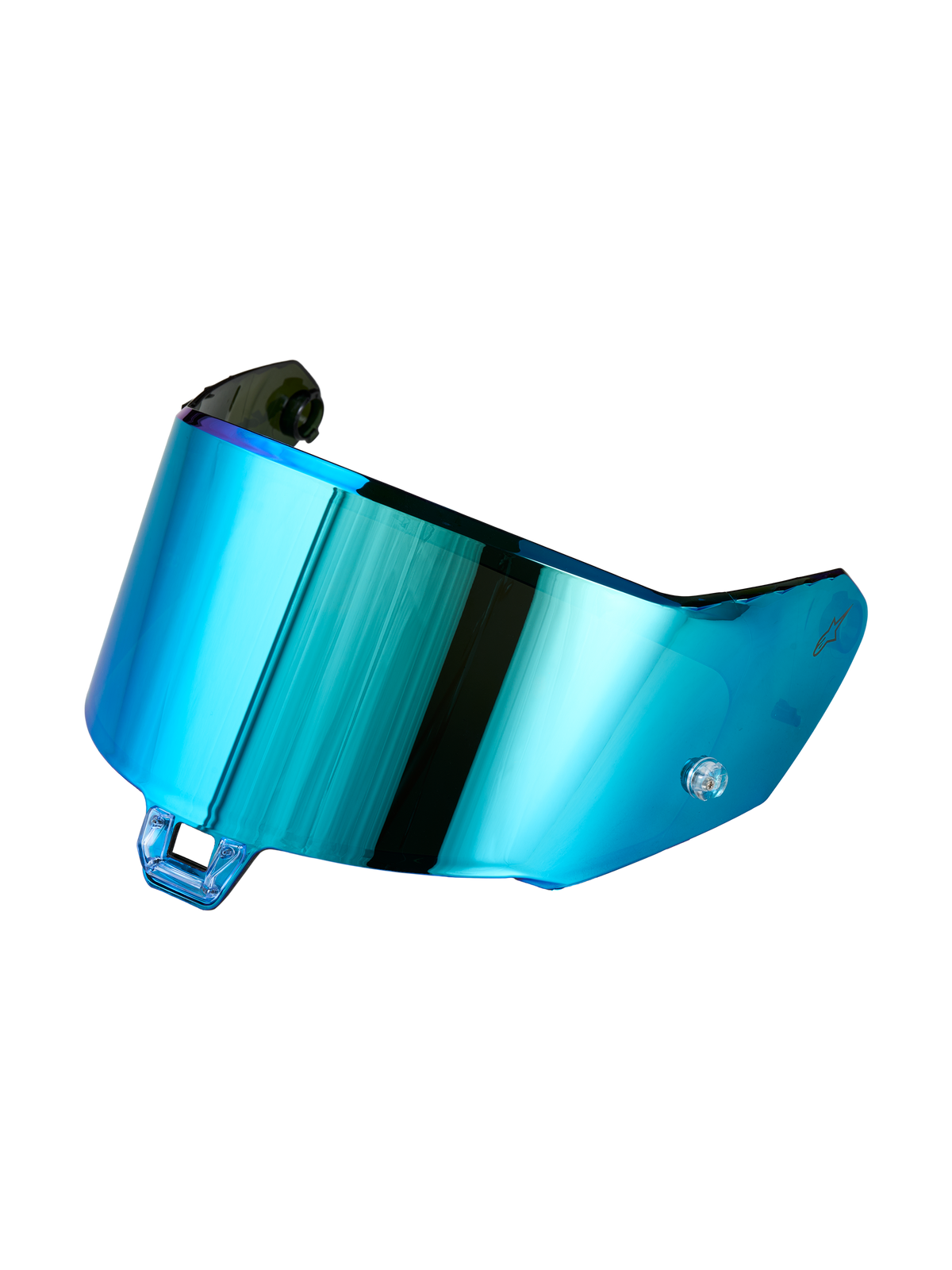
Supertech R-10/R-7 Absolute Vision Shield Gen2.1-R - Mirror Blue -
Supertech R10 Clear Shield GEN1 -
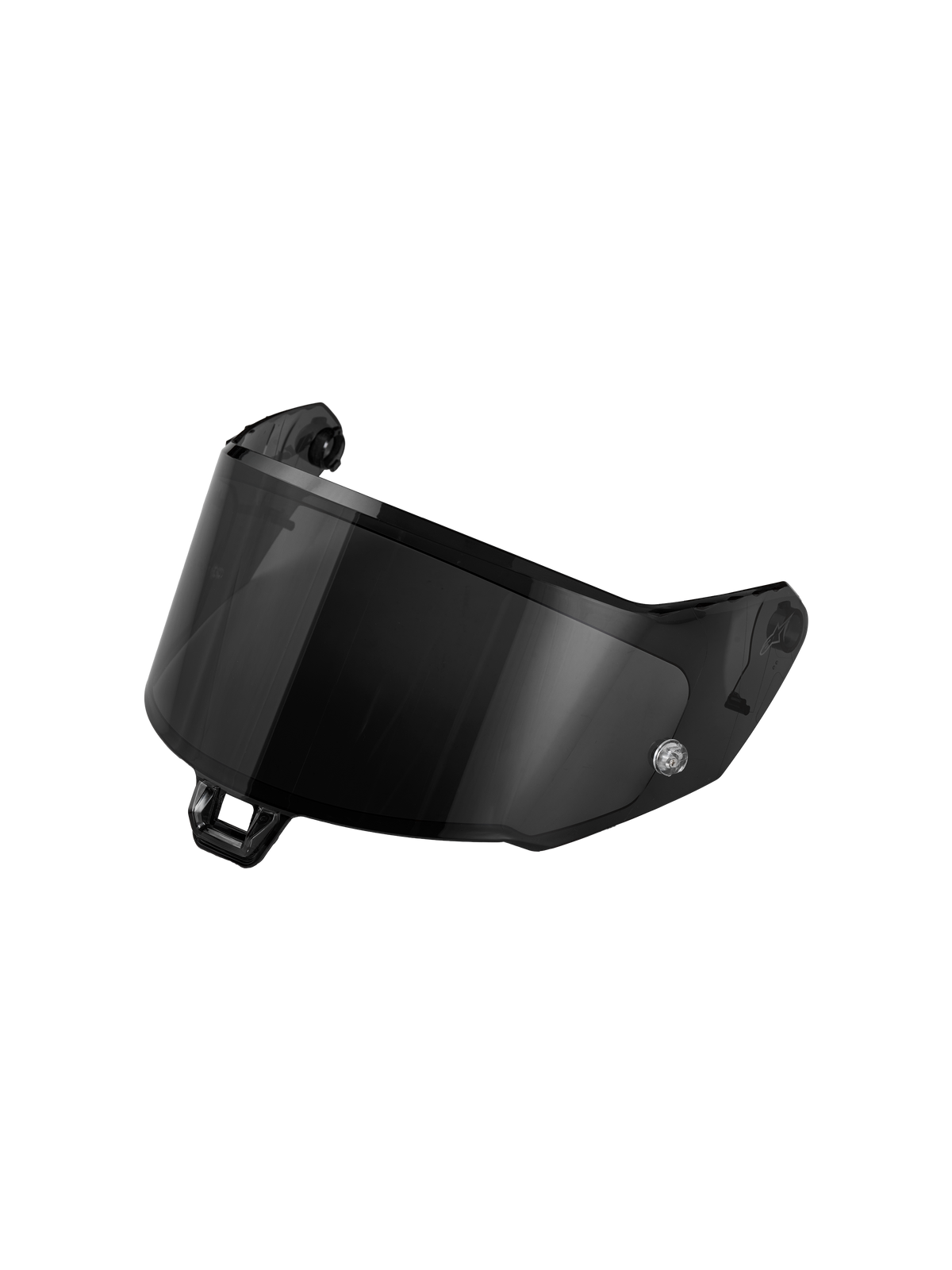
Supertech R-10/R-7 Absolute Vision Shield Gen2.1-R - Dark -
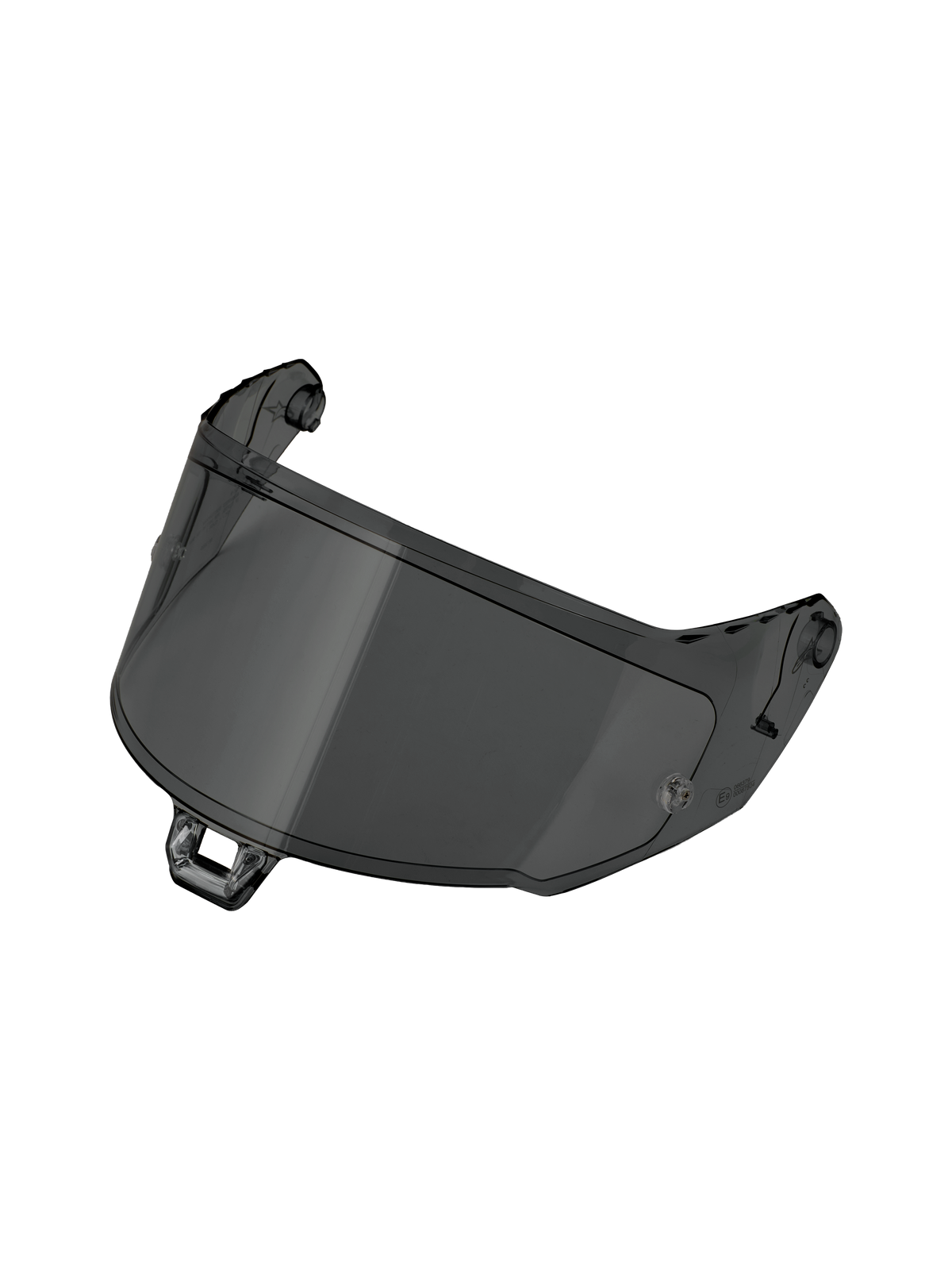
Supertech R10 Shield Light Smoke GEN2 -
Supertech R10 Shield Dark Silver Mirror GEN2 -
Supertech R-10/R-7 Absolute Vision Shield Gen2.1 - Light Brown -
Supertech R-10/R-7 Absolute Vision Shield Gen2.1-R - Photocromic -
Supertech R10 Shield Pinlock Lens GEN1 -
Supertech R10 Shield Tear-Off Set GEN1 -
Supertech R-10/R-7 Gen 2.1-R Absolute Vision Shield - Mirror Silver -
Supertech R-10/R-7 Shield Gen2.1-R- Dark Smoke -
Supertech R-10/R-7 Shield Gen2.1 - Light Smoke -
Supertech R-10/R-7 Shield Gen2.1 - Clear










17 of 17 products
All products loaded
Frequently asked questions Hide FAQs
Are helmet shields universal, or do I need a specific shield for my helmet model?
Helmet shields are not universal. Replacement visors are designed around specific helmet shell shapes, pivot mechanisms, seal profiles, and eye-port dimensions, so the correct shield depends on the exact helmet model and generation.
When shopping this collection, match the shield to the helmet compatibility stated on the product page rather than choosing by appearance alone. Using the correct model-specific shield helps maintain proper closing, visibility, and weather sealing.
What is the difference between clear, smoke, mirror, and photochromic helmet shields?
Different shield finishes are intended for different light conditions. Clear shields offer the most versatile visibility, while tinted and mirrored options are typically chosen for bright daytime riding. Photochromic shields are designed to adapt to changing light and can be useful for riders who move between sun and shade during the same ride.
| Shield type | Best use | Main benefit |
|---|---|---|
| Clear | Day, night, mixed weather | Maximum all-condition visibility |
| Light or dark smoke | Sunny daytime riding | Reduced glare and eye strain |
| Mirror | Bright daylight conditions | Glare reduction with an additional surface coating |
| Photochromic | Variable light conditions | Adaptive tint for broader day use |
The best choice depends on when and where you ride. For the widest everyday usability, many riders keep a clear shield for low-light use and choose a tinted or photochromic option for daytime conditions.
Do helmet shields support Pinlock or other anti-fog inserts?
Some helmet shields are designed to accept a Pinlock anti-fog lens, while others are standard shields without that interface. A Pinlock-ready shield uses dedicated mounting points for the insert, so compatibility depends on the specific shield and helmet platform.
If fog management is a priority, check whether the shield description states Pinlock compatibility before ordering. You can also browse related parts and helmet components in helmet accessories.
How should I clean and care for a motorcycle helmet shield?
Clean a helmet shield with lukewarm water, a soft microfiber cloth, and a mild cleaner that is safe for coated visor surfaces. Avoid paper towels, abrasive pads, ammonia-based cleaners, or strong solvents, because they can mark the surface or damage anti-scratch and anti-fog treatments.
If there is dried dirt or insect residue, let it soften with a damp cloth before wiping. Proper visor care helps preserve optical clarity, coating performance, and long-term use.
Are tinted helmet shields suitable for night riding or all weather conditions?
Tinted shields are generally intended for bright daytime use, not for every condition. In low light, rain, tunnels, or night riding, a darker shield can reduce available visibility and make hazards harder to read.
For mixed conditions, a clear shield is the most flexible option, while a photochromic shield may offer more adaptability during daytime transitions. Riders should also check local road-use regulations, since rules on visor tint and light transmission can vary by region.