
80 results
-
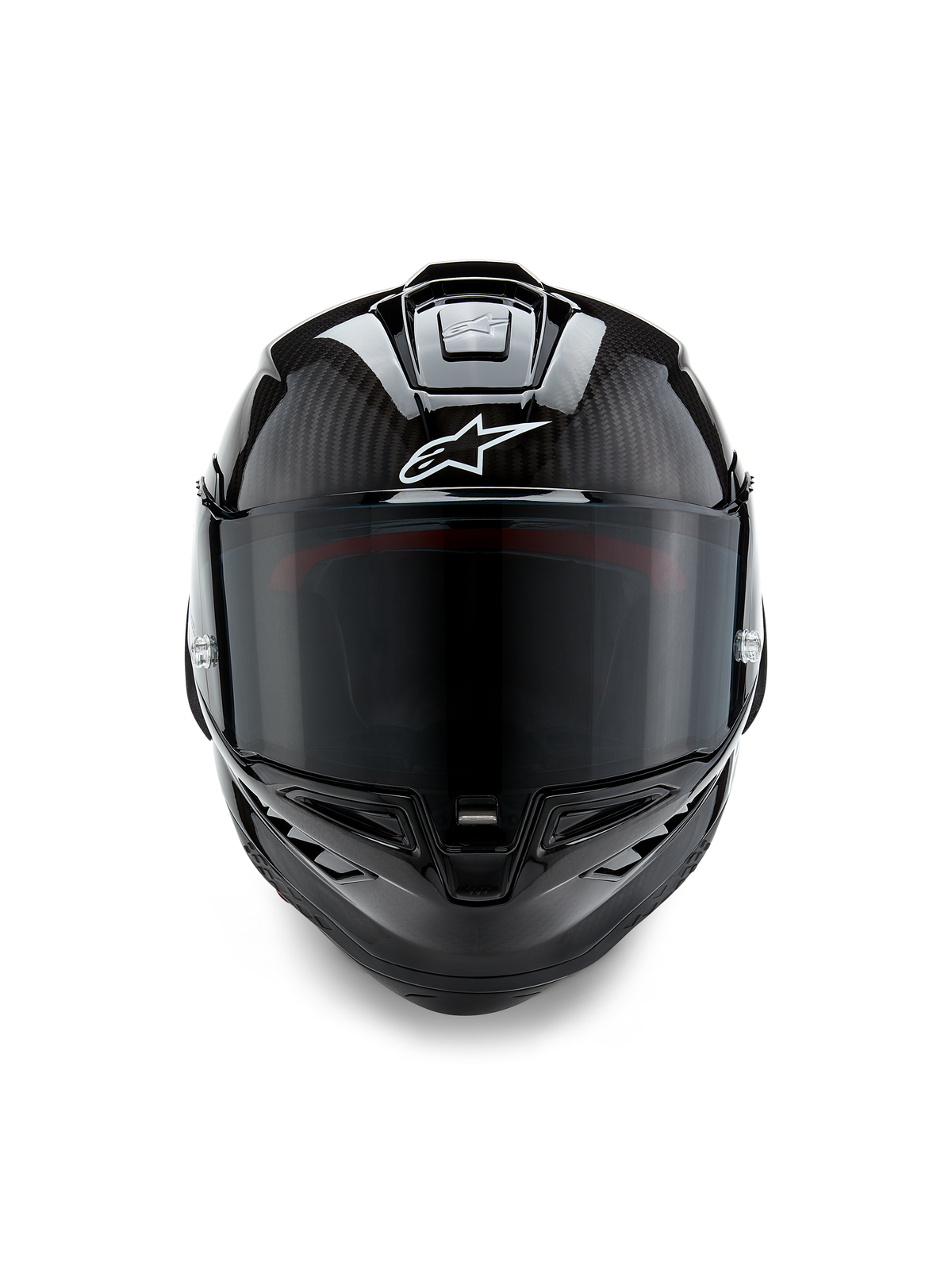
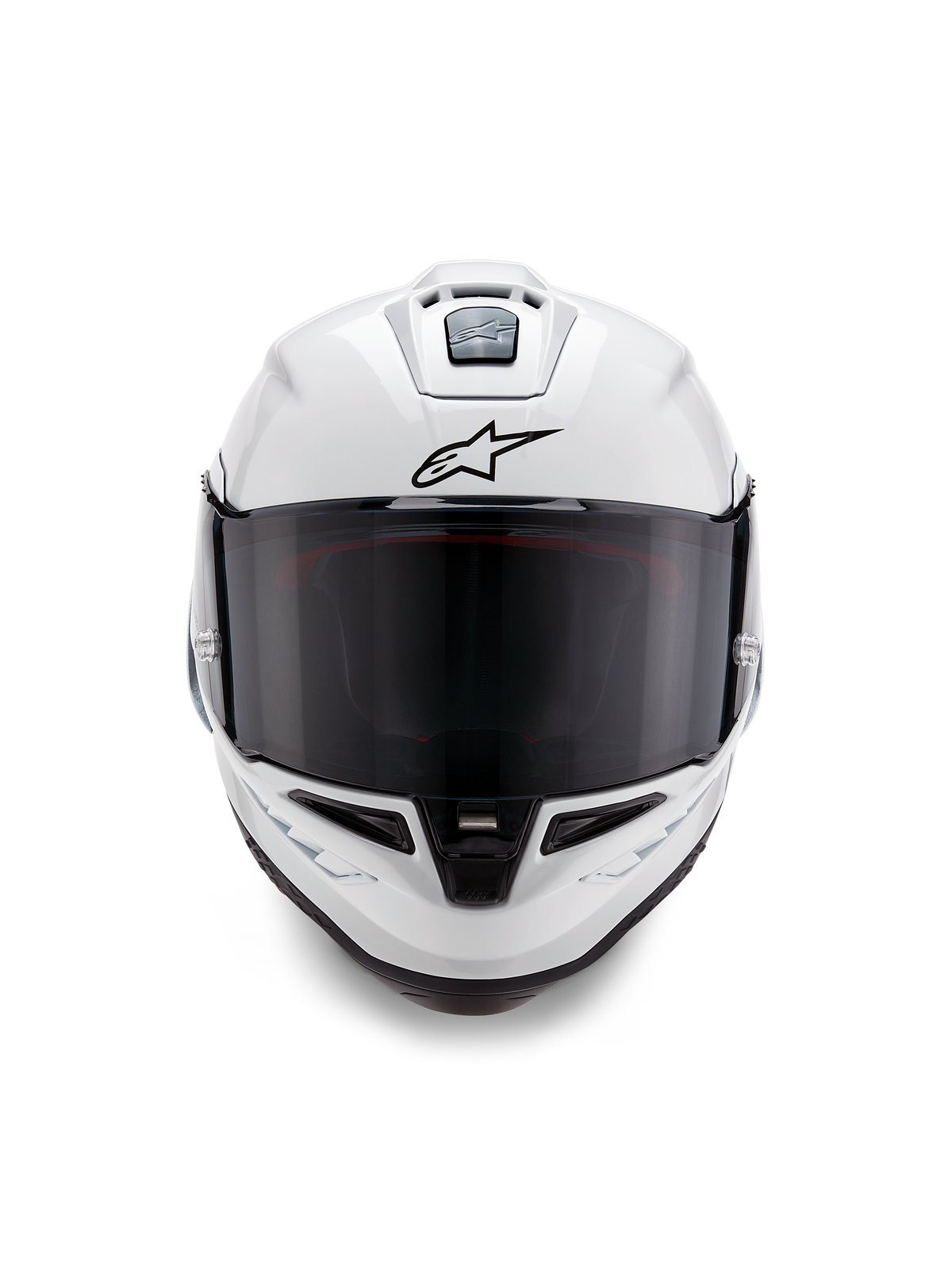
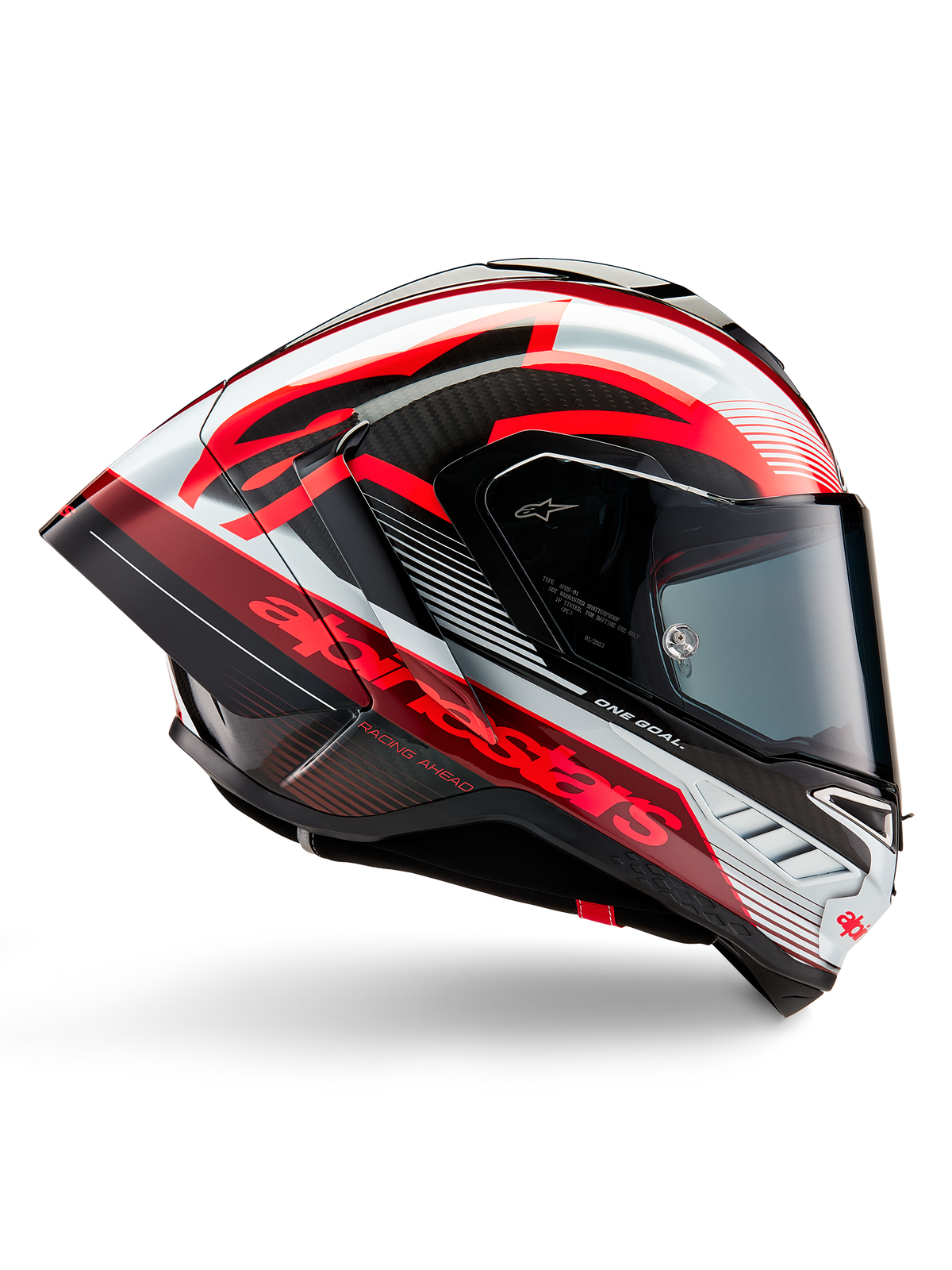
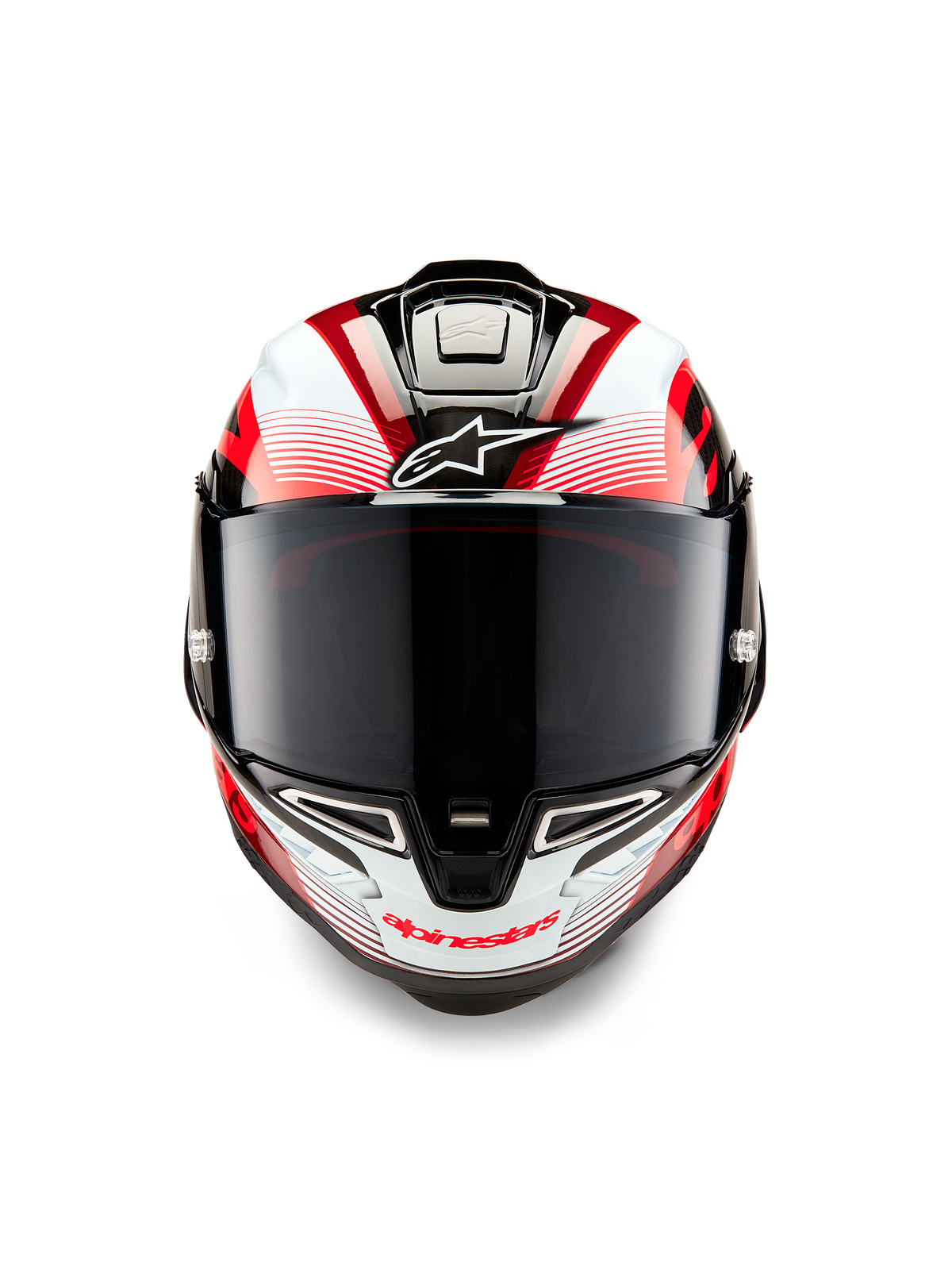
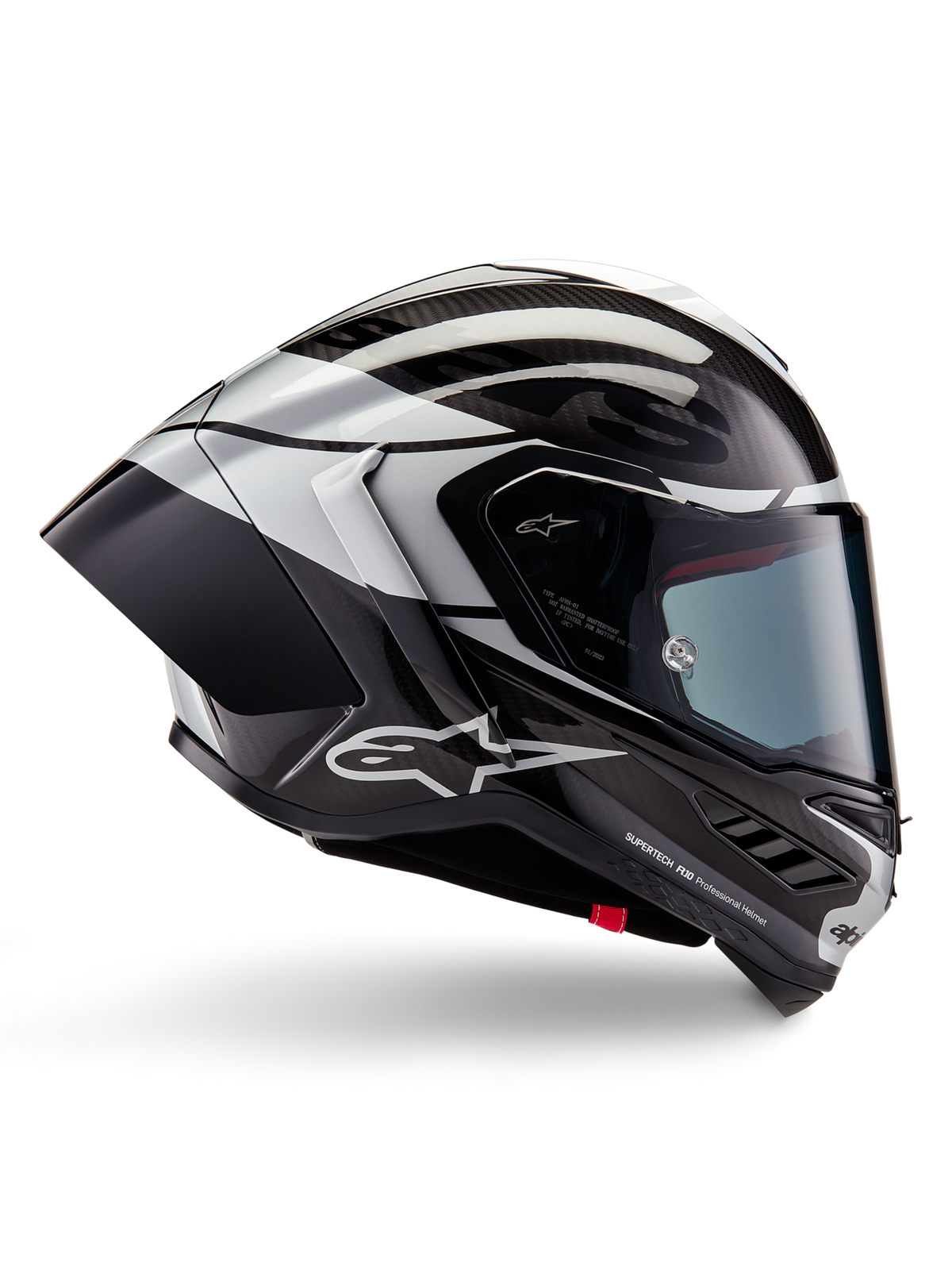
Supertech R10 Solid Helmet -
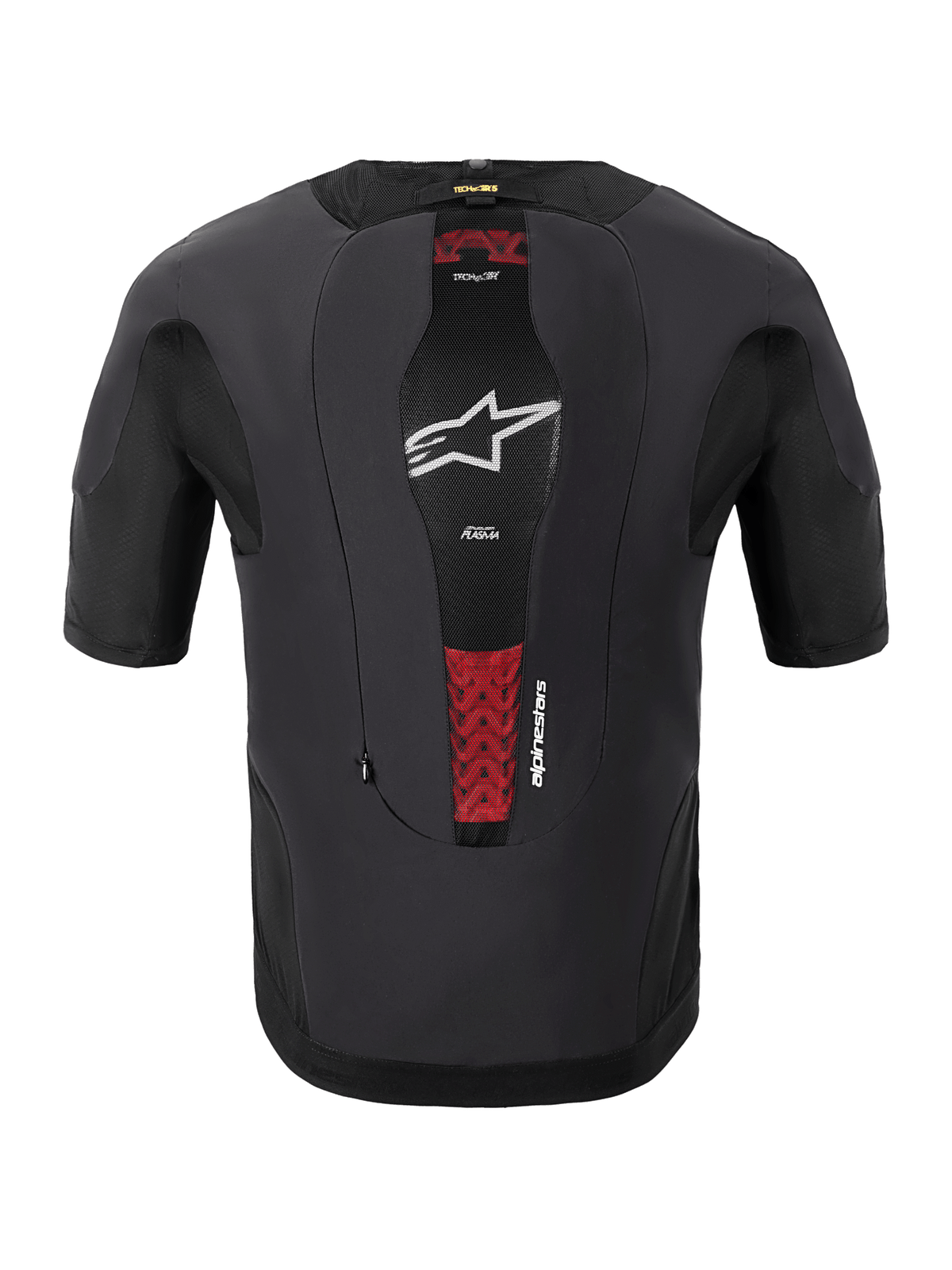
Tech-Air® 5 Plasma System -
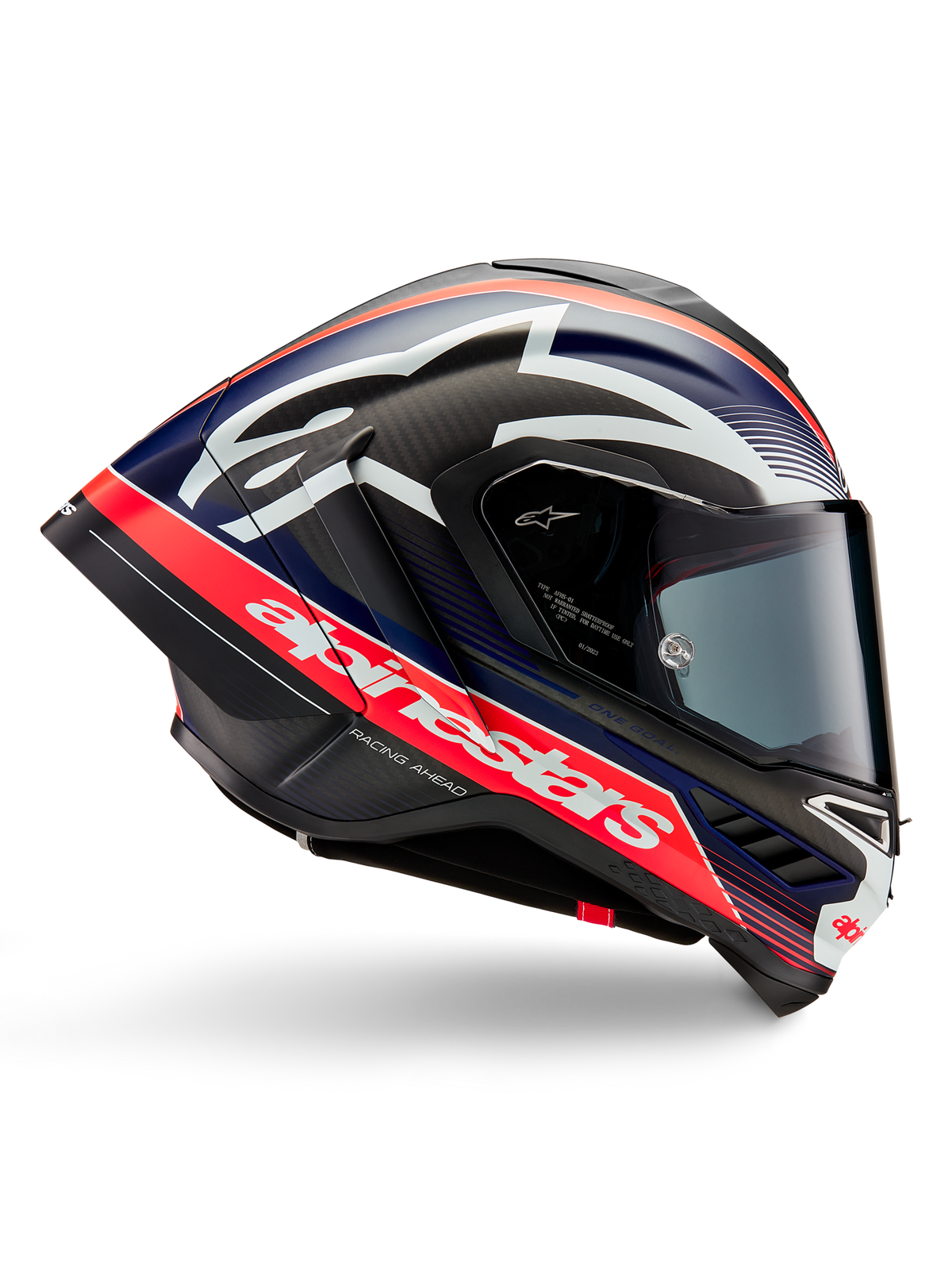
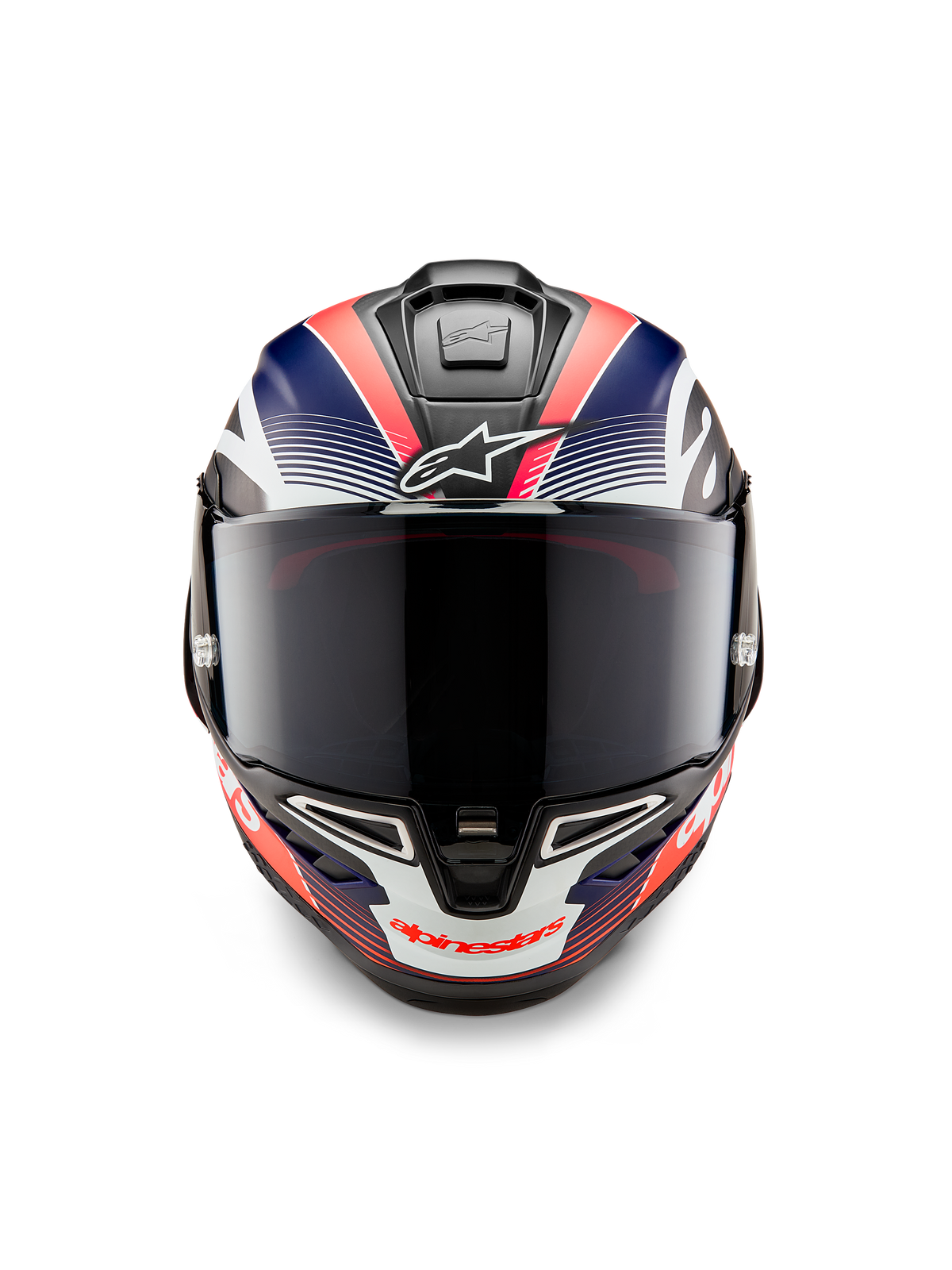
Supertech R10 Arius Helmet -
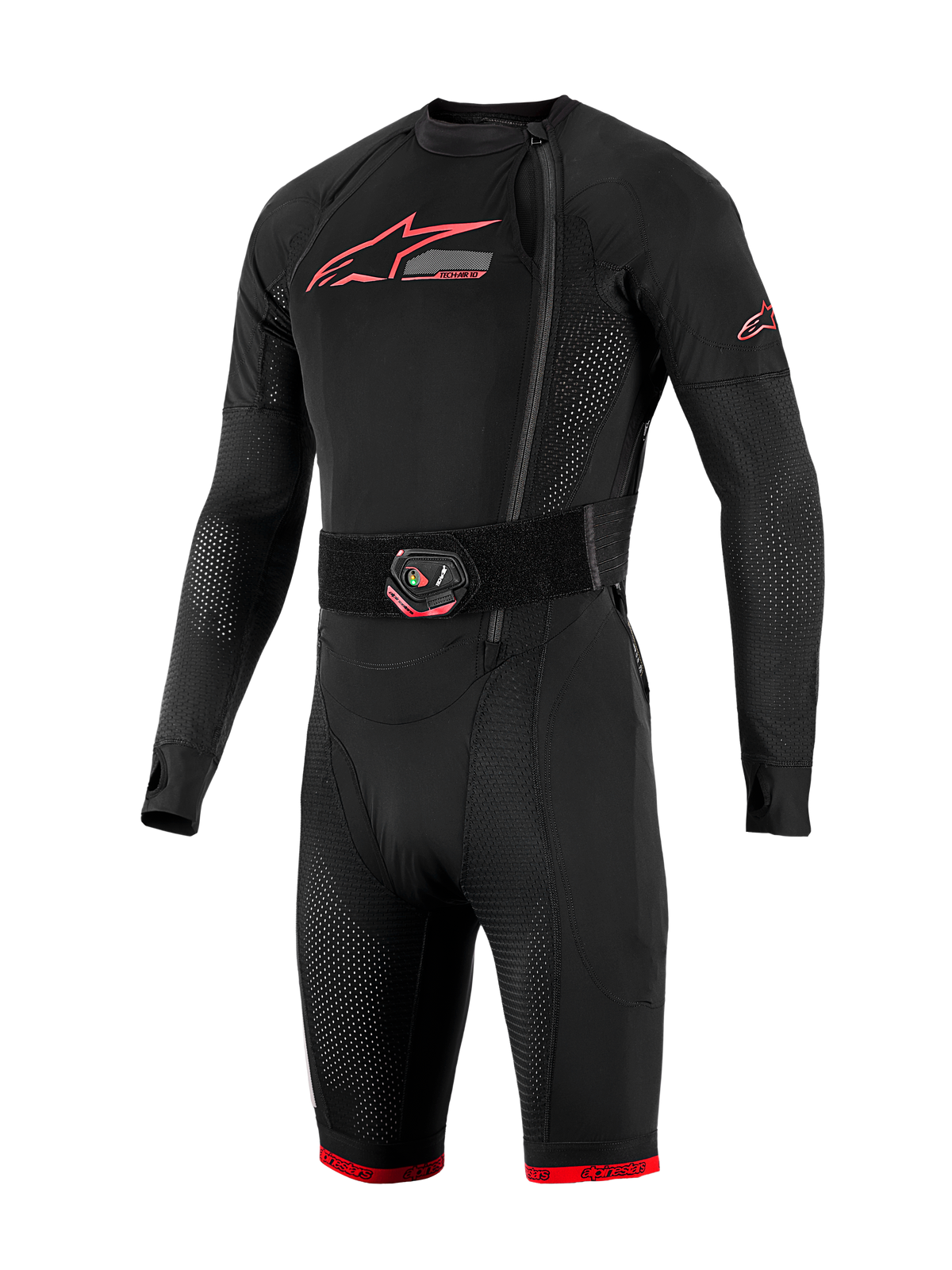
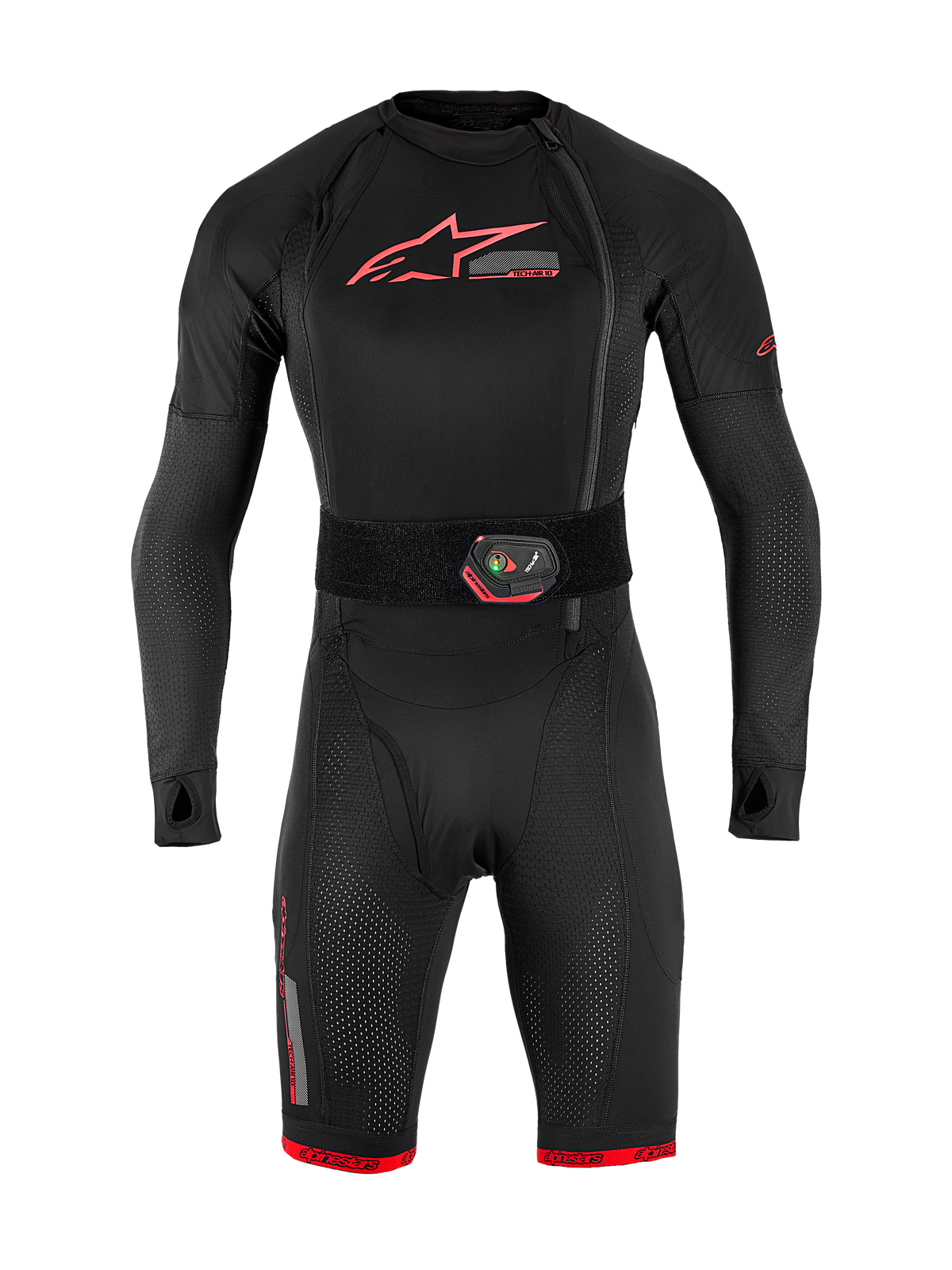
Tech-Air® 10 V2 Race Airbag System -
Supertech R10 Solid Helmet -
Supertech R10 Element Helmet -
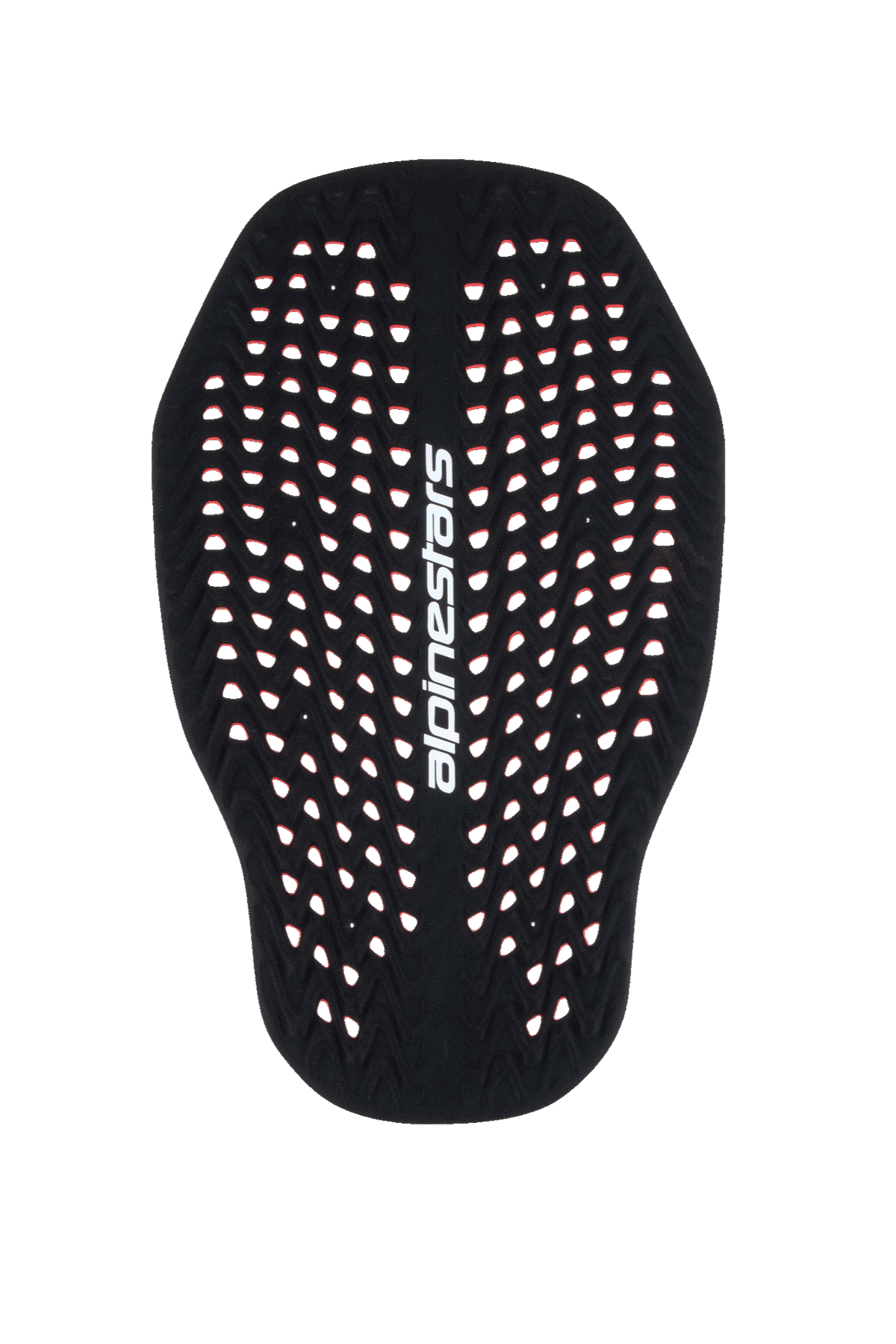
Nucleon Plasma Back Protector Insert -
Nucleon Plasma Full Back Protector Insert -
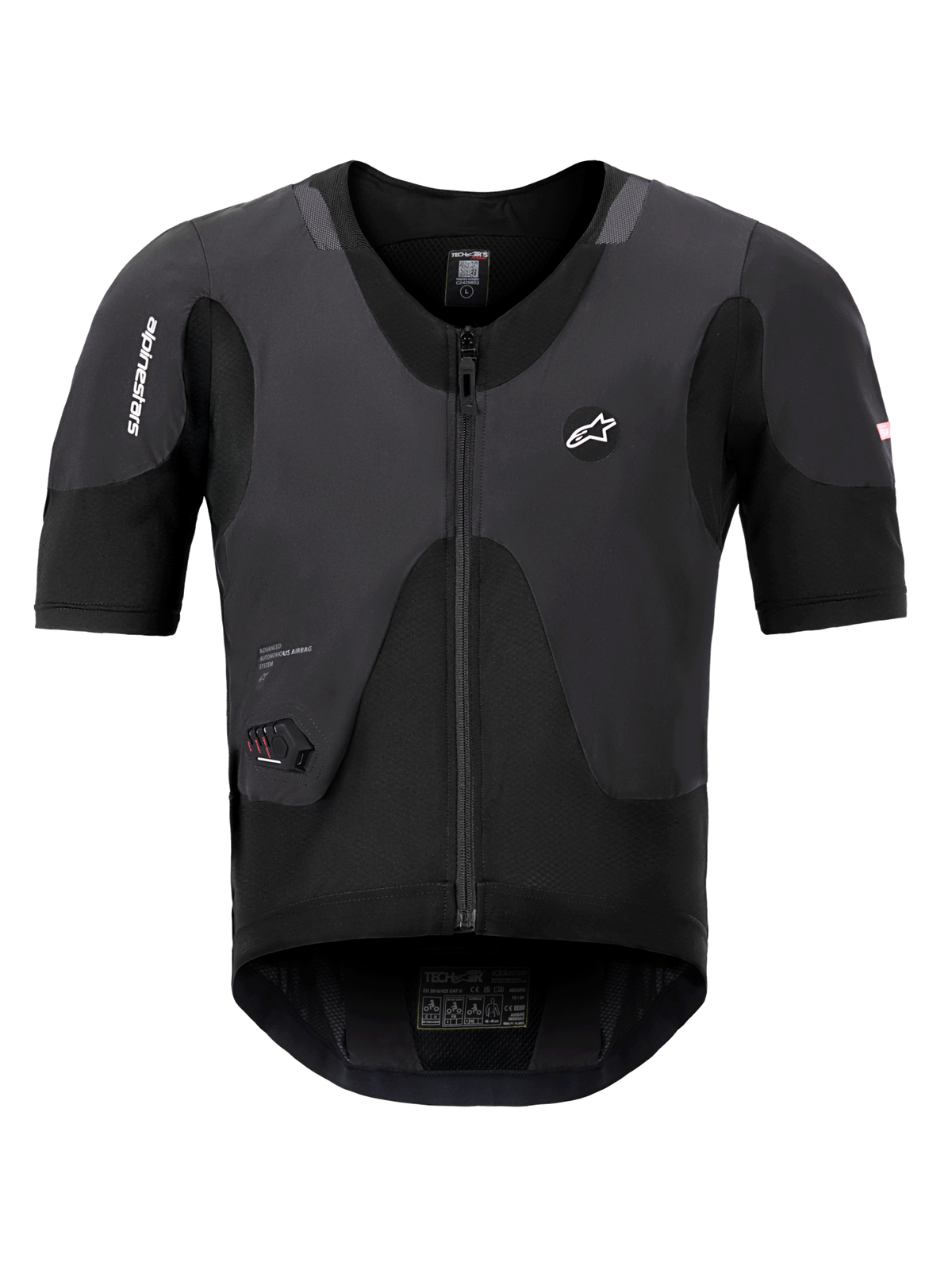
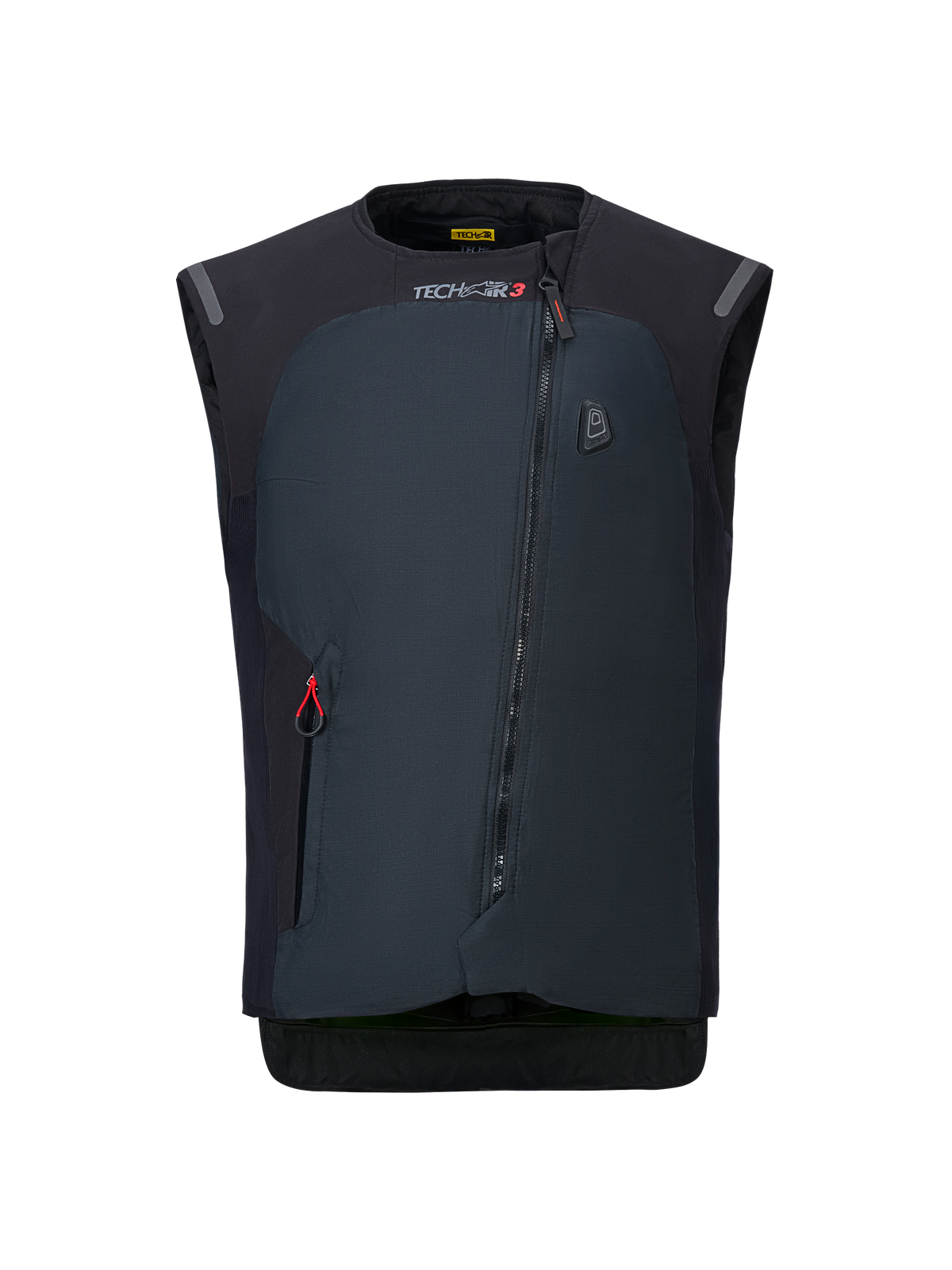
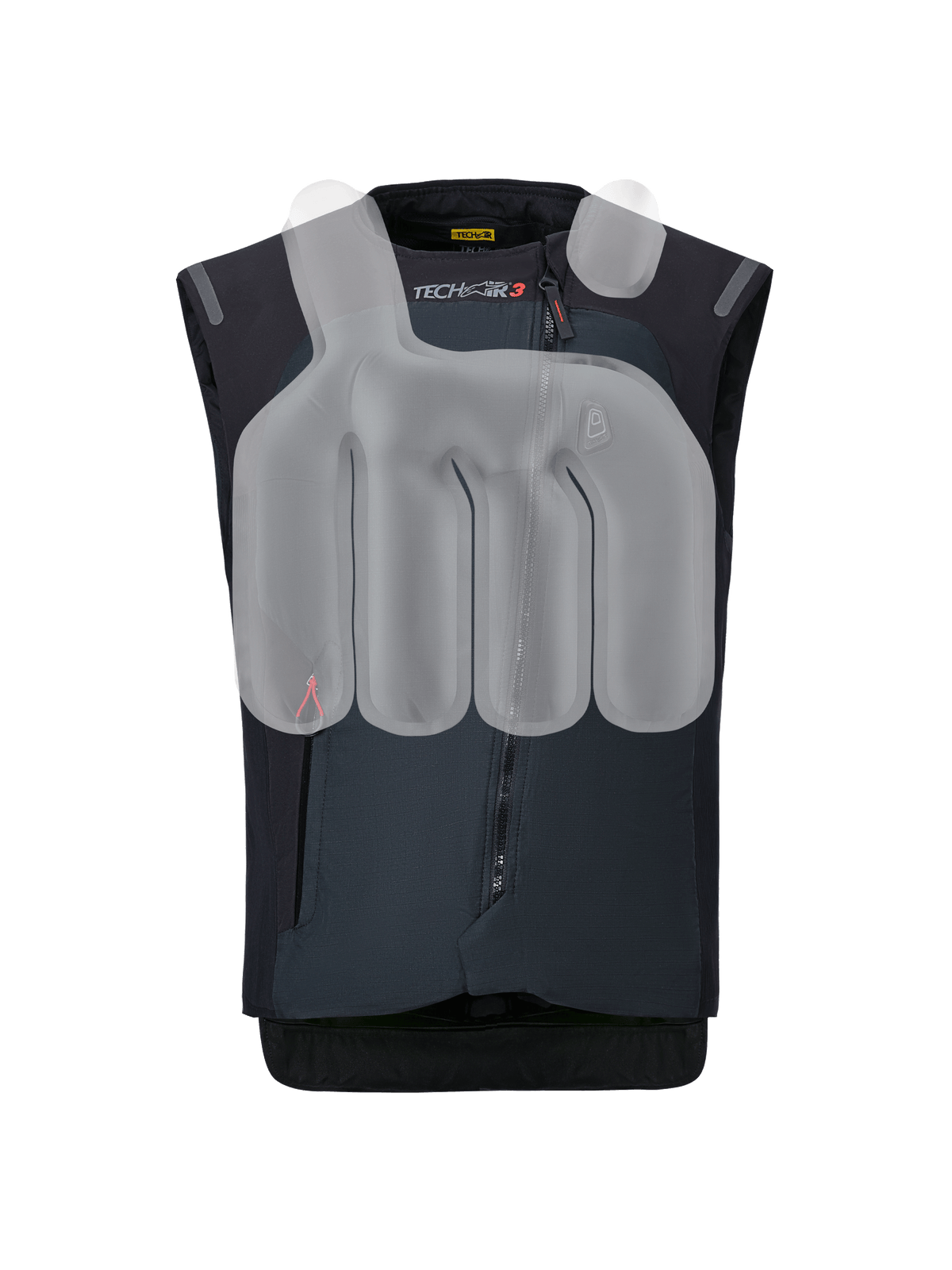
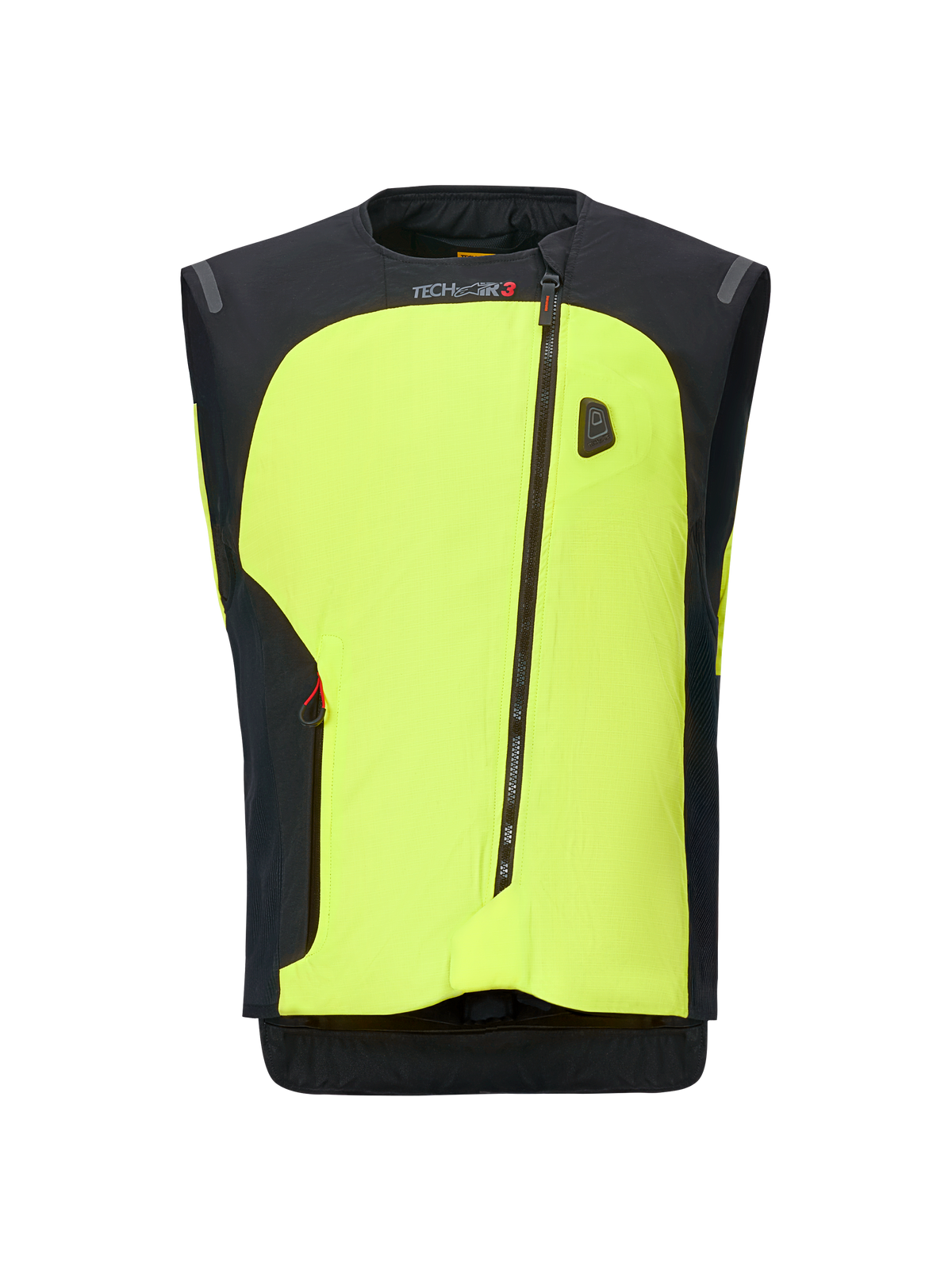
Tech-Air® 3 V2 System -
Stella Tech-Air® 3 V2 System -
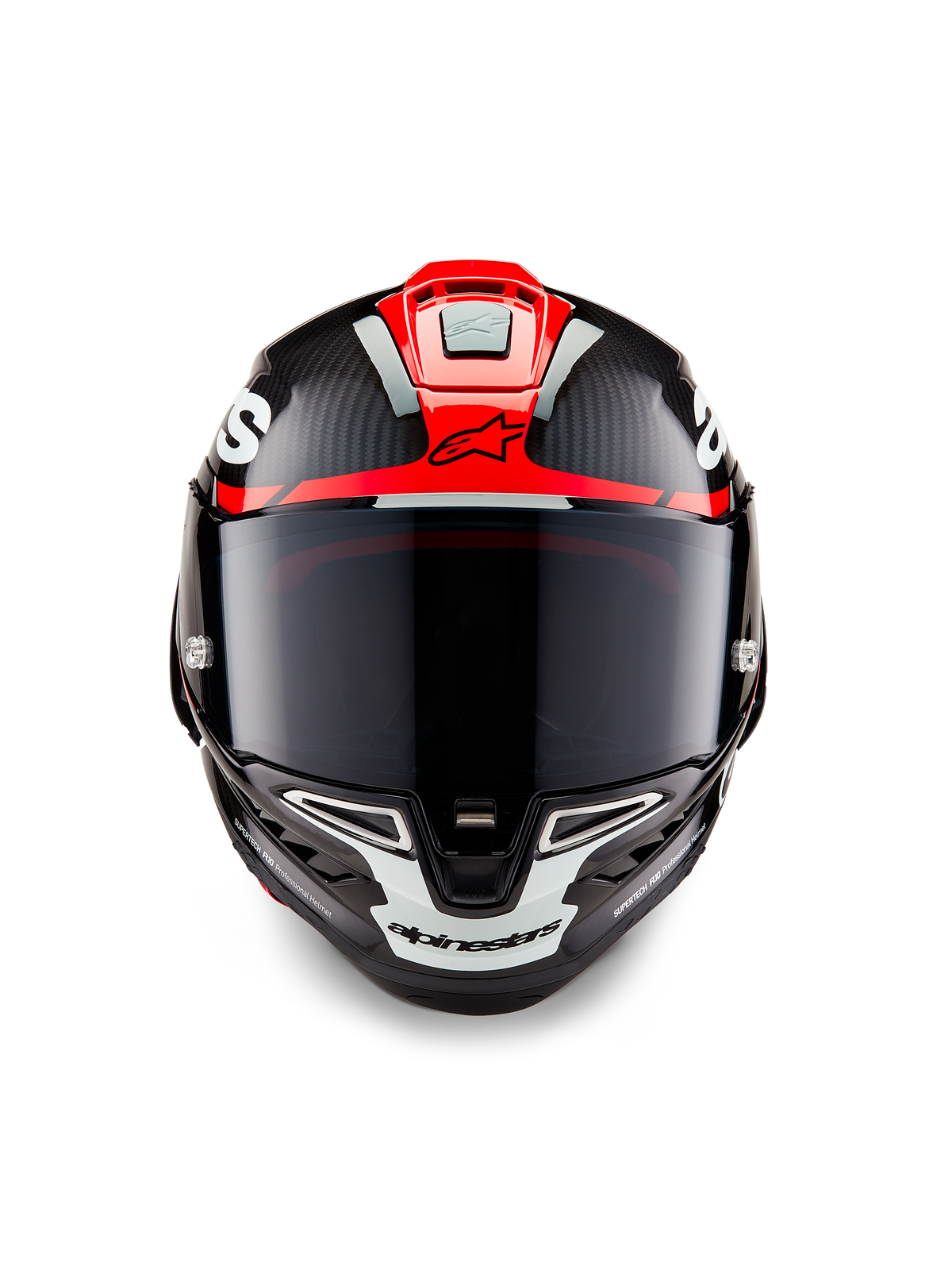
Supertech R10 Team Helmet -
Supertech R10 Team Helmet -
Supertech R10 Element Helmet -
Tech-Air® 7X System -
Tech-Air® 3 V2 System -
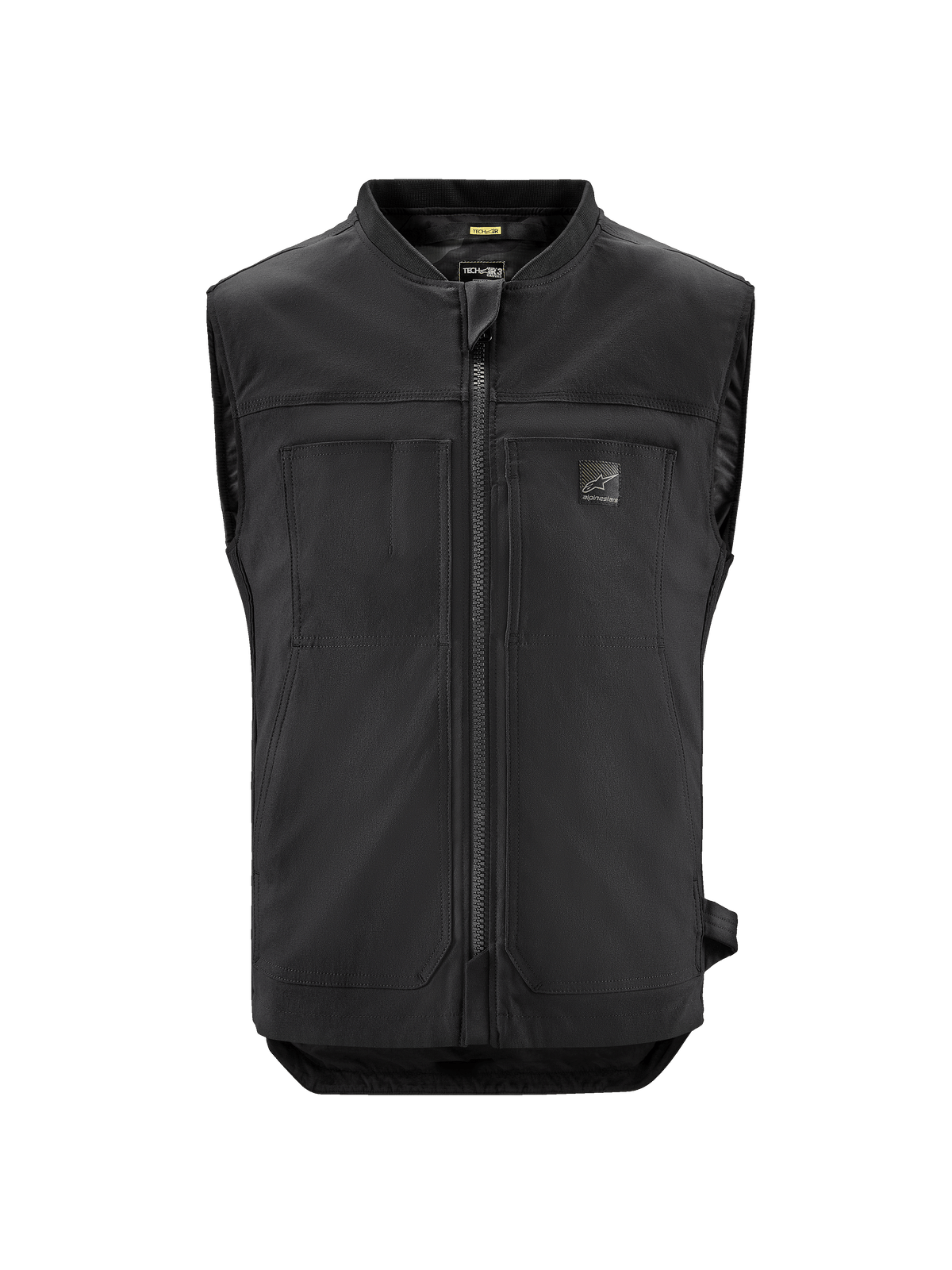
Tech-Air® 3 V2 Canvas System -
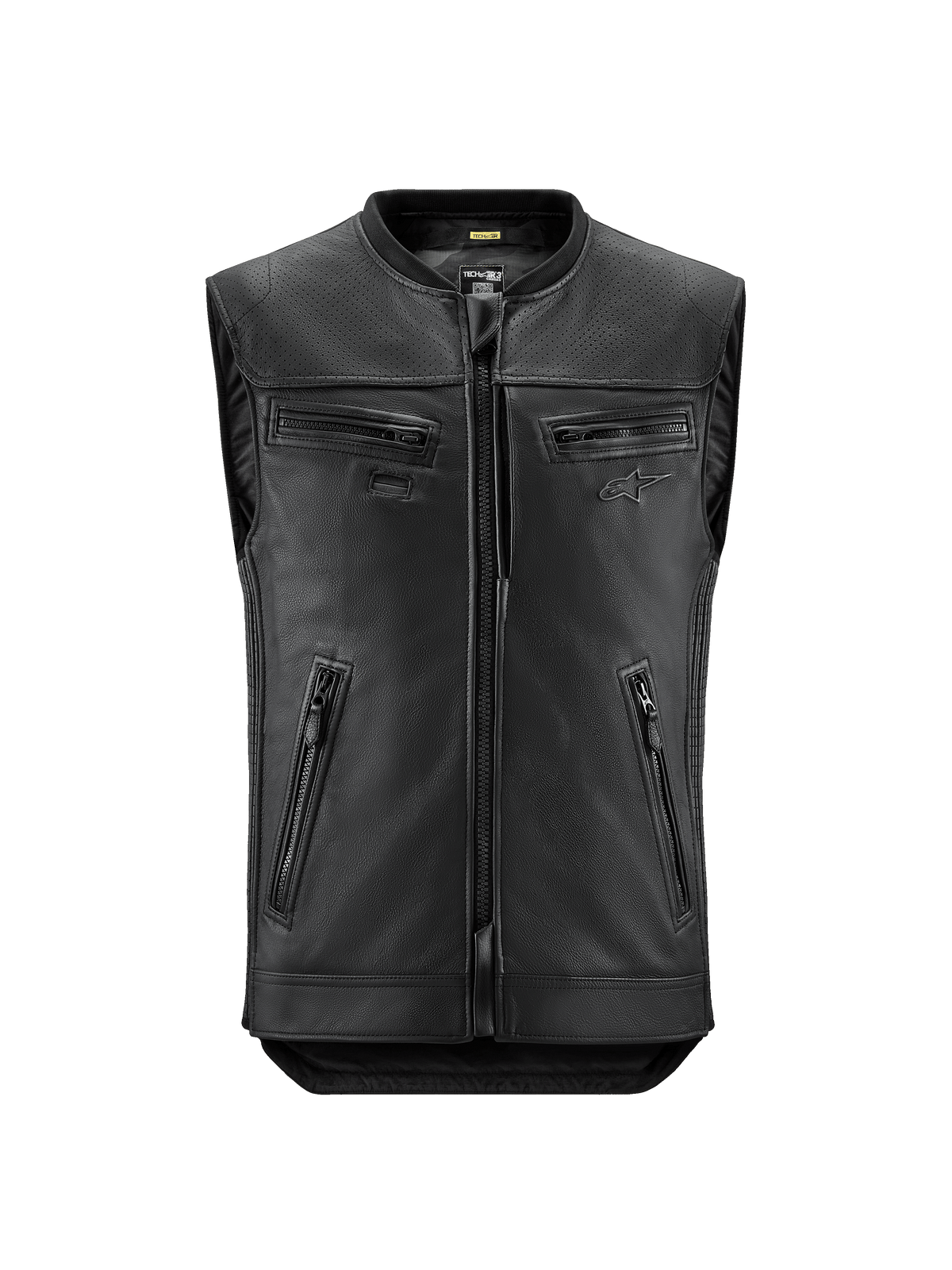
Tech-Air® 3 V2 Leather System -
Nucleon Plasma Full Chest Protector Hook and Loop -
Nucleon Plasma Full Chest Protector Insert -
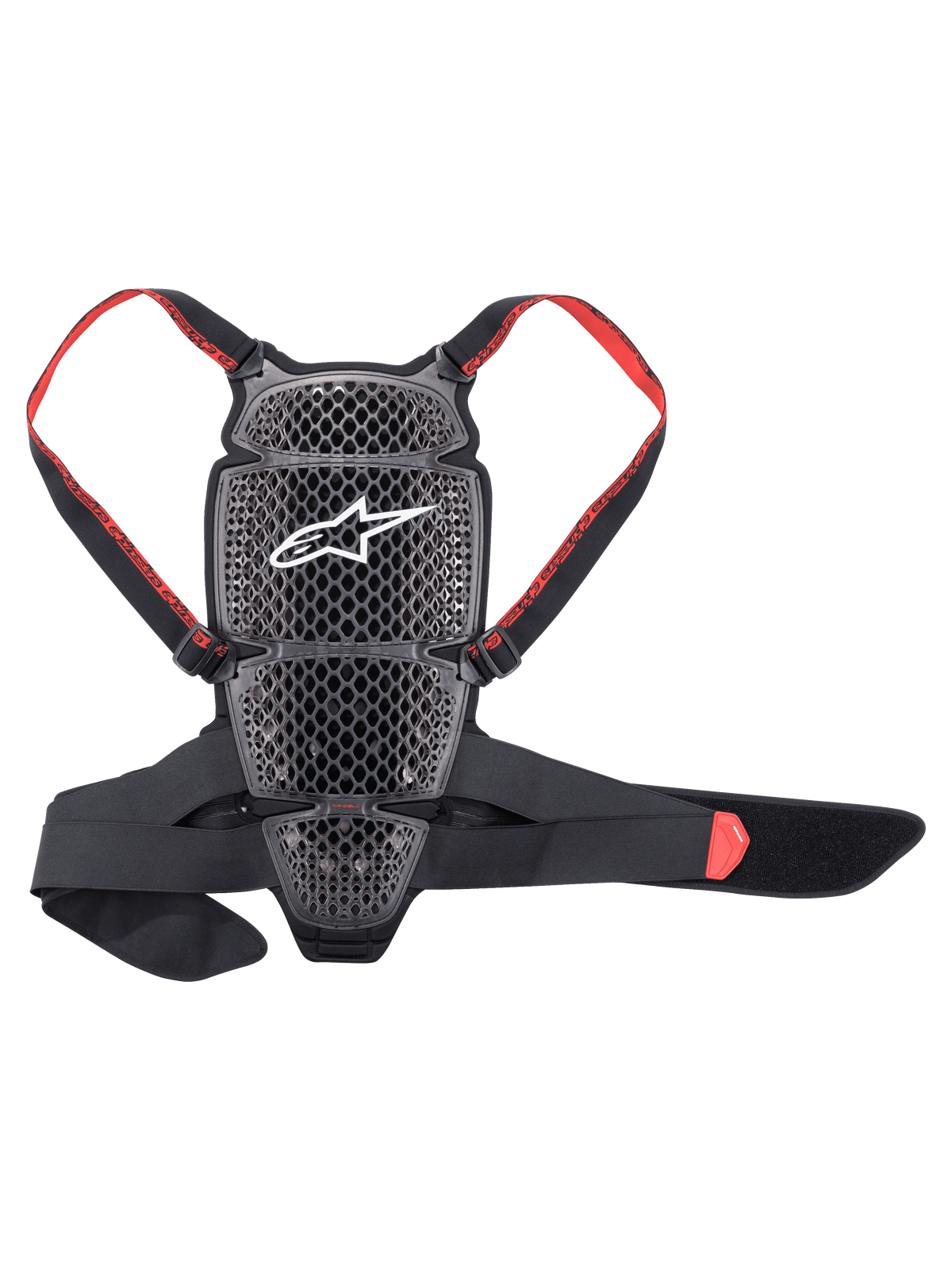
Nucleon KR-1 Cell Back Protector -
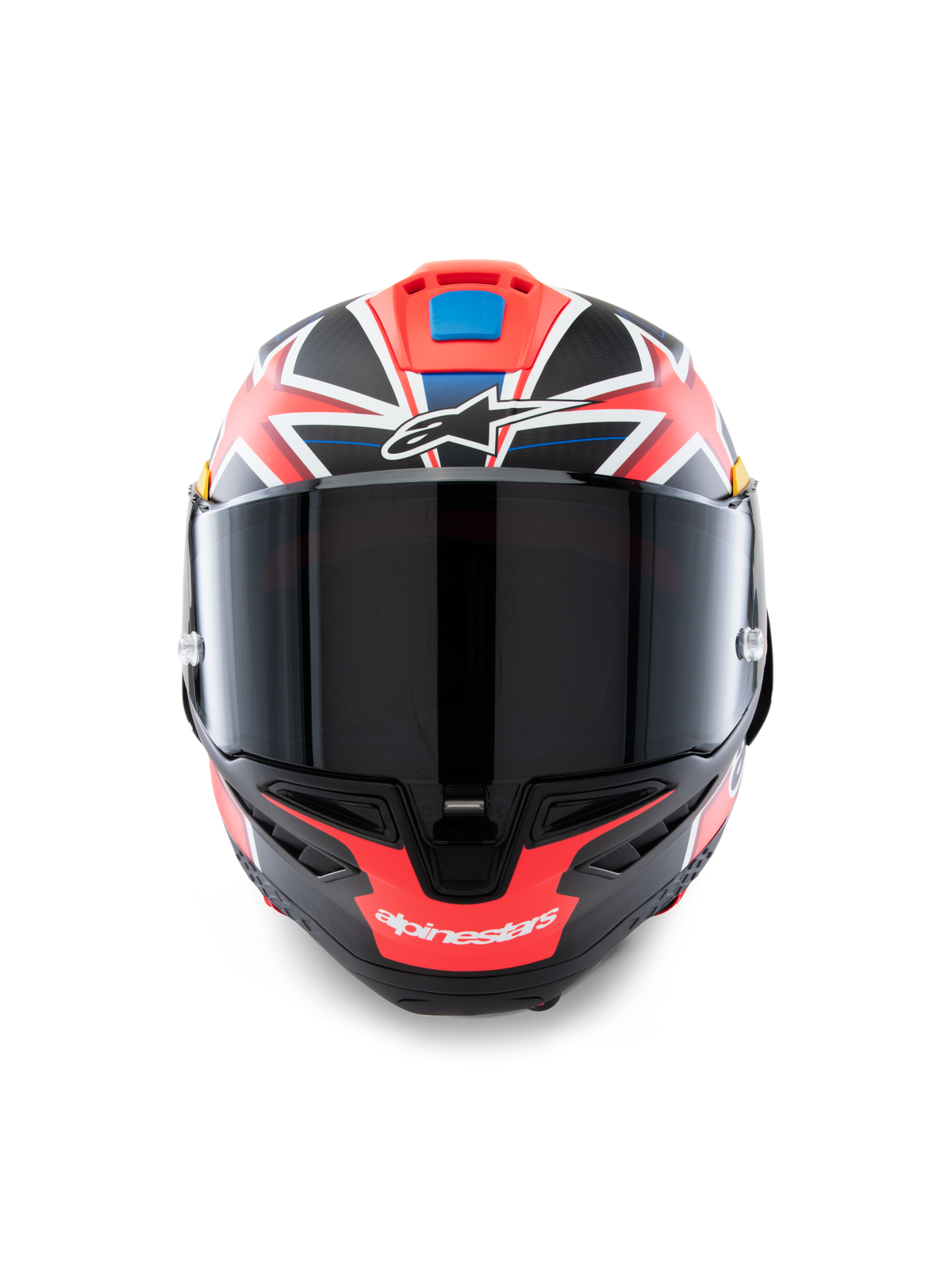
Supertech R10 Miller Limited Edition Helmet -
Supertech R10 Arius Helmet -
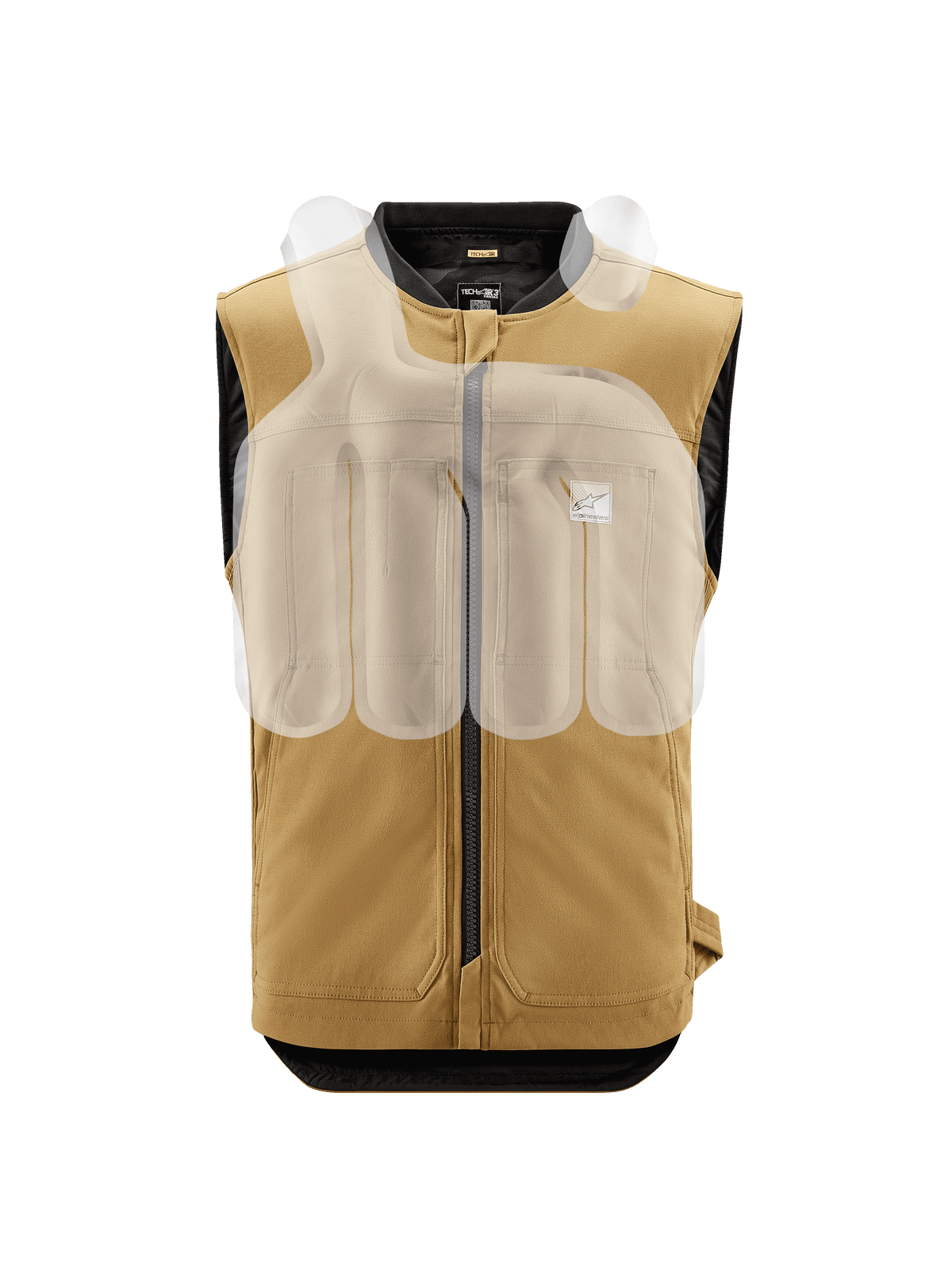
Tech-Air® 3 V2 Canvas System -
Tech-Air® 5 System -
Supertech R10 Arius Helmet -
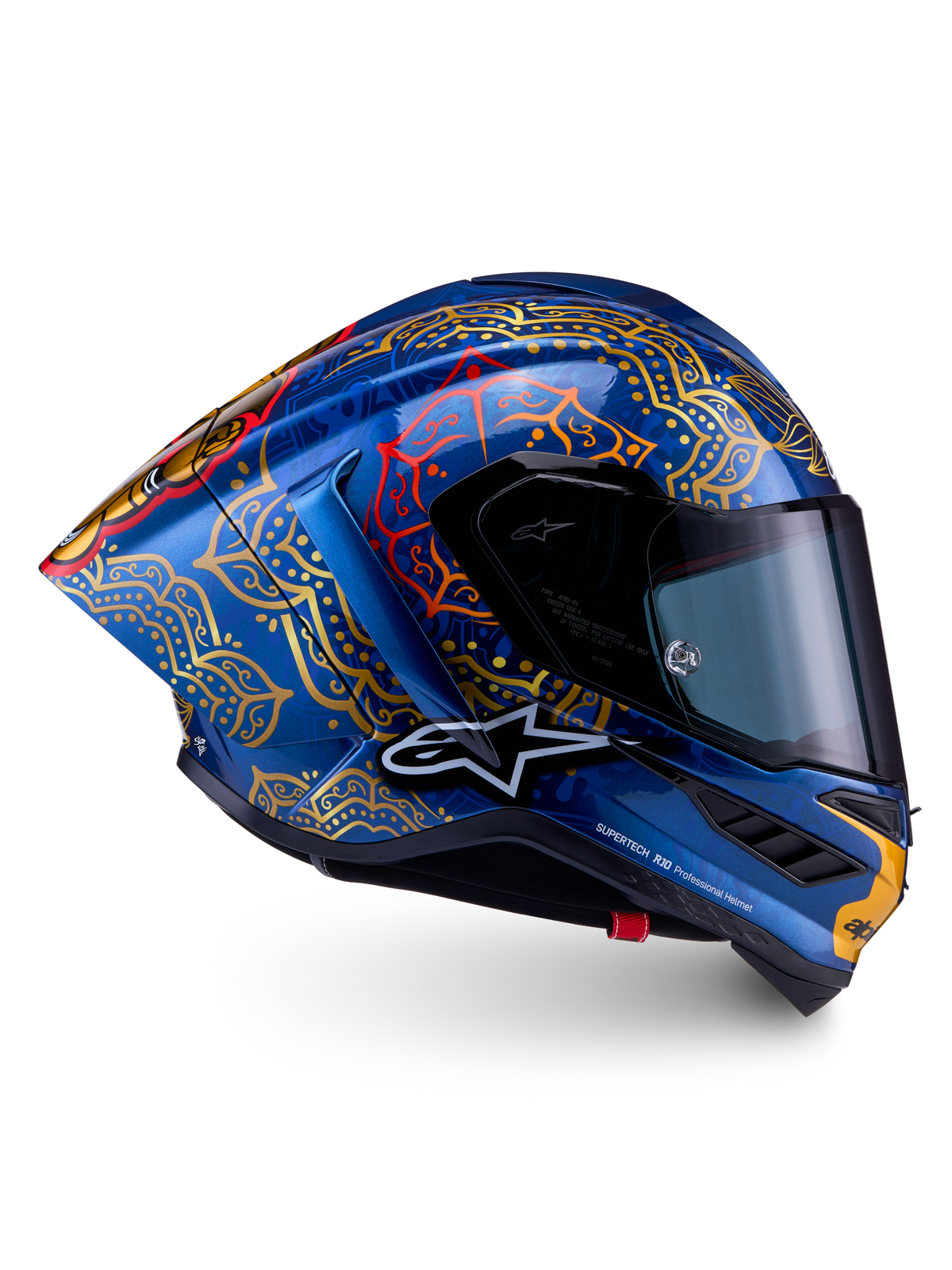
Limited Edition Supertech R10 Martinator Thai Helmet -
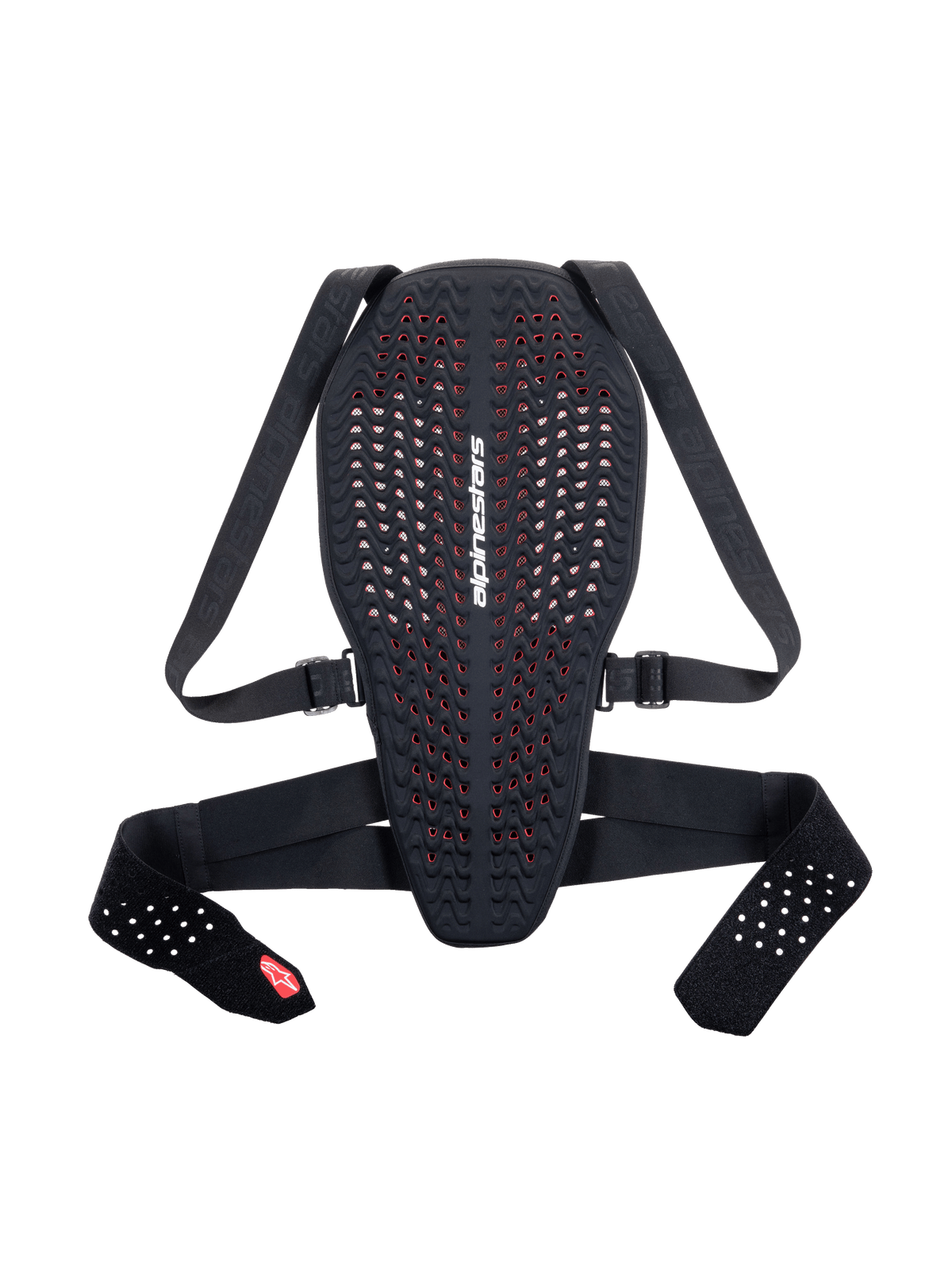
Nucleon Plasma Back Protector -
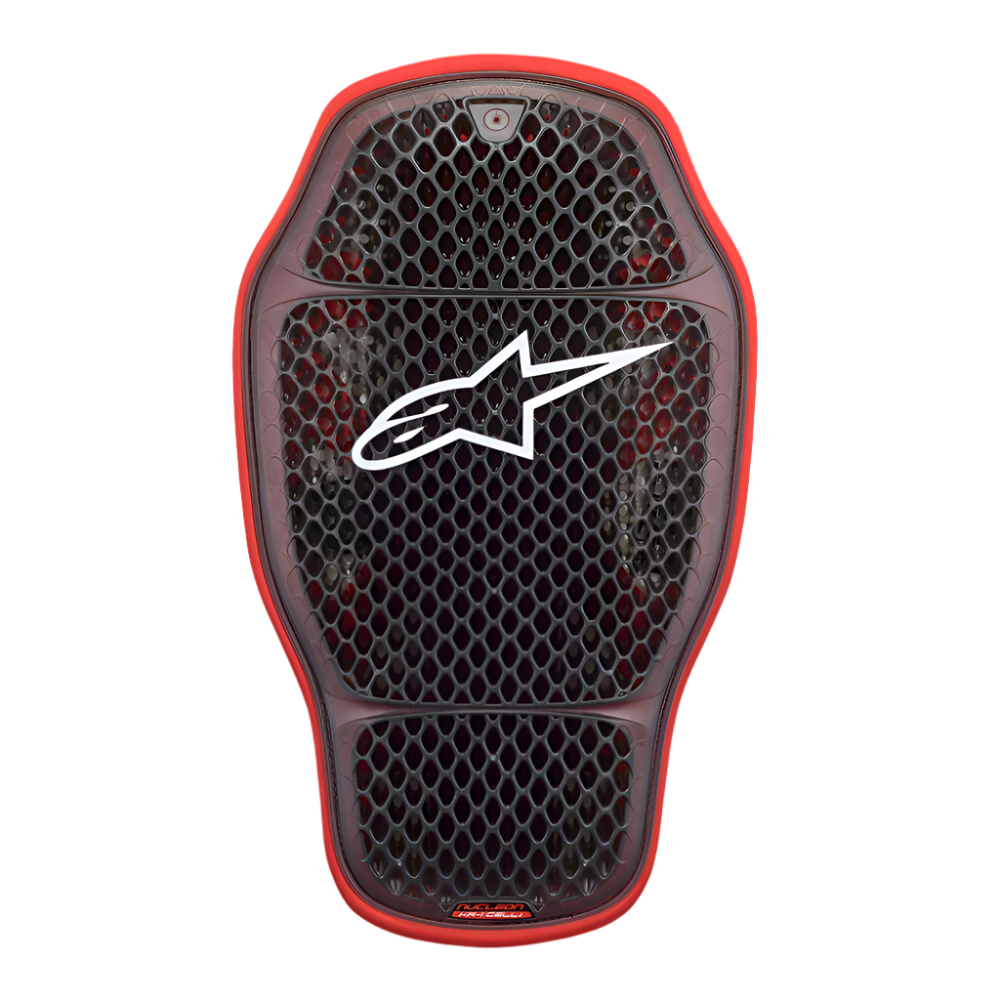
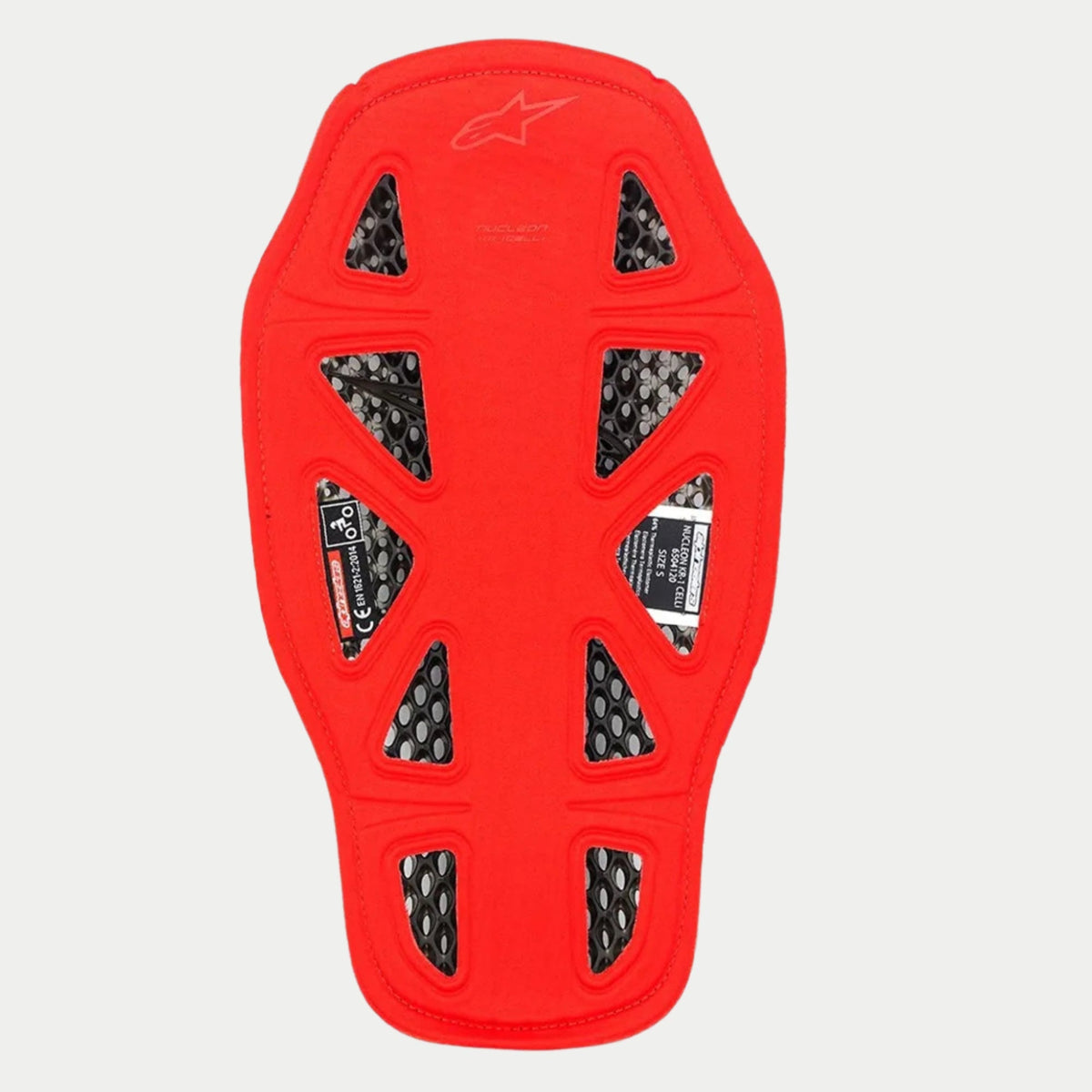
Nucleon KR-1 CELLi Back Protector -
Nucleon Kr-Cell Protector -
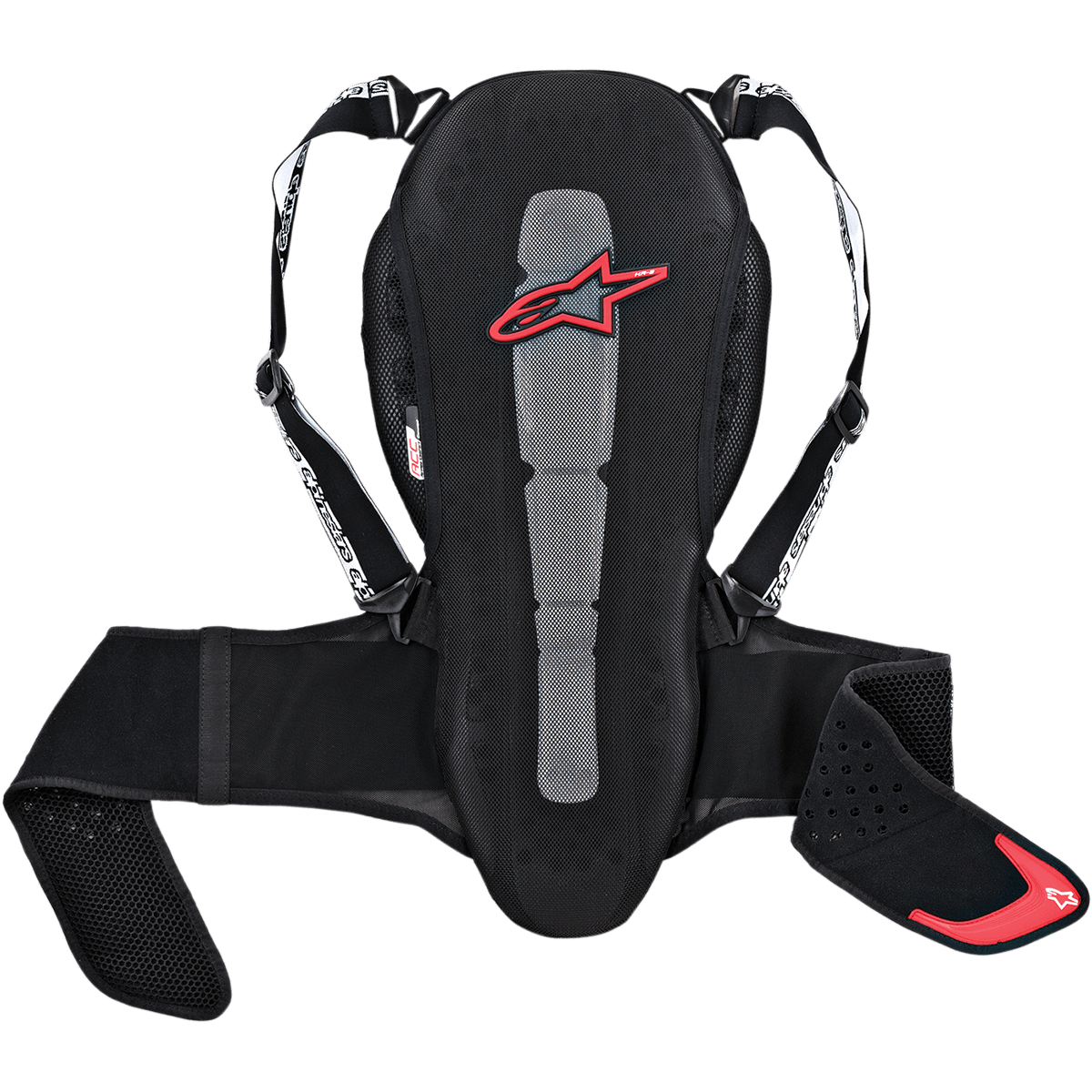
Nucleon Kr-2 Back Protector -
Nucleon Kr-3 Back Protector -
Nucleon Kr-2 Back Protector -
Nucleon Flex Pro Full Back Protector Insert -
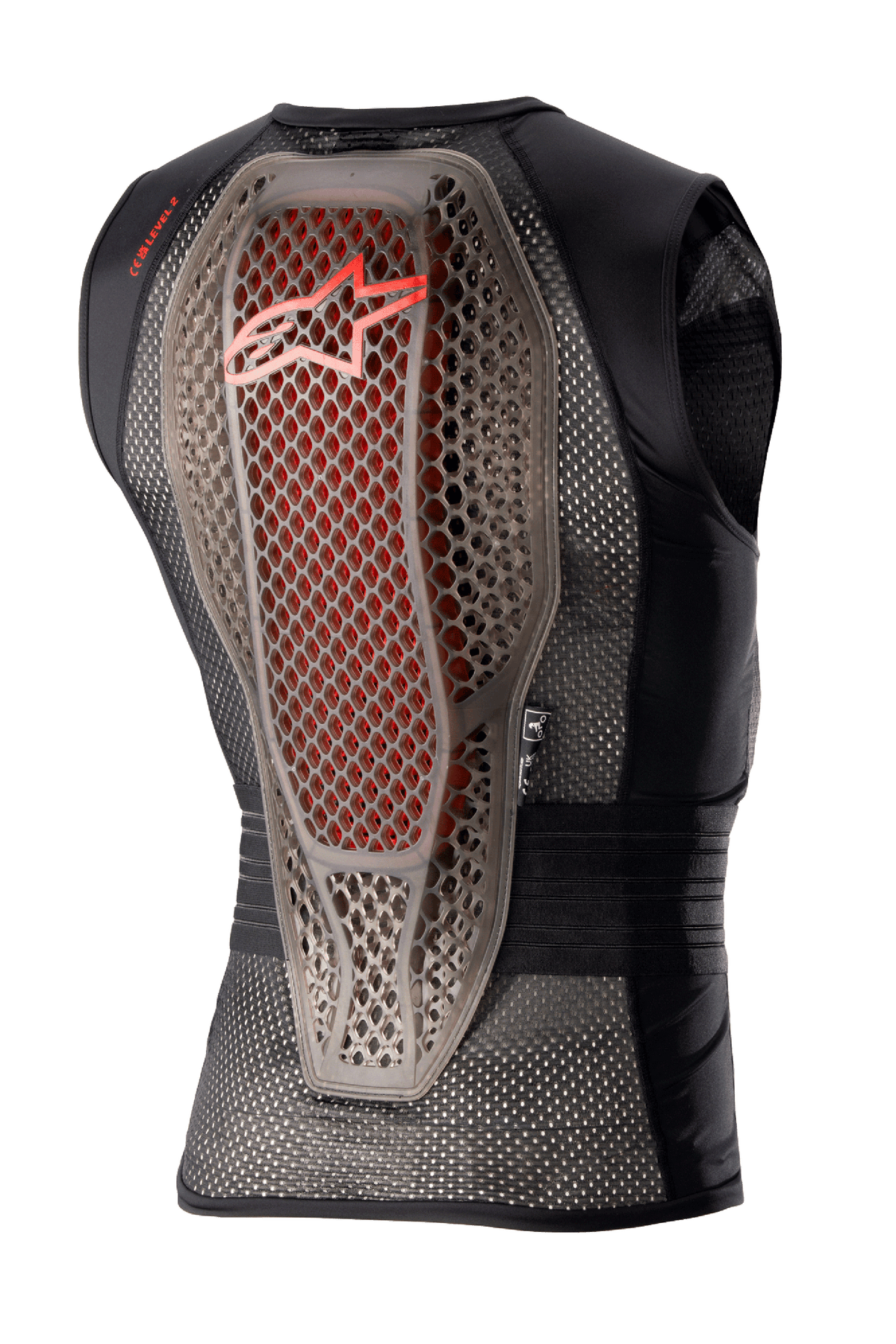
Nucleon Flex Pro Protection Vest -
Nucleon Kr-C Chest Harness -
Nucleon Kr Cell Ci S






































Frequently asked questions Hide FAQs
What types of motorcycle protectors are available in this collection?
This collection includes a comprehensive range of CE-certified protection solutions for motorcyclists across all disciplines. You'll find back protectors, chest protectors, shoulder and elbow armor, knee and shin guards, and hip protection designed for both street and off-road riding. Many protectors feature modular designs that integrate with Alpinestars jackets and pants, while standalone options offer versatile protection for any riding gear setup.
How do I choose the right motorcycle protector for my riding style?
Selecting the appropriate protector depends on your primary riding discipline and impact risk profile. Sport and track riders typically prioritize low-profile, aerodynamic chest and back protectors with high CE ratings. Adventure and touring riders benefit from comprehensive protection systems that accommodate varied terrain and extended wear comfort. Off-road and motocross riders require robust, ventilated armor designed for high-impact scenarios and extreme movement.
Consider whether you need standalone protectors or armor inserts compatible with your existing gear. Many Alpinestars jackets and pants feature pockets designed for specific armor shapes and CE levels, ensuring optimal fit and protection positioning.
What do CE certification levels mean for motorcycle protectors?
CE certification indicates that a protector meets European safety standards for impact protection. CE Level 1 armor provides baseline protection suitable for general street riding, while CE Level 2 offers enhanced impact absorption for higher-risk riding environments like track days and aggressive sport riding. Back protectors carry separate ratings: CE Level 1 back protectors and CE Level 2 back protectors, with Level 2 providing superior coverage and impact resistance.
Alpinestars engineers all protectors to meet or exceed these standards, with many products incorporating advanced materials like viscoelastic foam and composite shells that adapt to impacts while maintaining flexibility during normal riding.
Can motorcycle protectors be worn under regular clothing?
Yes, many protectors in this collection are designed for low-profile wear under both motorcycle-specific gear and regular clothing. Back protectors with adjustable straps and ergonomic shaping integrate seamlessly under jackets without compromising mobility or comfort. Chest protectors and body armor systems feature breathable, ventilated construction that reduces bulk while maintaining comprehensive coverage.
For urban riders seeking subtle protection, standalone armor pieces offer the flexibility to wear protective equipment with casual or business attire while commuting, without the visual presence of traditional motorcycle gear.
How should I care for and maintain motorcycle protectors?
Proper maintenance extends the protective lifespan and effectiveness of your armor. Most protectors feature removable, washable covers that can be hand-washed with mild detergent and air-dried. The protective elements themselves—typically foam, composite shells, or viscoelastic materials—should be wiped clean with a damp cloth and never submerged or machine-washed, as this can compromise their impact-absorption properties.
Regularly inspect protectors for cracks, deformation, or material degradation, particularly after any impact. Even if damage isn't visible, protectors should be replaced after a significant crash, as internal structure may be compromised. Store protectors in a cool, dry location away from direct sunlight to prevent material breakdown over time.