
1459 results
-
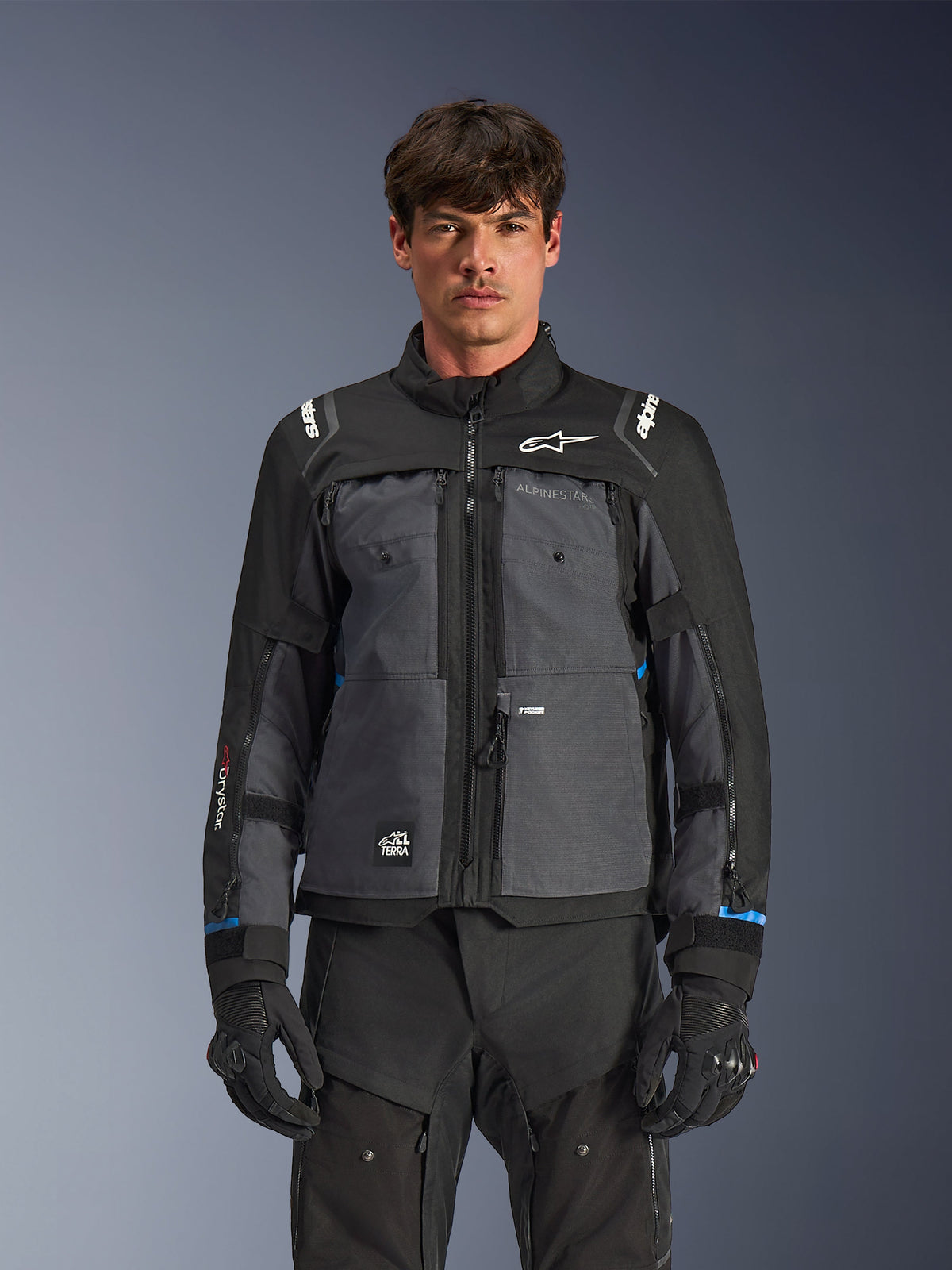
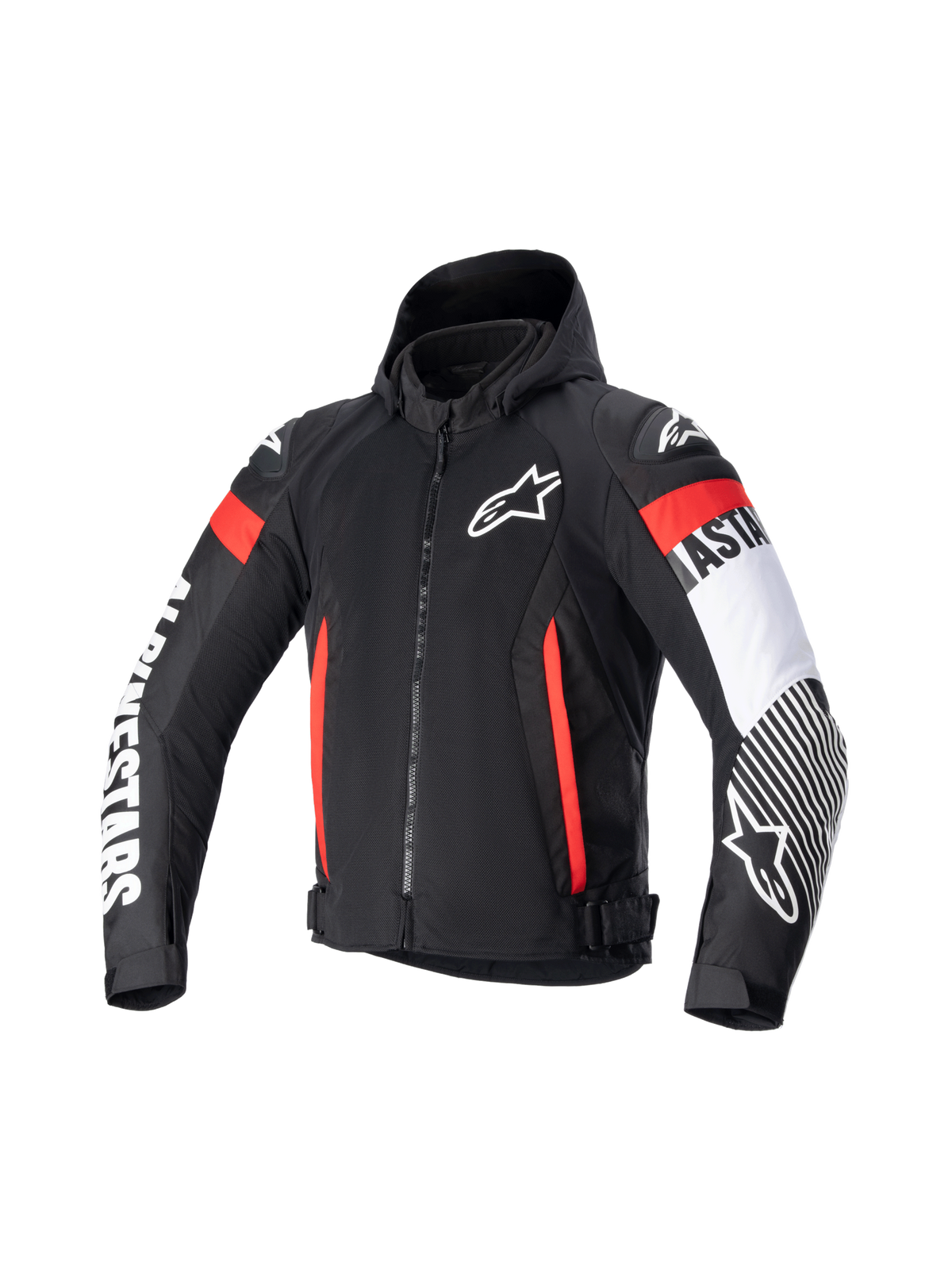
Cusco Drystar® Jacket -
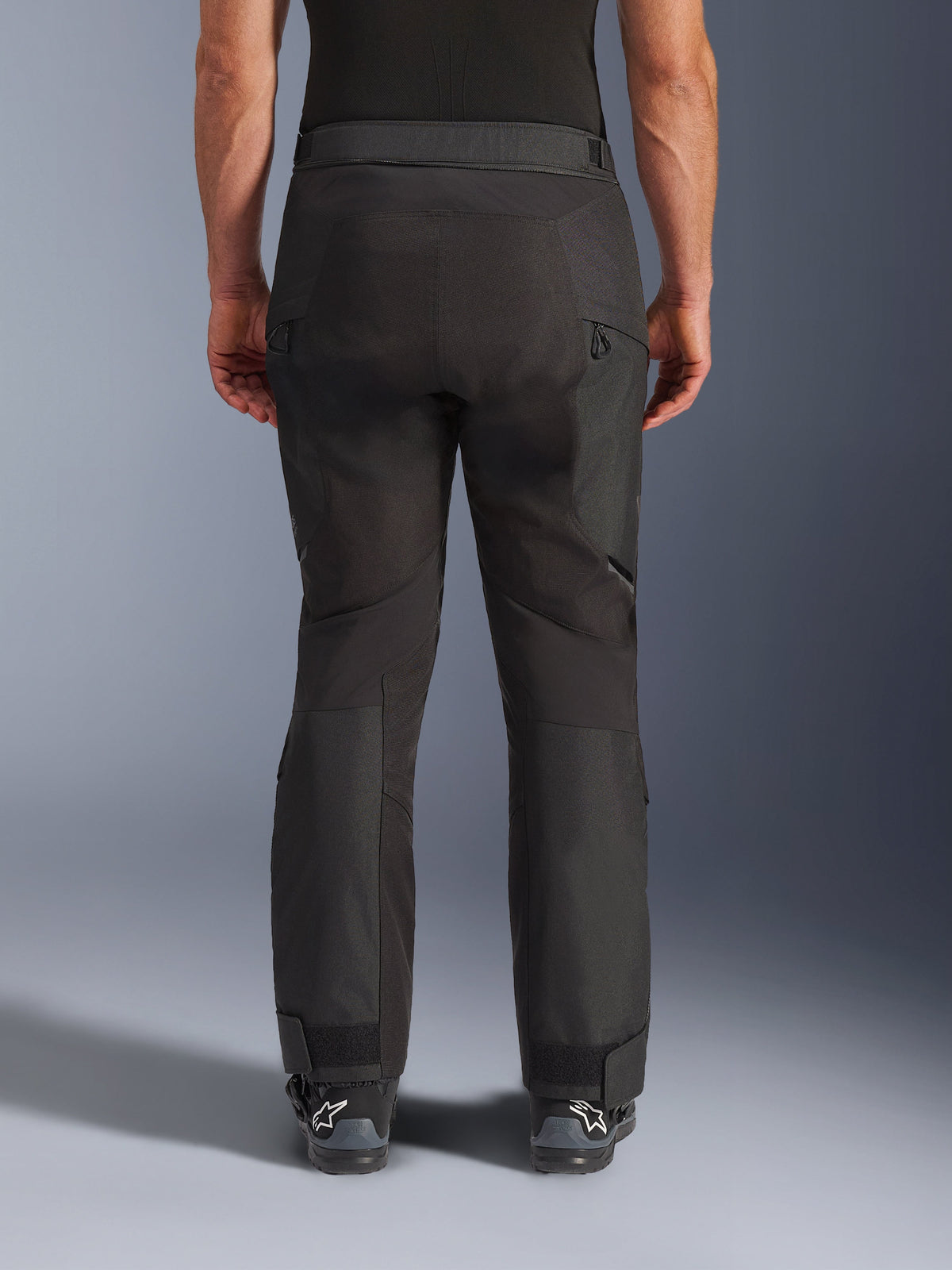
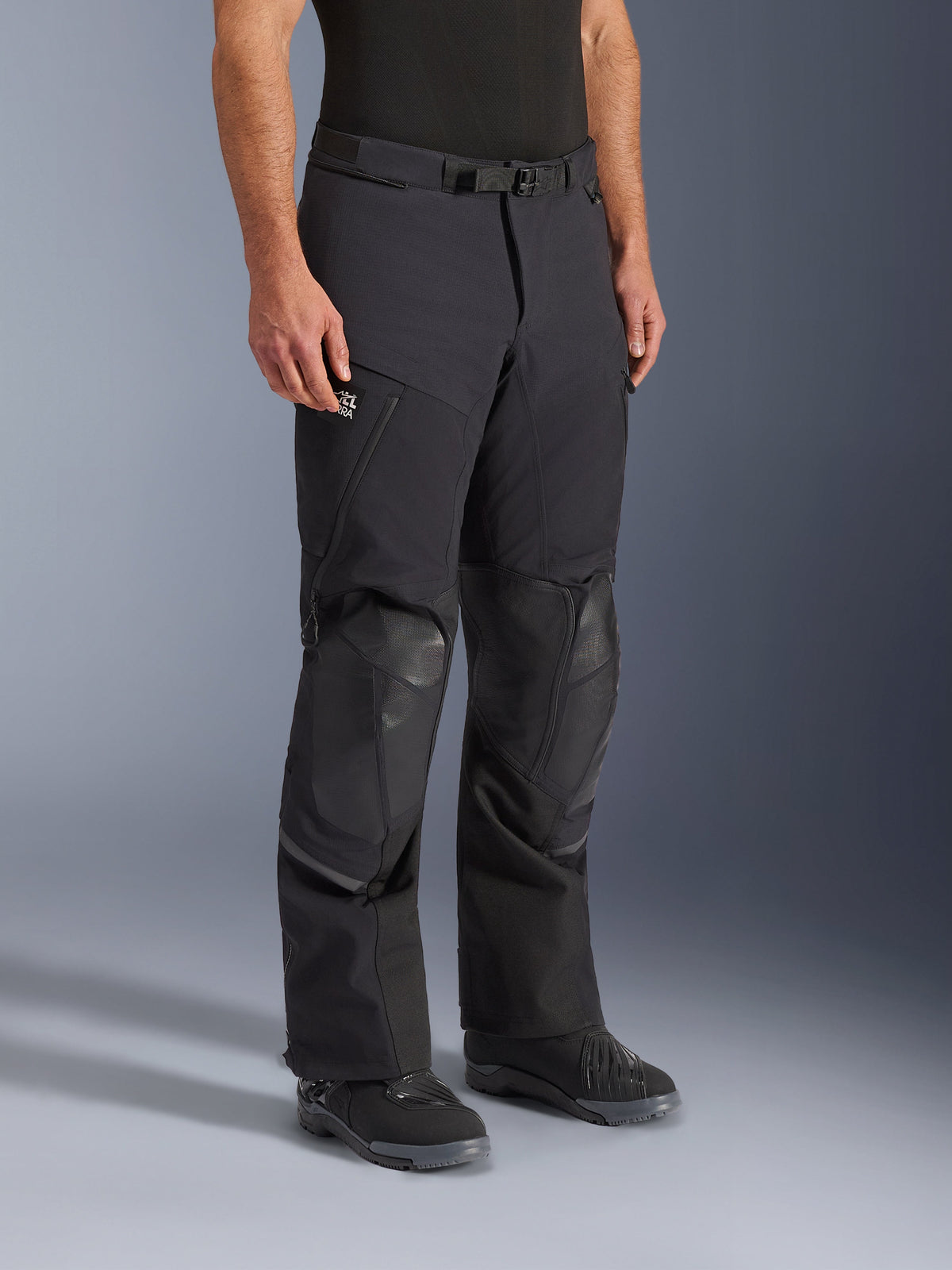
Cusco Drystar® Pants -
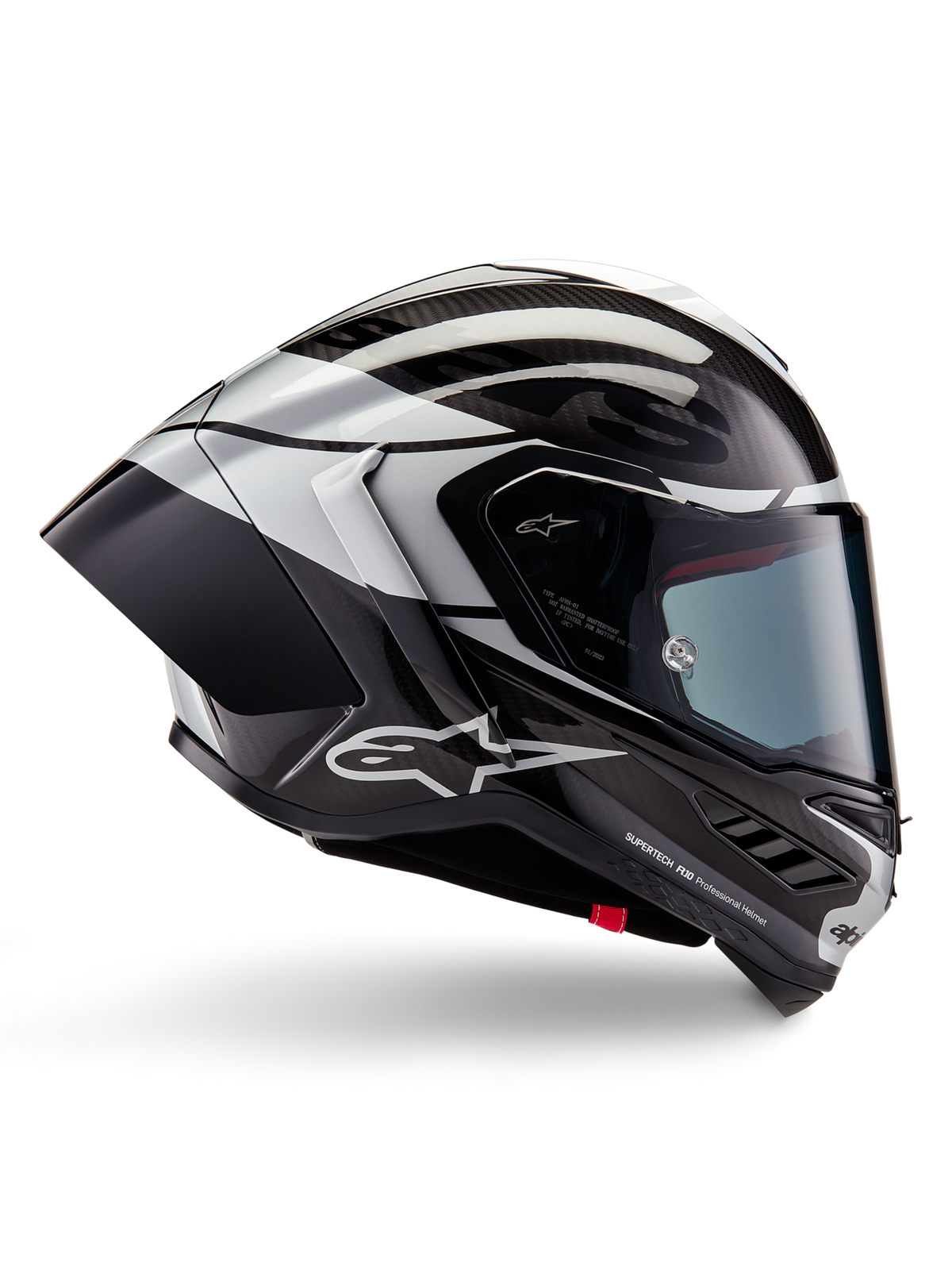
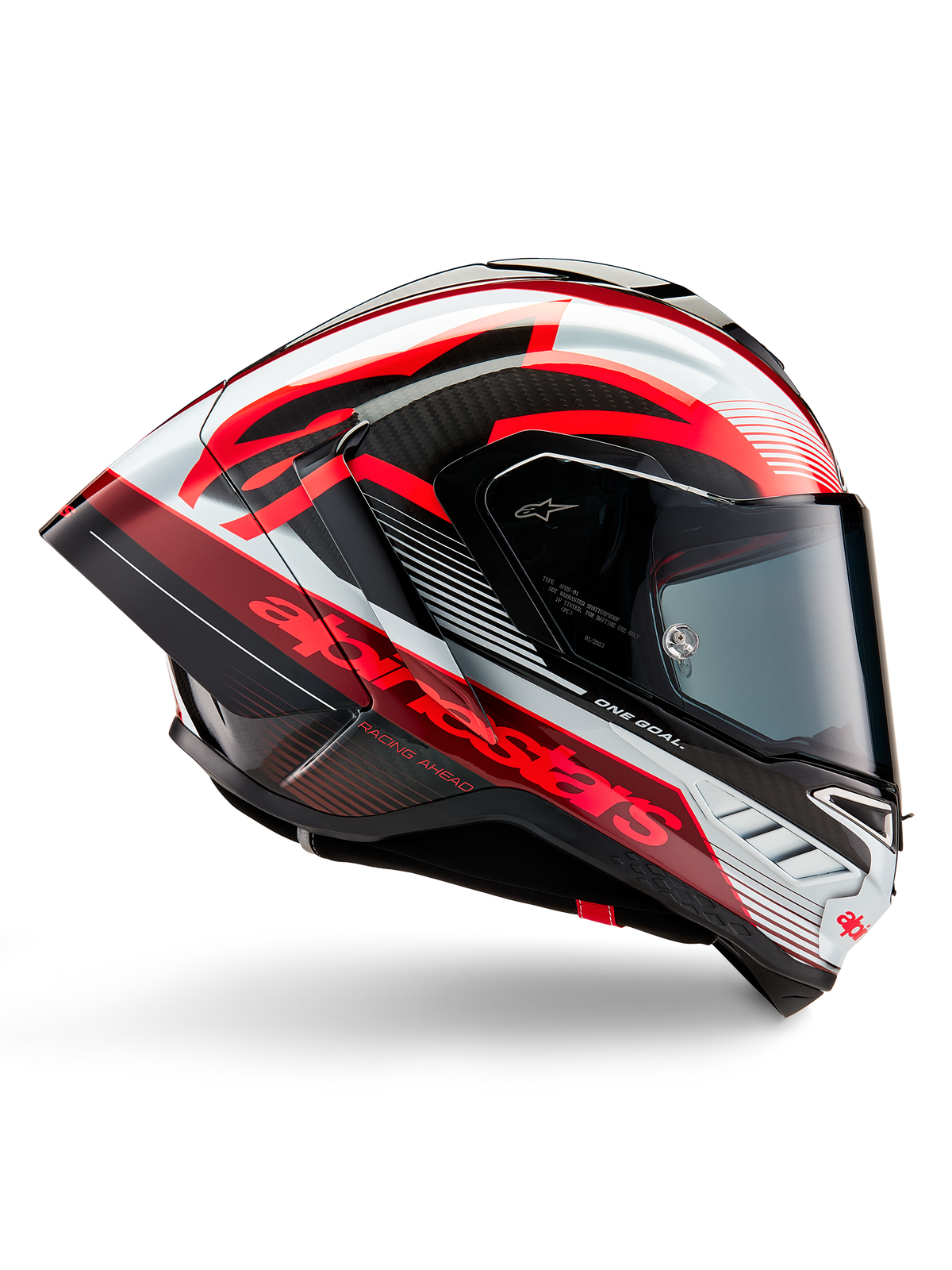
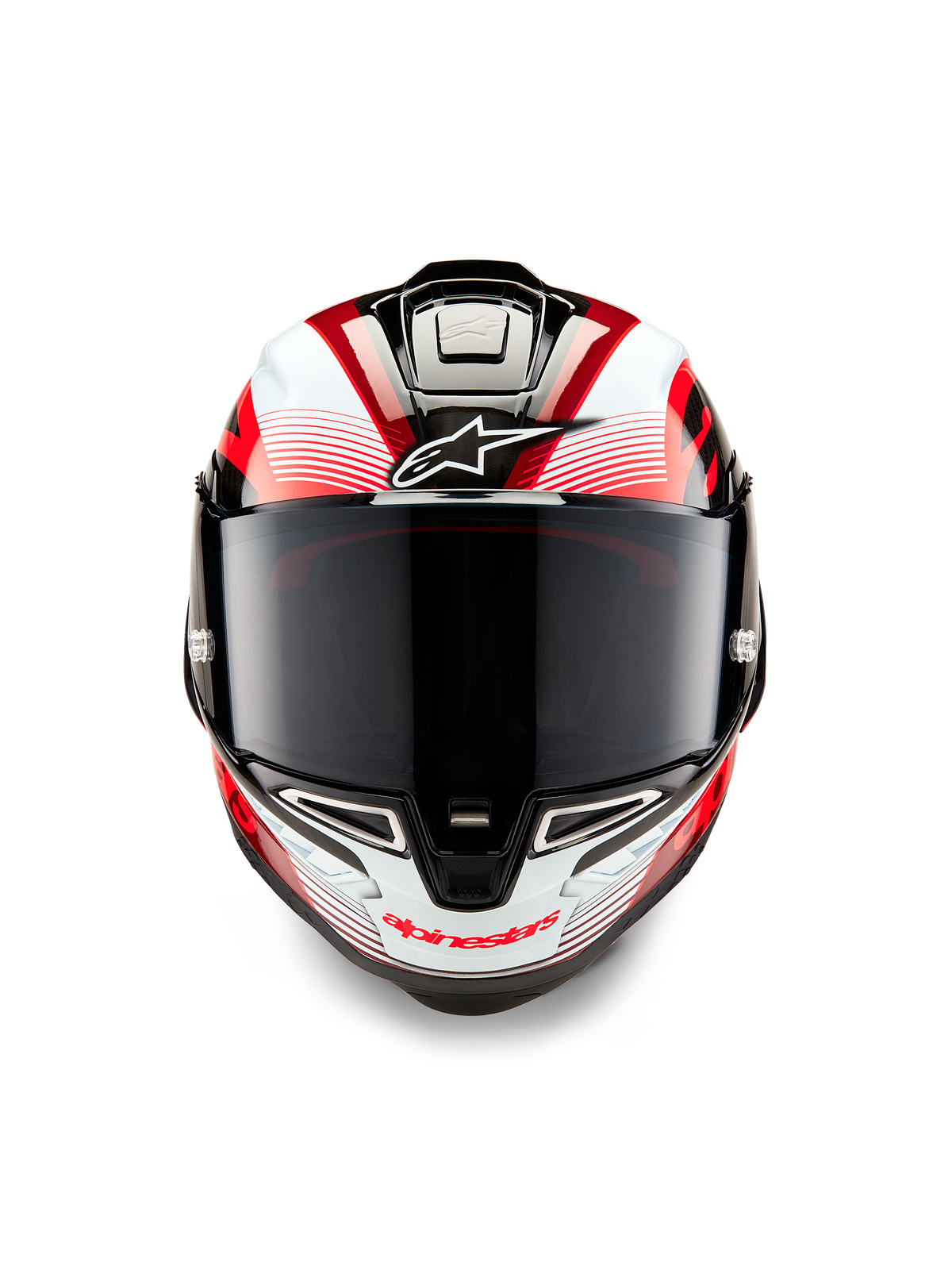
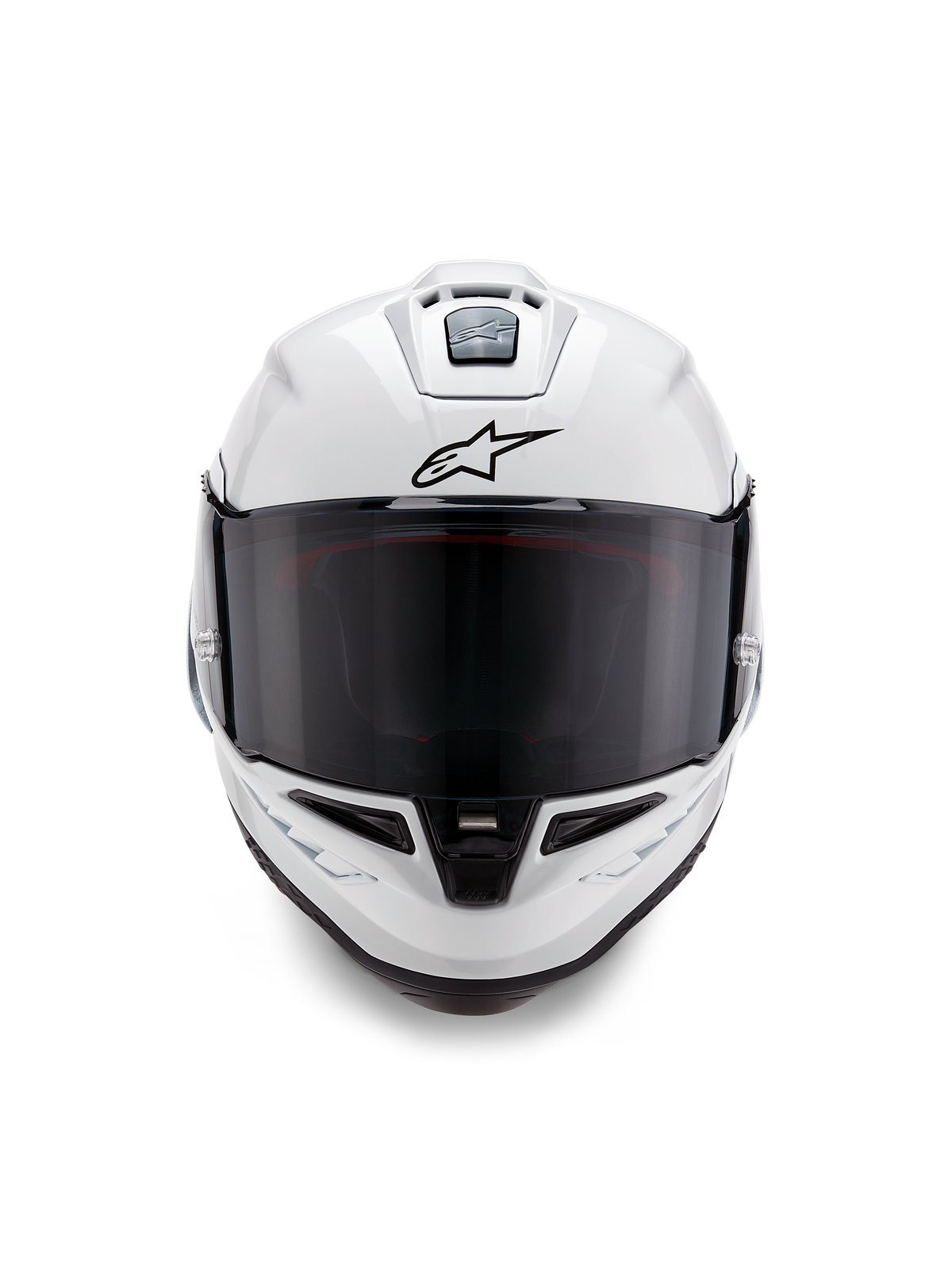
Supertech R10 Solid Helmet -
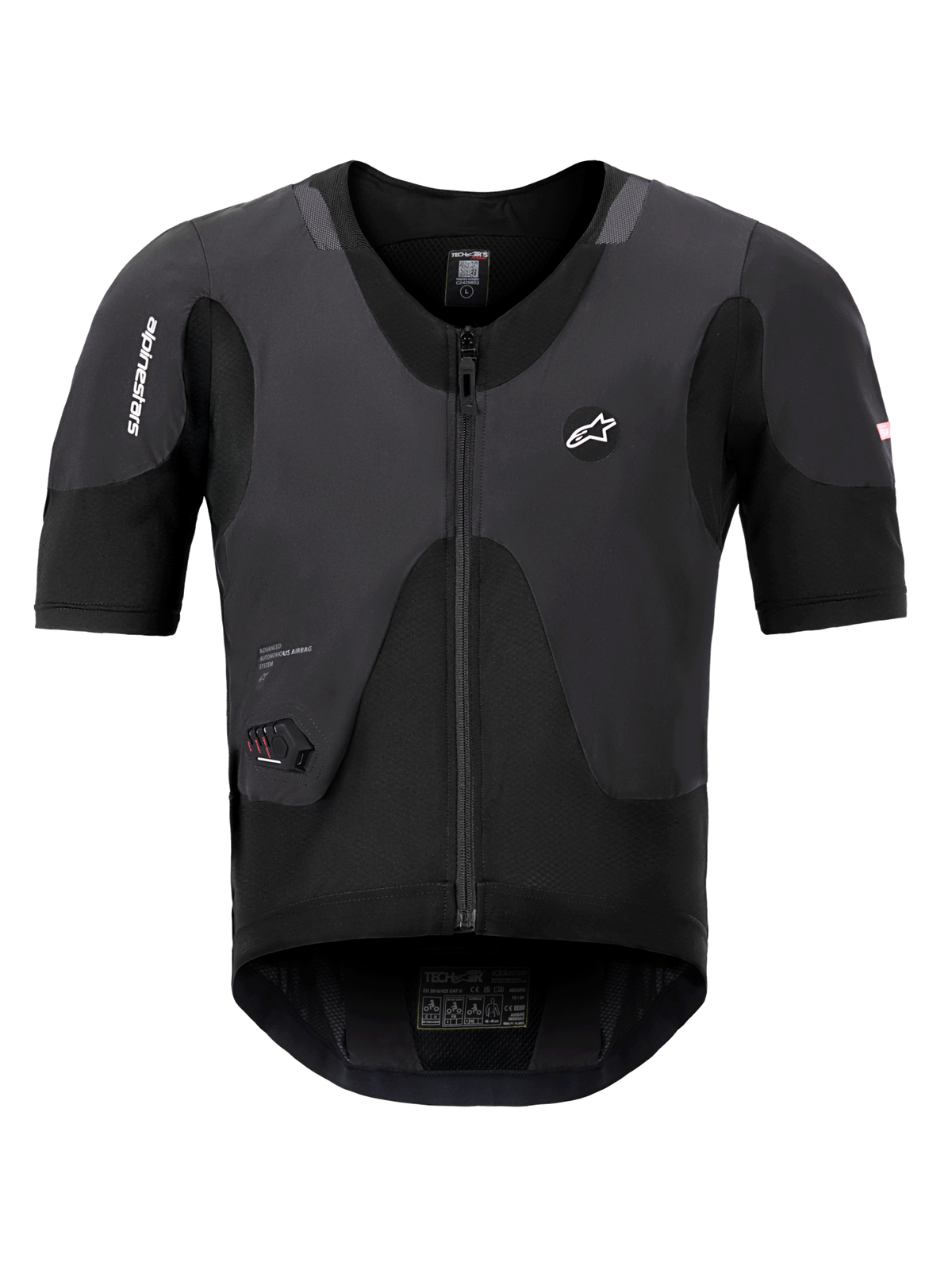
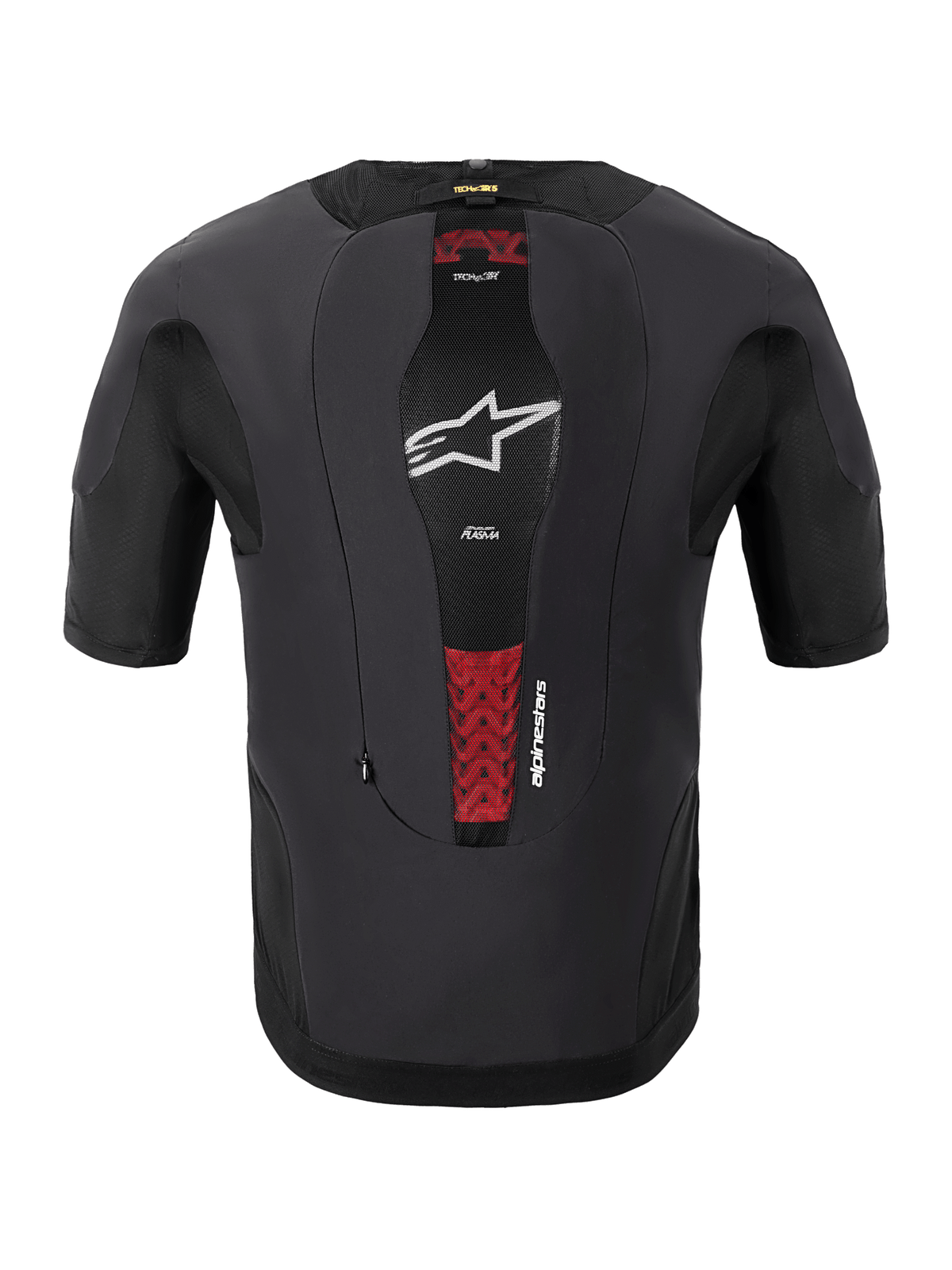
Tech-Air® 5 Plasma System -
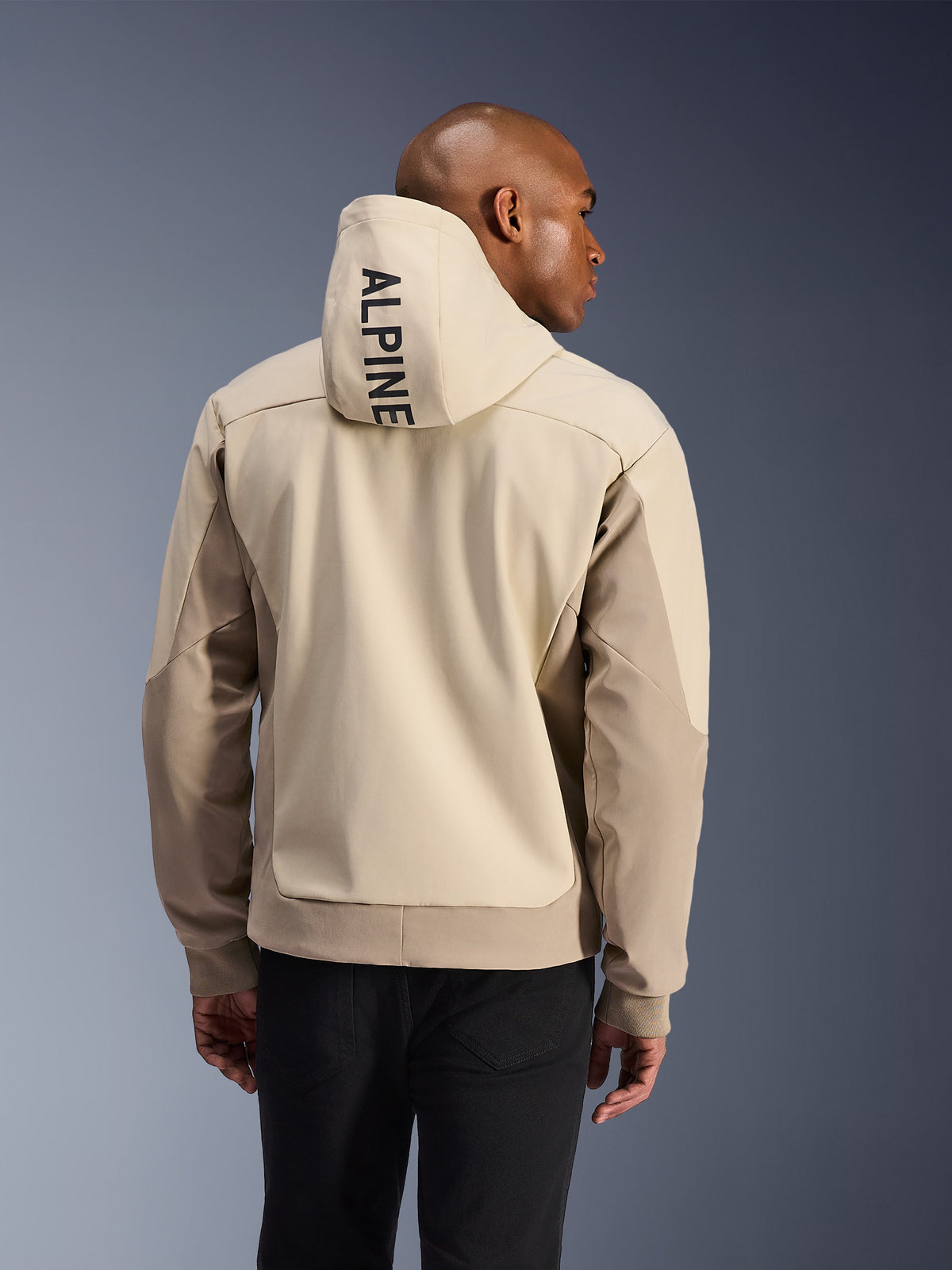
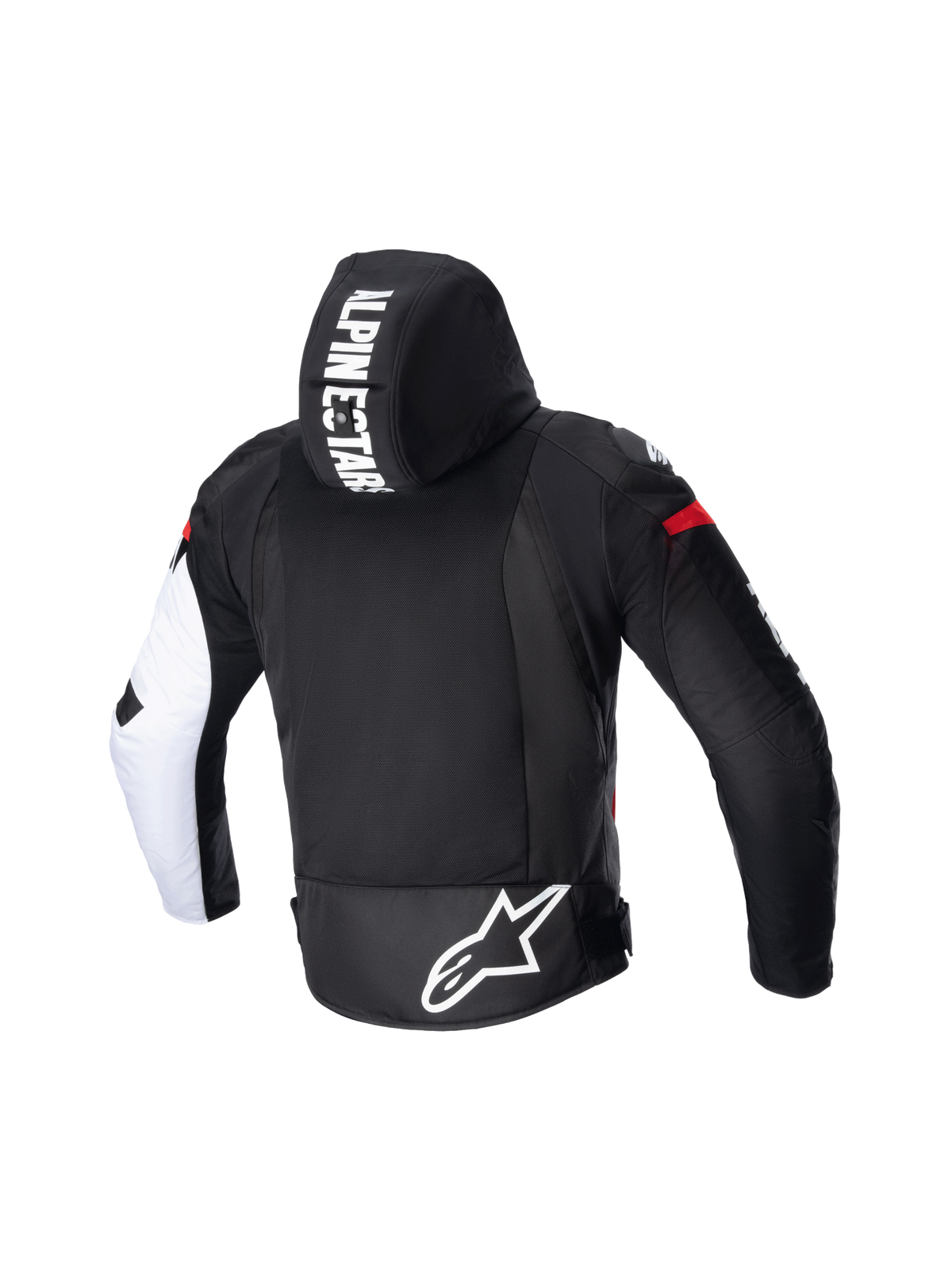
Radium Tech Hoodie -
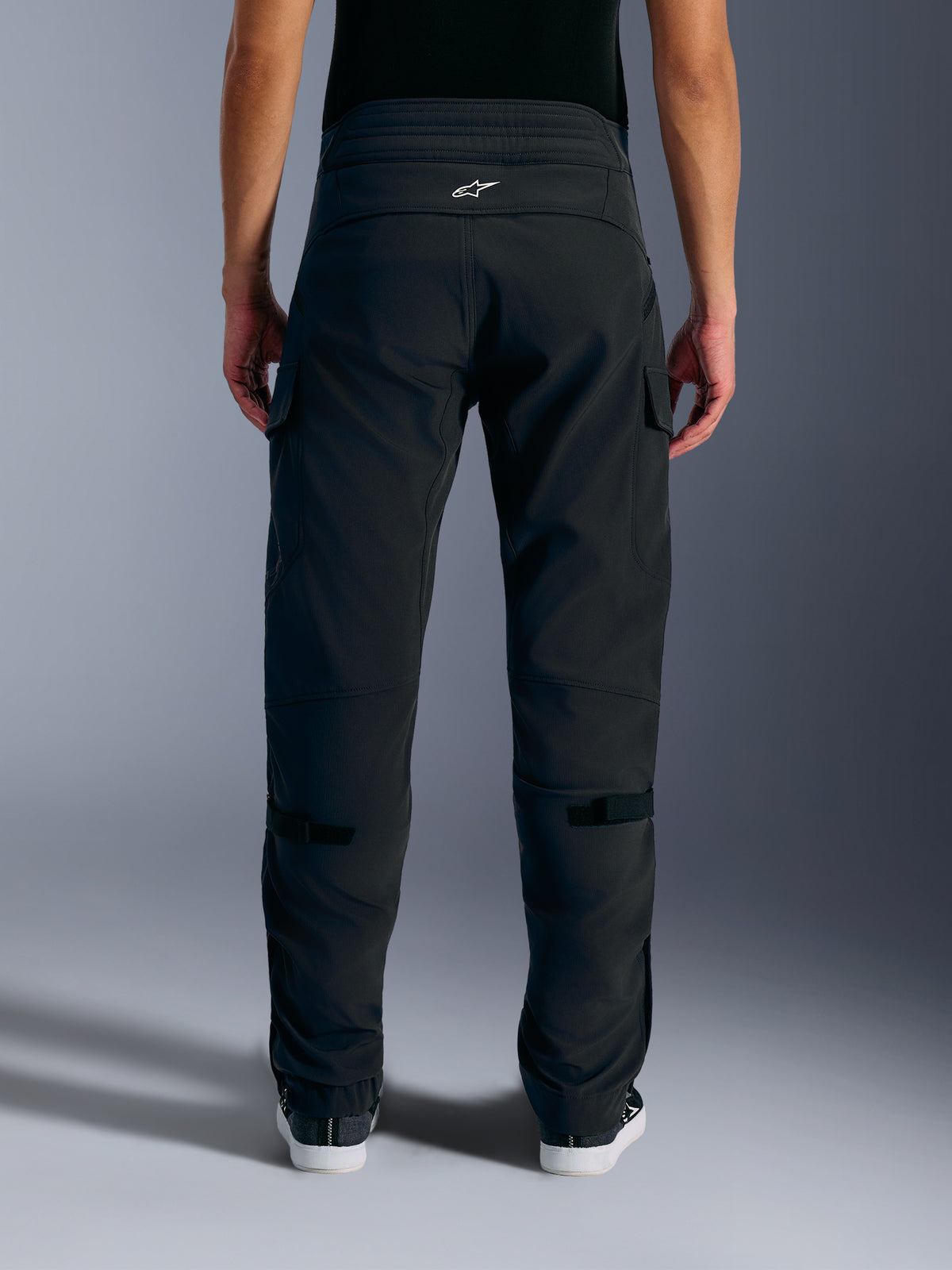
Juggernaut V2 Riding Pants -
Supertech R10 Element Helmet -
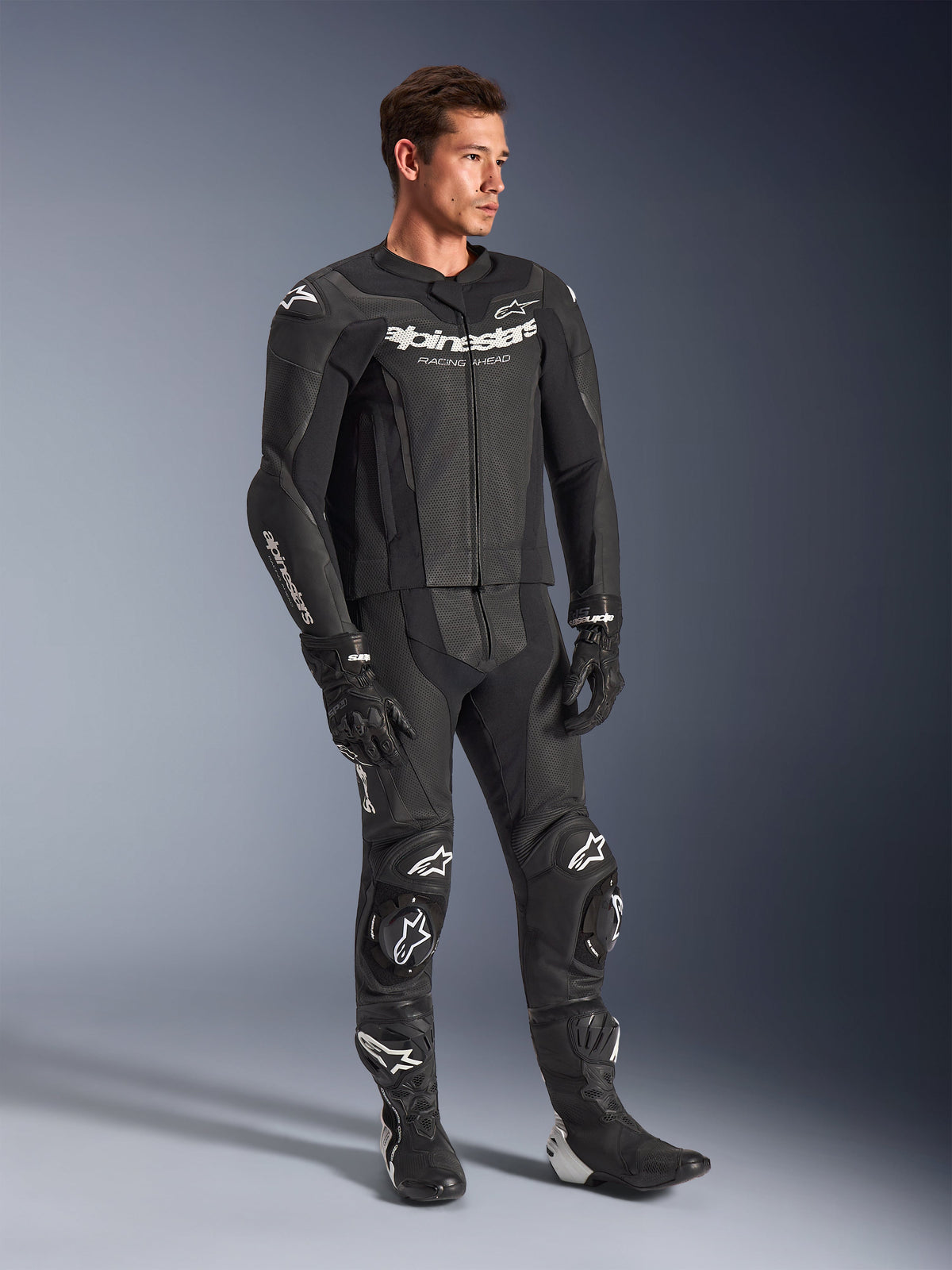
GP Force V2 Leather Suit - 2 Piece -
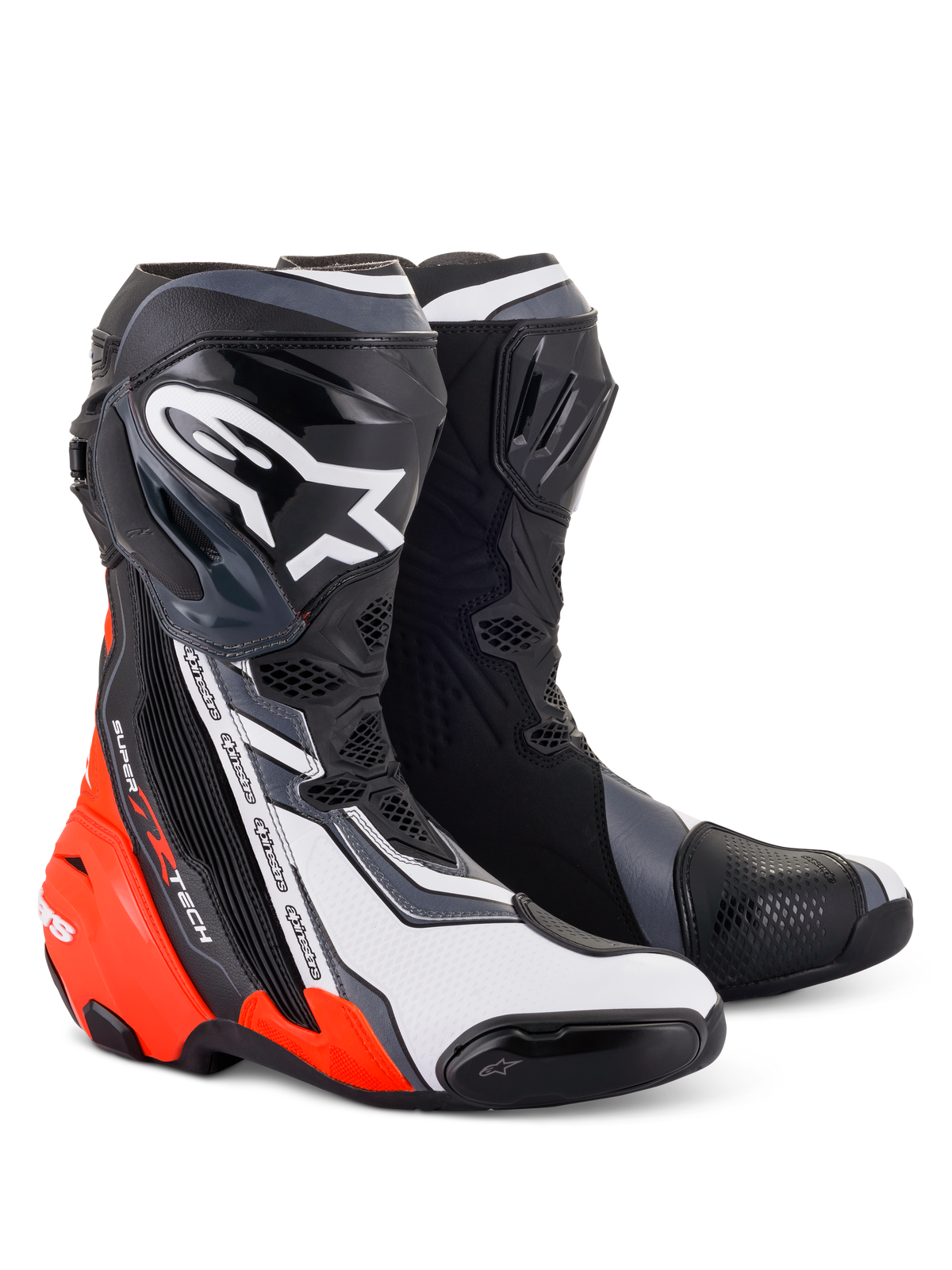
Supertech R Boots -
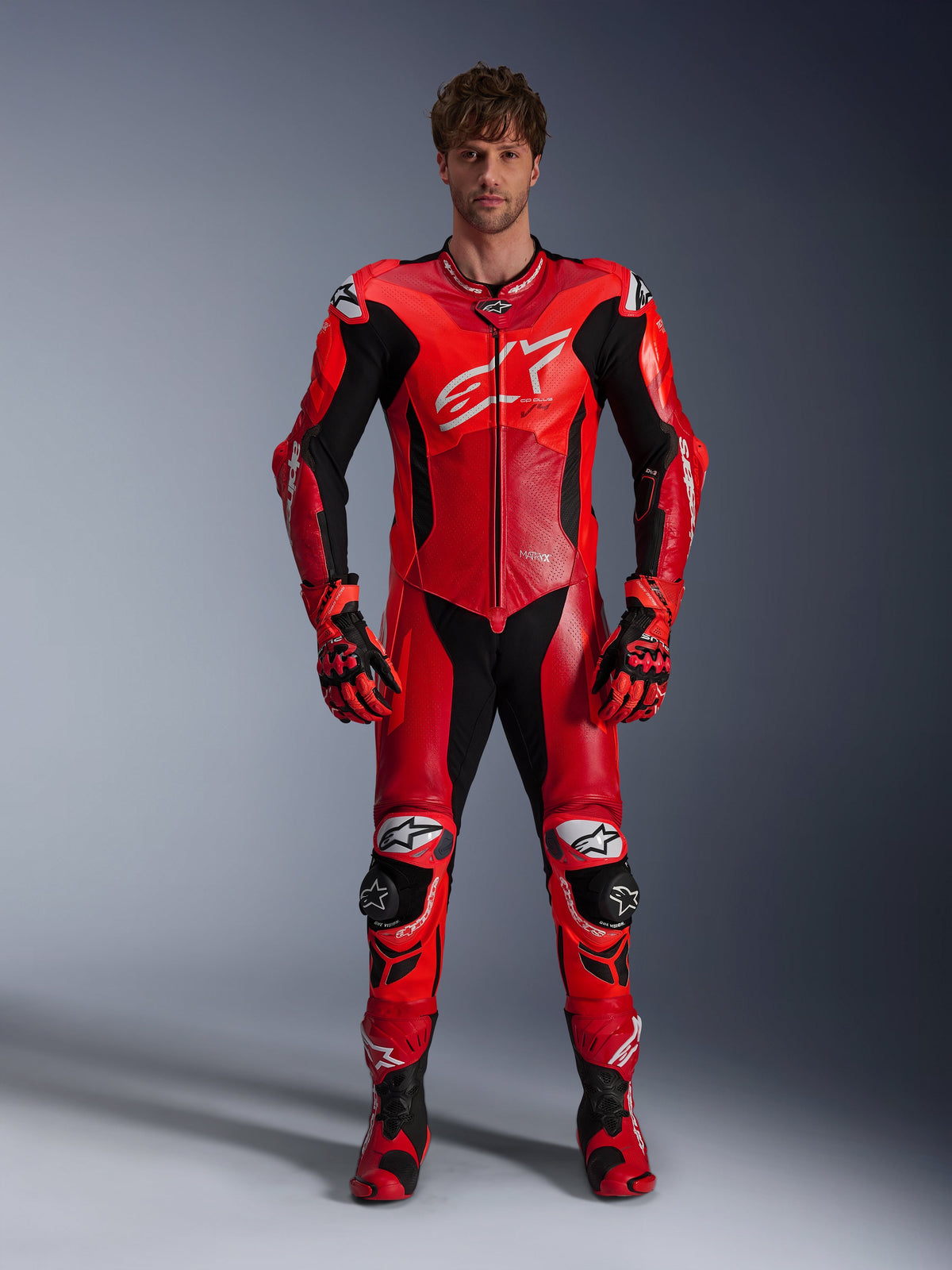
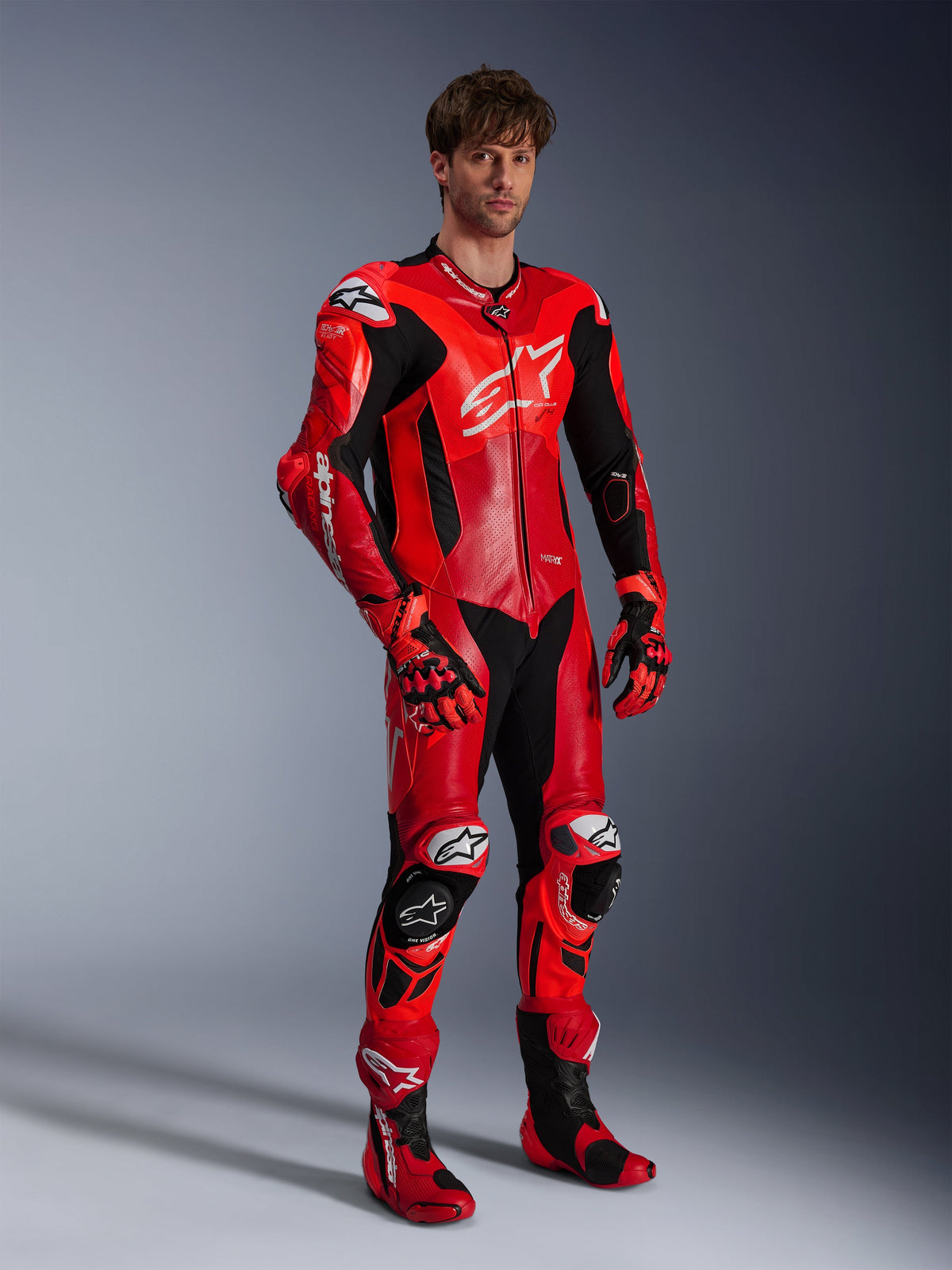
Gp Plus V4 Sprint Leather Suit - 1 Piece -
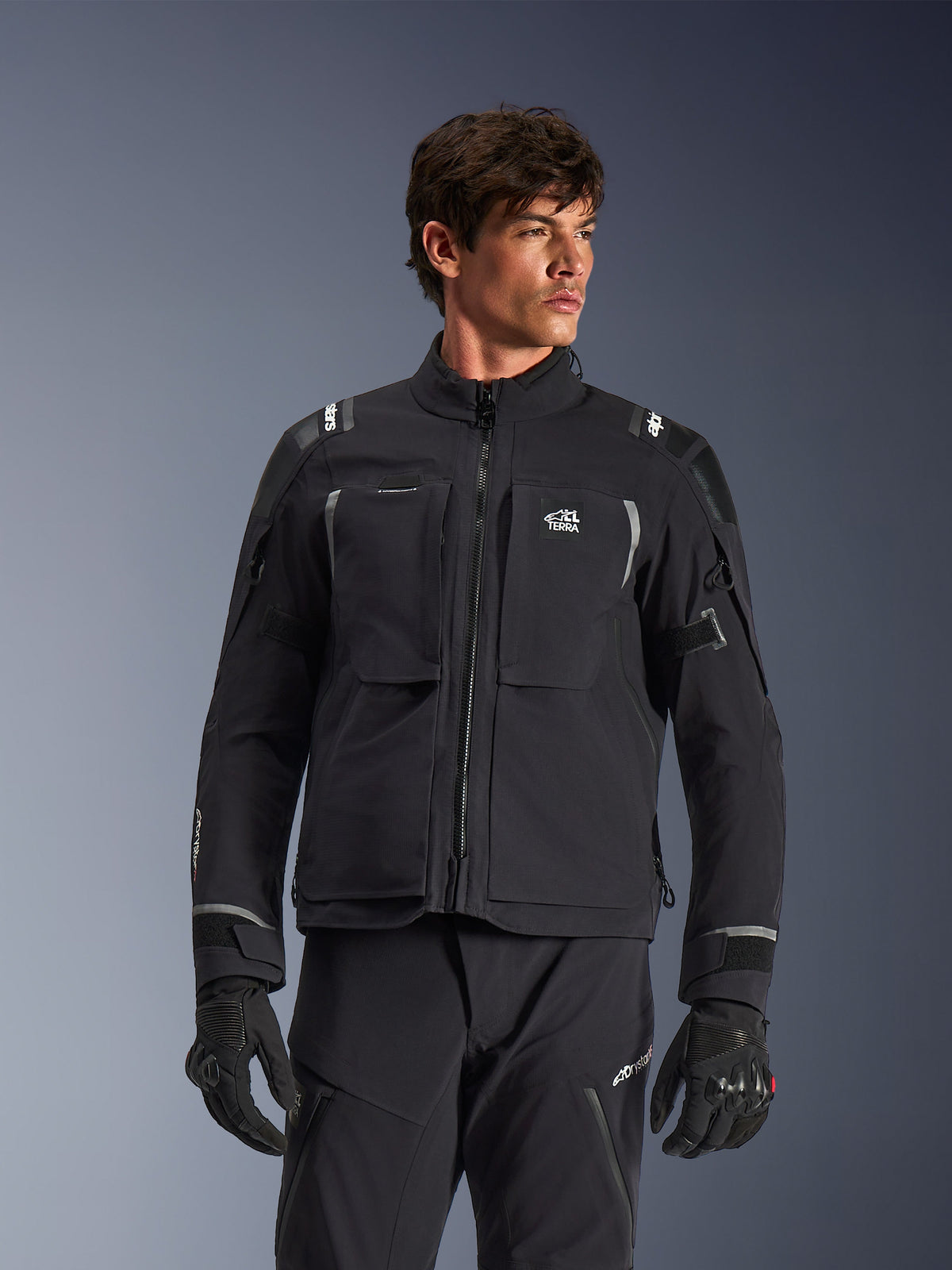
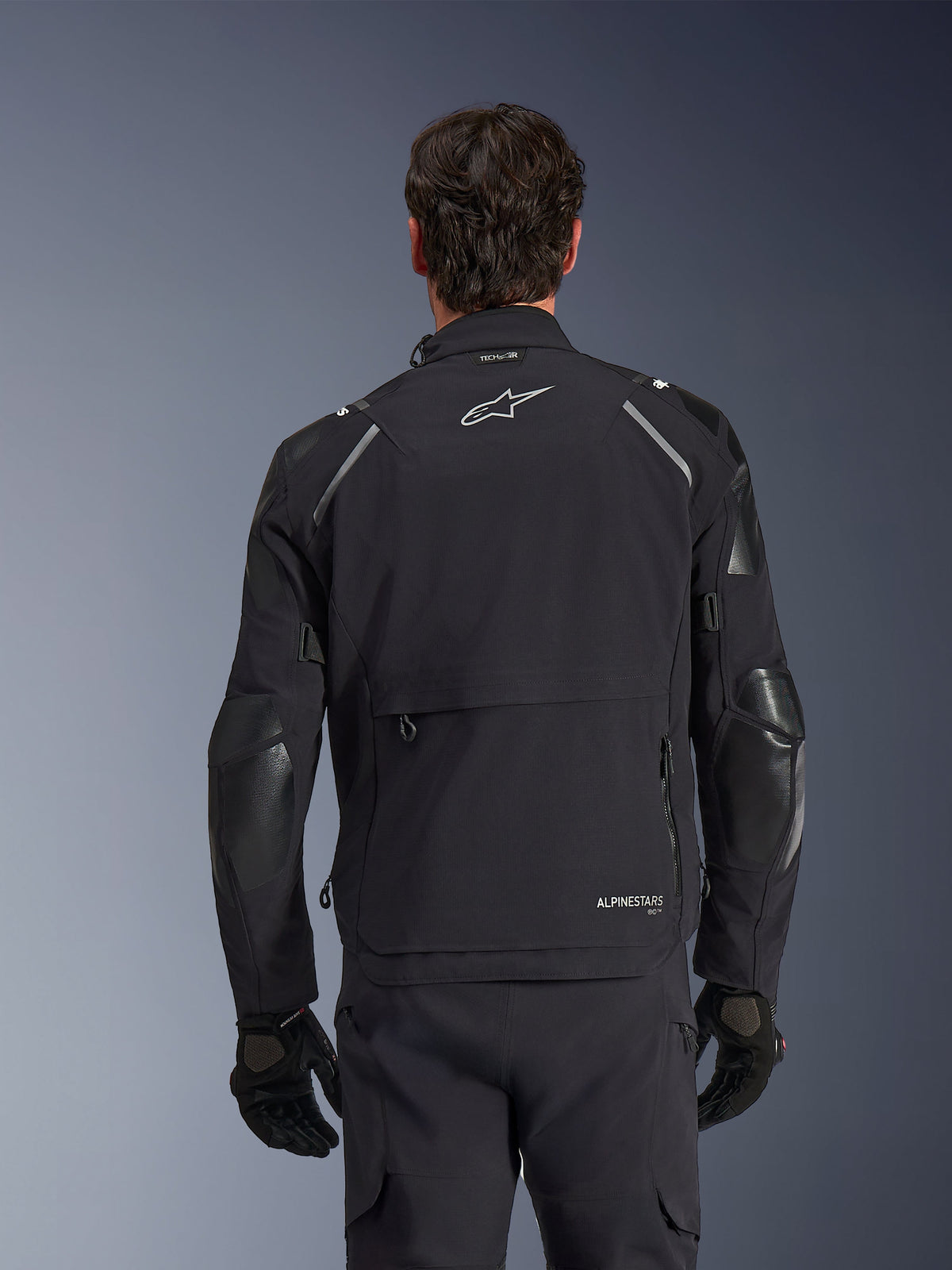
Andes Pro Drystar® XF Jacket -
Andes Pro Drystar® XF Pants -
Supertech R10 Team Helmet -
GP Tech V5 Leather Suit - 1 Piece -
Zaca Air Jacket -
Supertech R Boots -
GP Force V2 Leather Suit - 1 Piece -
Supertech R10 Arius Helmet -
T-GP Air Jacket -
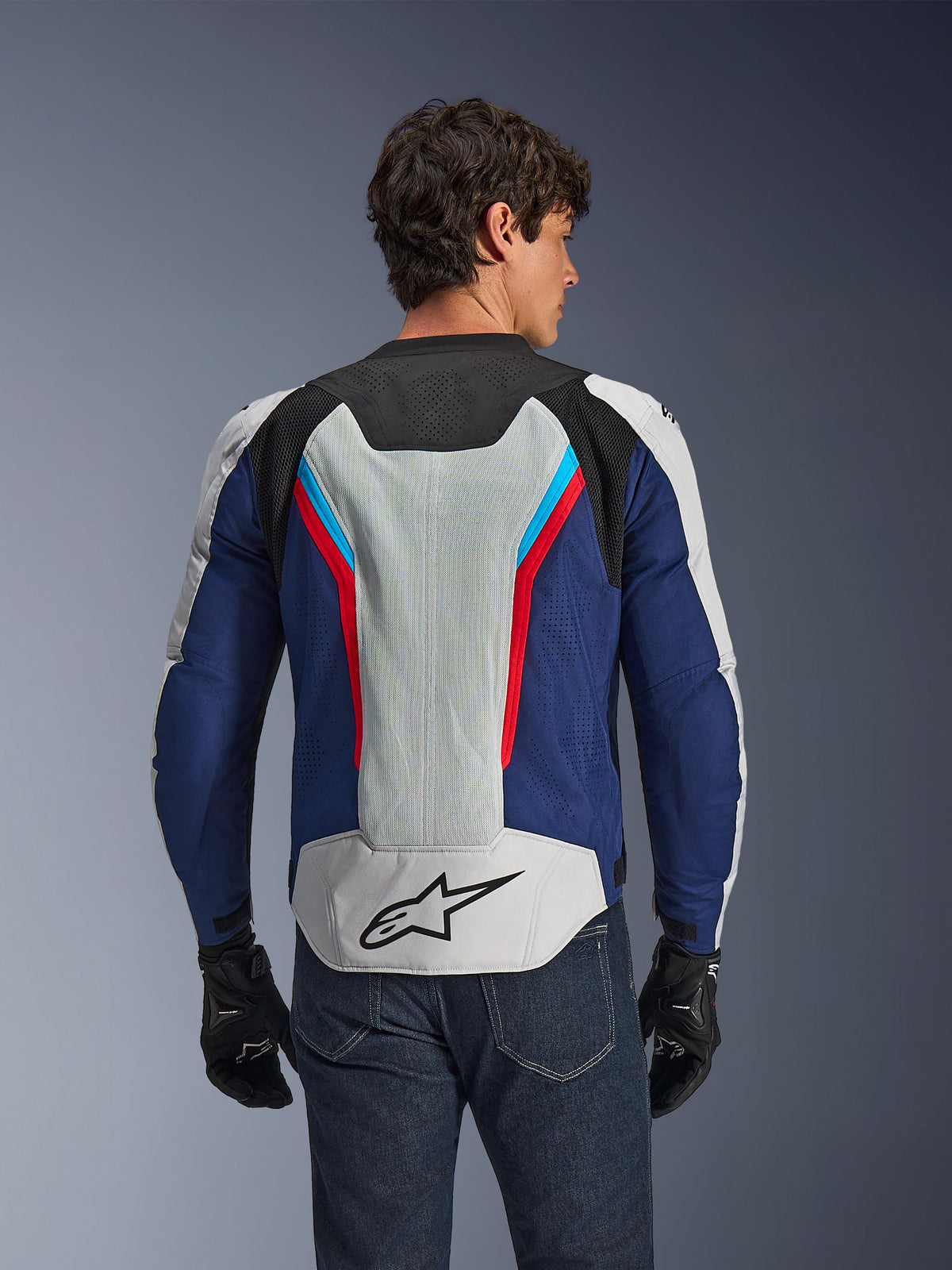
AST V3 Air Jacket -
Supertech R10 Solid Helmet -
Supertech R Boots -
Chrome Superairflow Hoodie -
Ageless Hoodie -
GP Pro R4 Gloves -
GP Force V2 Leather Suit - 2 Piece -
Gp Plus V4 Sprint Leather Suit - 1 Piece -
GP Force V2 Leather Jacket -
Supertech R Boots -
Stella GP-R7 Leather Suit - 1 Piece -
Yamaha GP-R7 Leather Suit - 1 Piece -
T-GP Air Jacket -
Aeroshell Airflow Jacket -
Aeroshell Airflow Pants -
GP Force V2 Leather Jacket -
Ageless Hoodie





























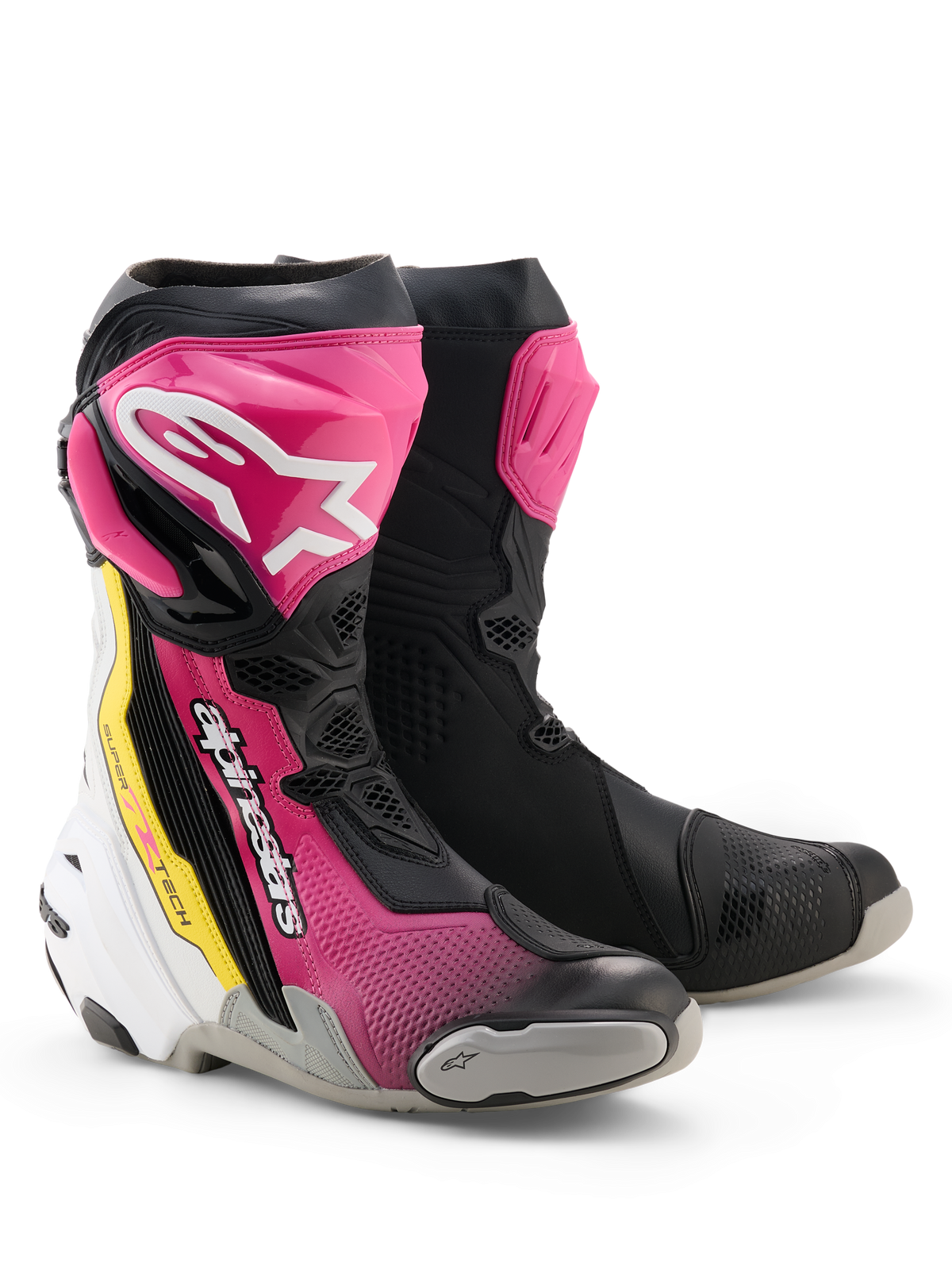


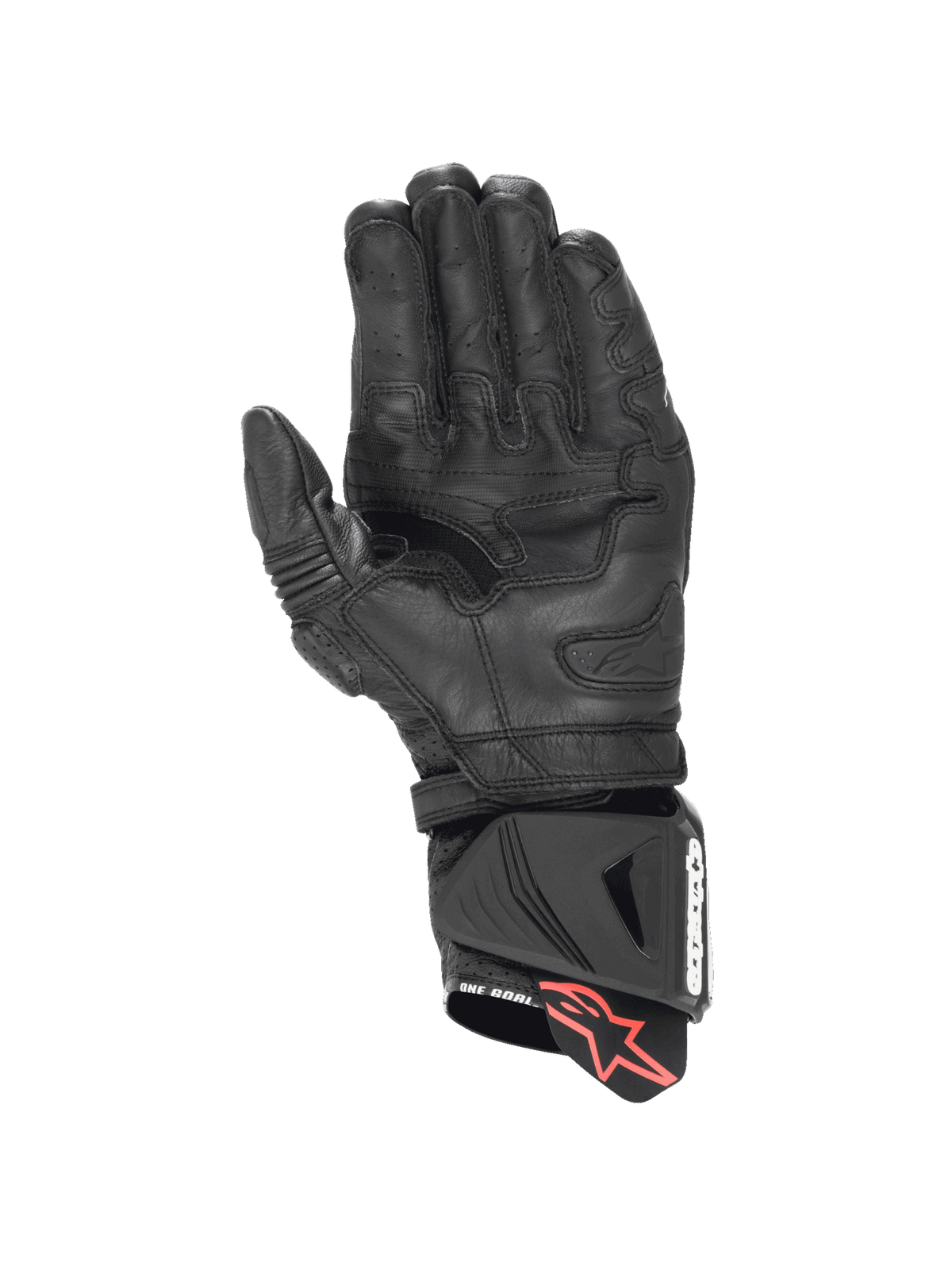


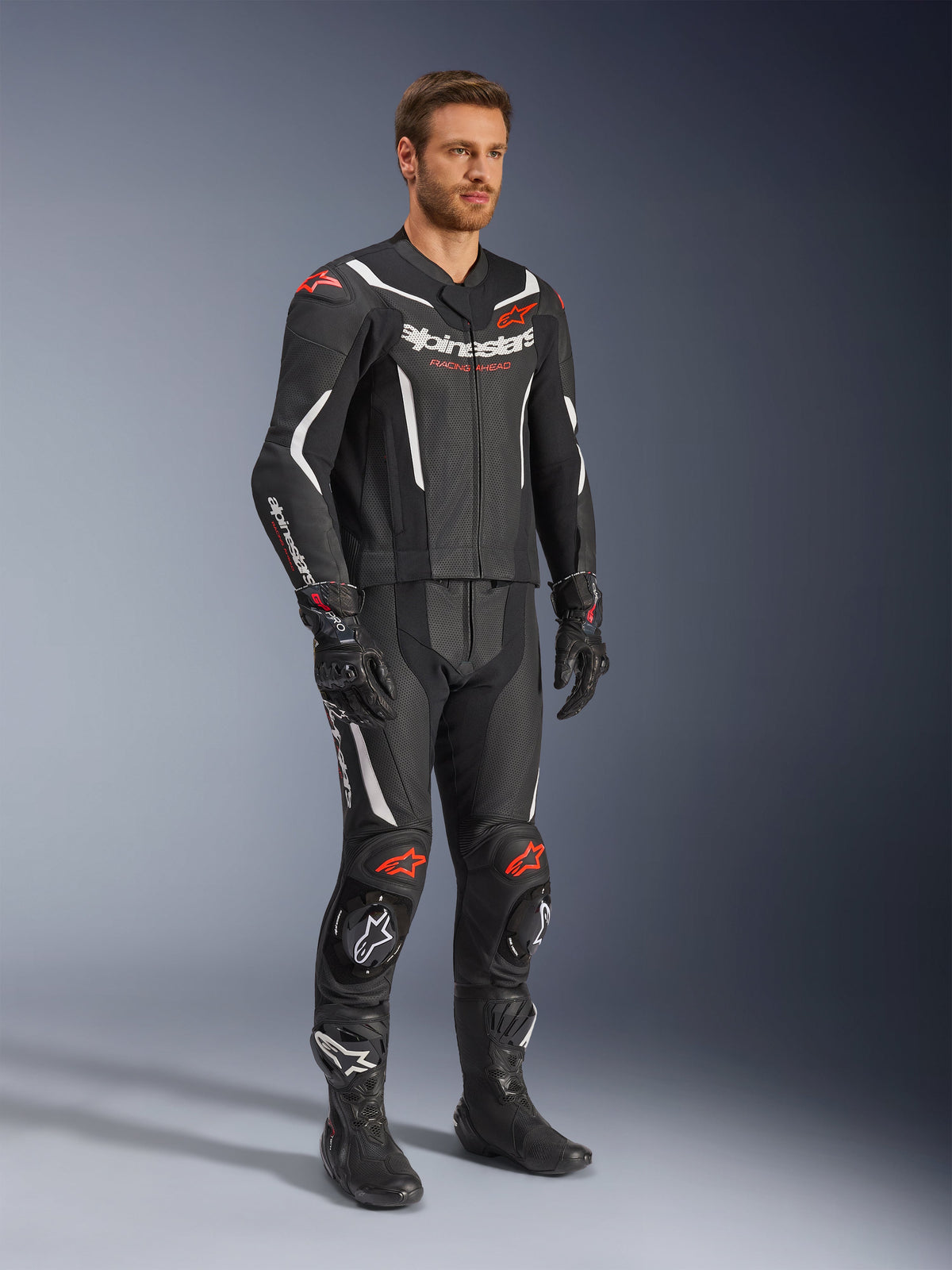


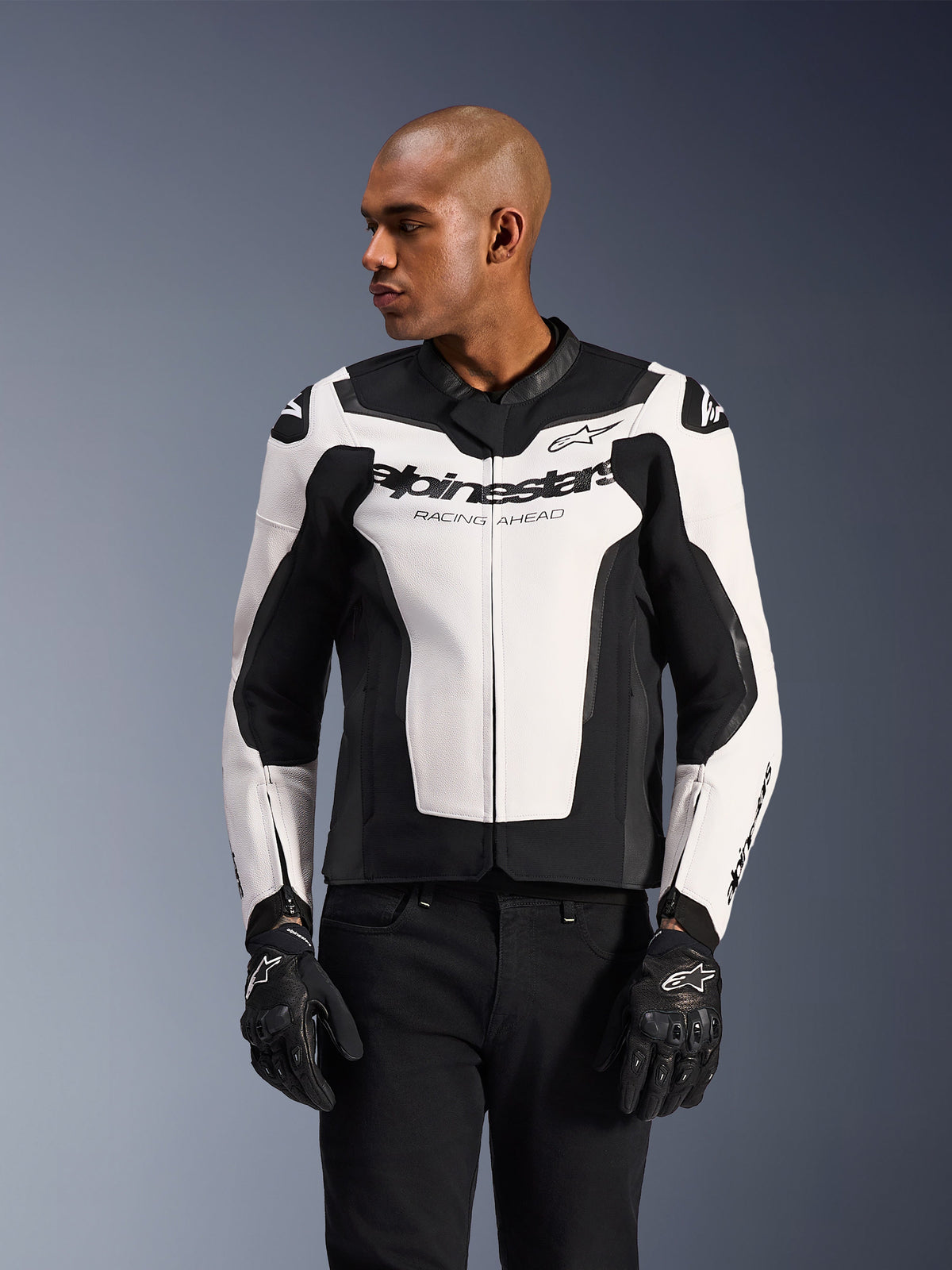
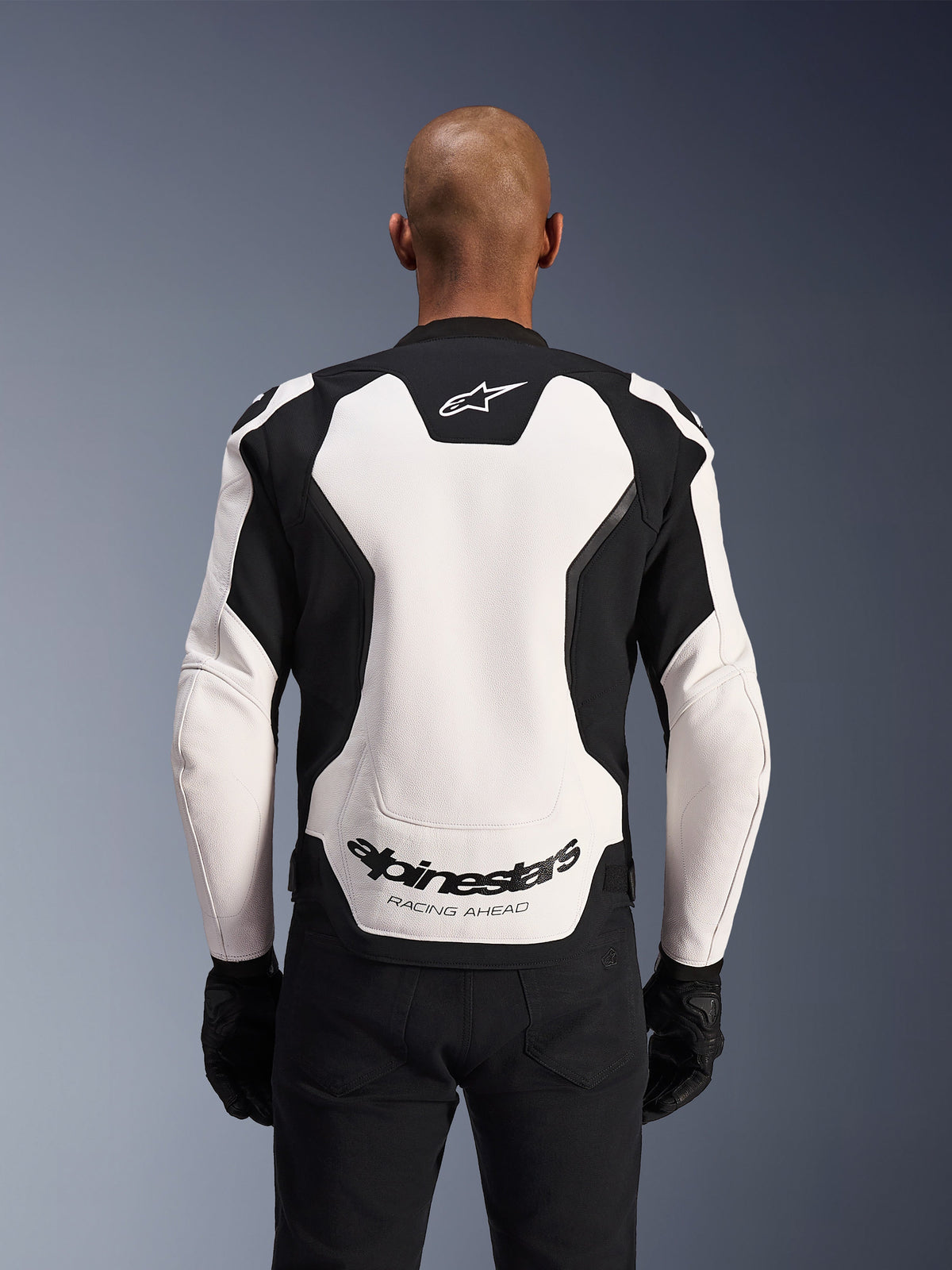


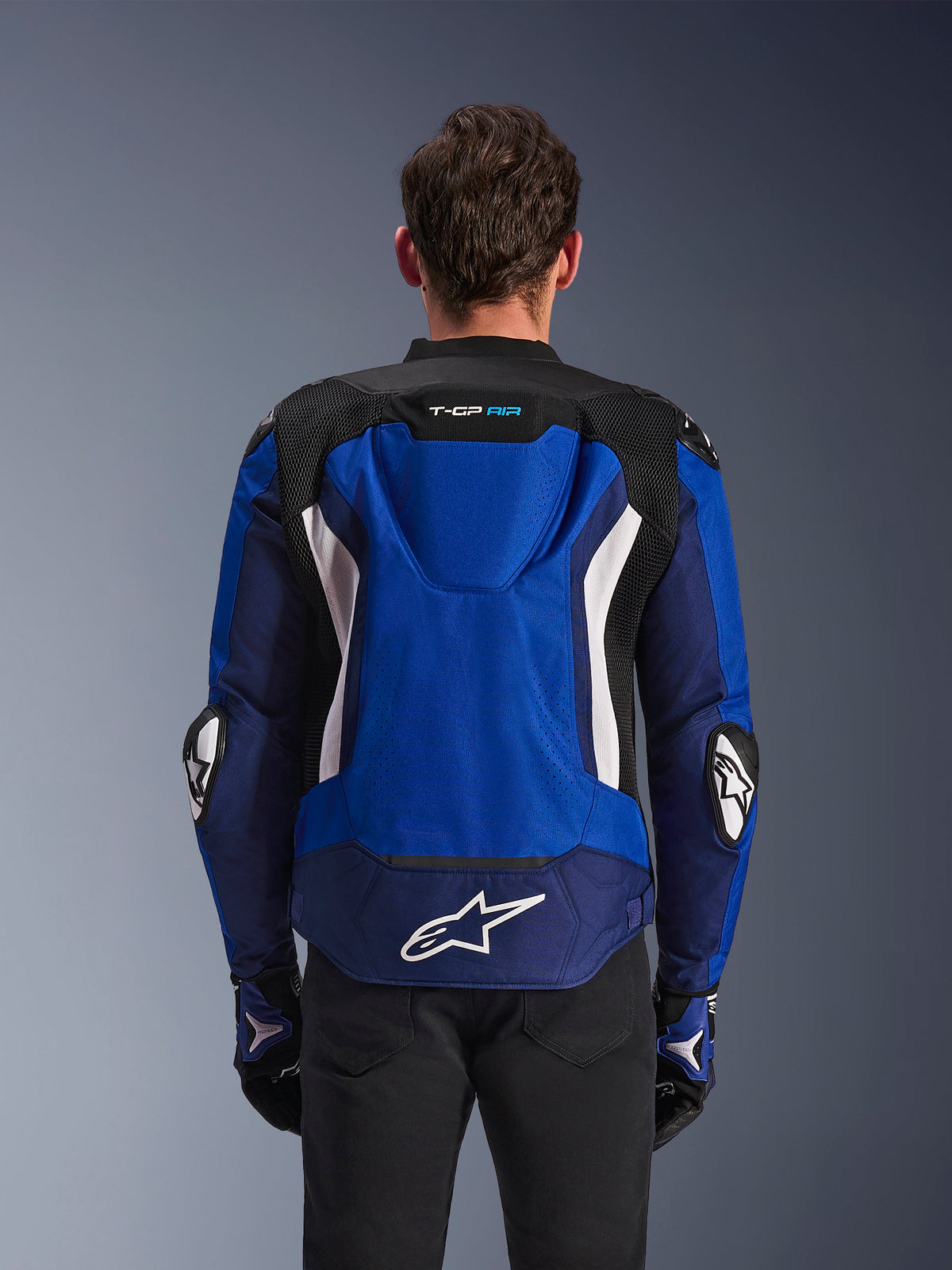

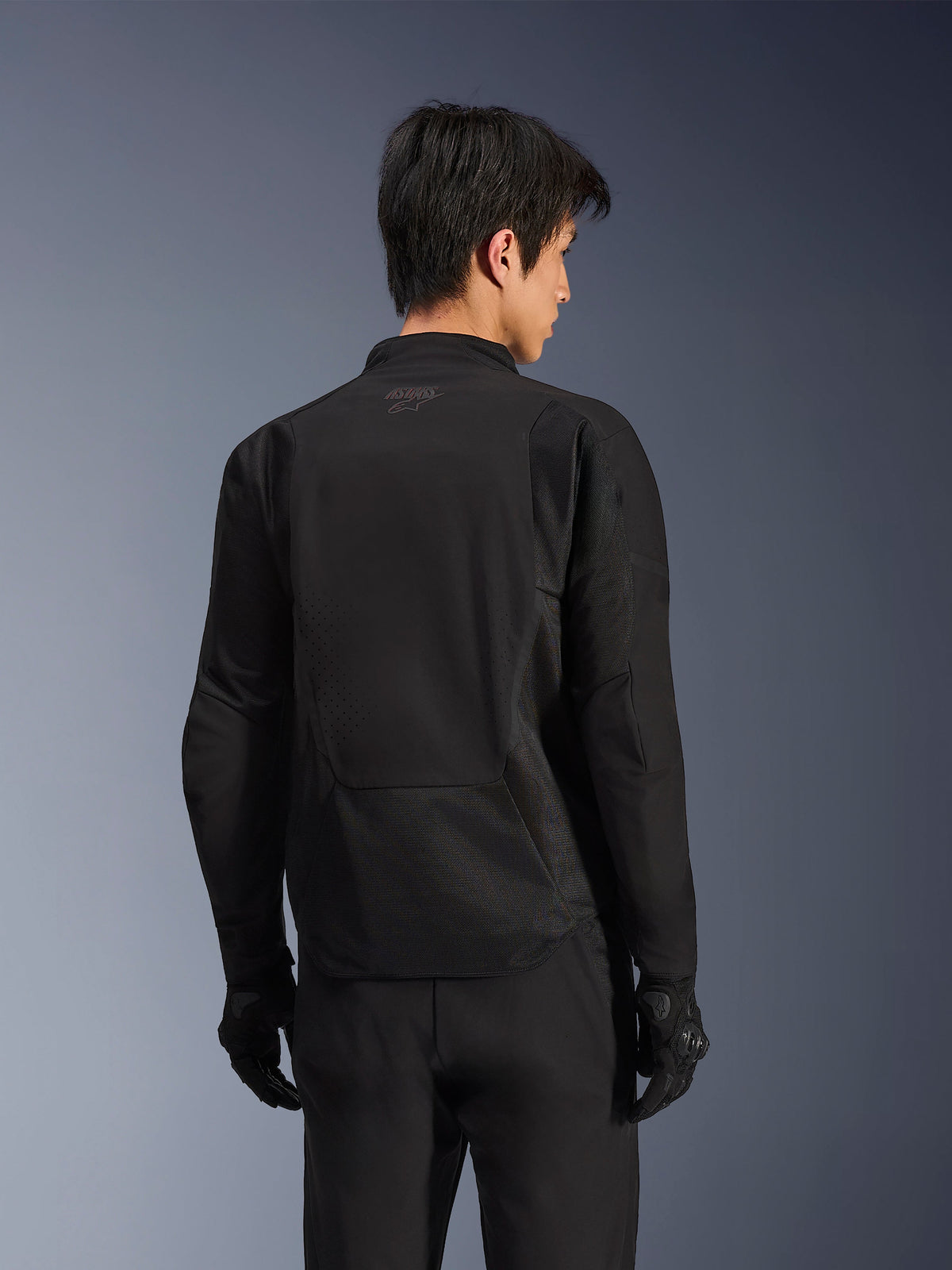


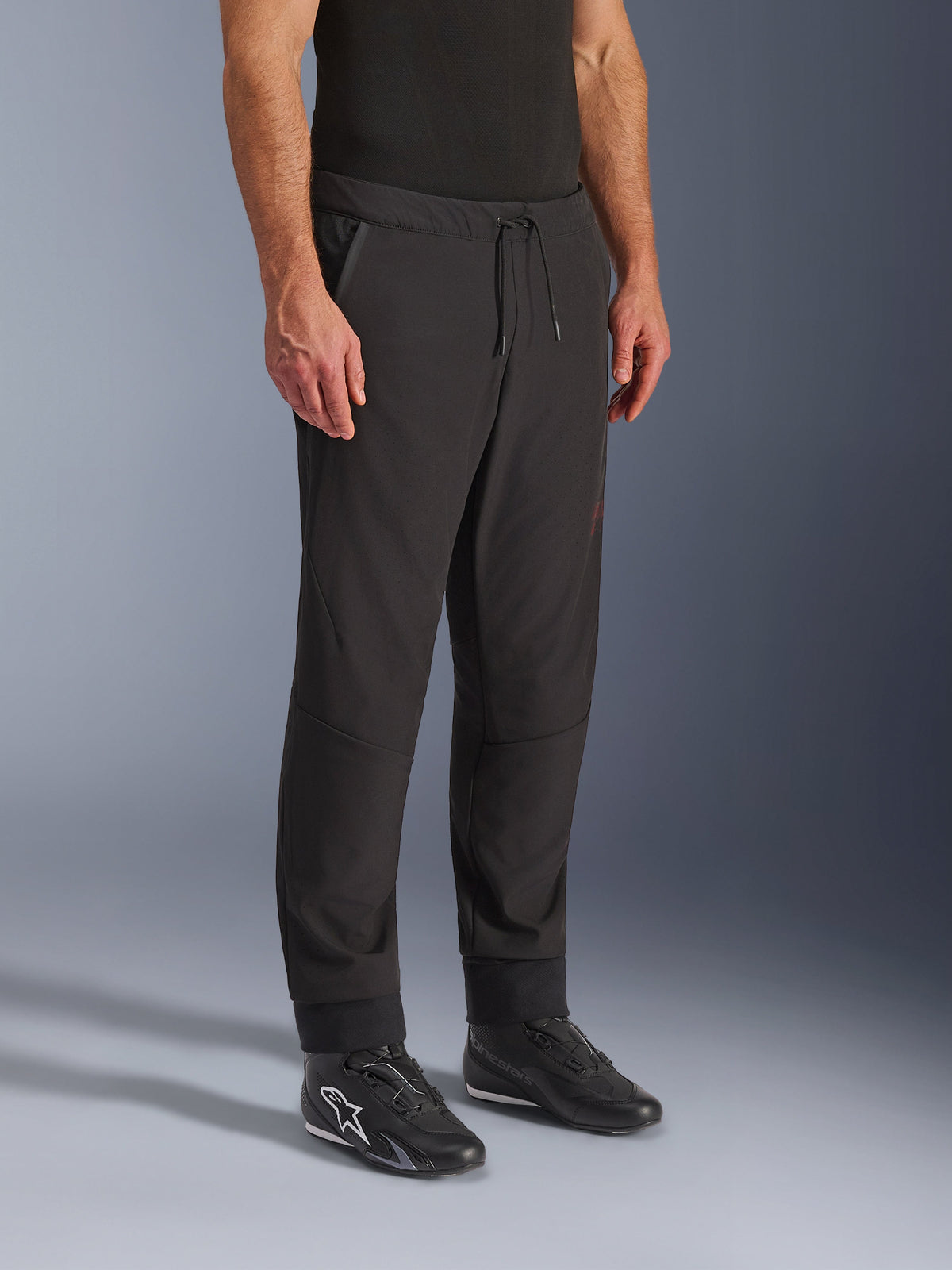


Frequently asked questions Hide FAQs
What types of motorcycle gear are included in this collection?
This collection brings together a broad range of motorcycle riding gear across key categories, including jackets, pants, suits, gloves, boots, helmets, protection, and Tech-Air® airbag systems. It is designed as a wide entry point for riders comparing options across road, sport, adventure, and urban use.
Because the assortment spans multiple riding styles, you may find both protective outerwear and supporting equipment such as technical layers, riding shoes, and impact protection in one place. For narrower browsing, you can also explore road motorcycle gear, urban motorcycle gear, or all motorcycle products.
How do I choose the right motorcycle gear for my riding style?
The right setup depends on where and how you ride. Racing and sport riders typically look for aerodynamic fits, leather or advanced textile construction, and higher emphasis on slide performance and speed-focused ergonomics. Adventure and touring riders usually prioritize weather protection, layering flexibility, and comfort over long distances, while urban riders often want lower-profile protection and everyday wearability.
If you are comparing categories, use riding position, climate, and expected speed as your main decision points. Riders focused on commuting, canyon riding, touring, or mixed terrain will usually benefit from different materials, ventilation layouts, and protection packages.
How should motorcycle gear fit for the right balance of comfort and protection?
Motorcycle gear should fit securely without restricting control inputs or range of motion. Jackets and suits should keep armor positioned correctly at the shoulders, elbows, back, hips, and knees when you are in a riding posture, not just when standing upright. Gloves should fit close through the palm and fingers, and boots should hold the heel firmly while leaving enough toe room for control and comfort.
If you plan to wear base layers, thermal layers, or an airbag-compatible garment, account for that before choosing a size. A fit that is too loose can allow protectors to shift, while one that is too tight can reduce mobility and comfort on longer rides.
Is the gear in this collection CE-certified and compatible with Tech-Air systems?
Many products in a broad motorcycle gear collection like this include CE-certified protective components or are built to relevant motorcycle PPE standards, but certification varies by category and model. Helmets, boots, garments, and armor are tested under different standards, so the exact rating should always be confirmed on the individual product page.
Tech-Air® compatibility also depends on the specific jacket or suit. Some garments are designed to work with selected Alpinestars airbag systems, while others are not. To confirm fitment before ordering, use the Tech-Air® compatibility checker.
What materials and weather options can I expect in a full motorcycle gear collection?
A wide moto collection usually includes leather, textile, mesh, microfiber, stretch panels, and waterproof membrane constructions, each serving a different purpose. Leather is often chosen for abrasion resistance and sport use, mesh panels for hot-weather airflow, and laminated or membrane-equipped textiles for wet or variable conditions.
When comparing gear, think in terms of climate and season. Hot-weather riders often prefer highly ventilated jackets and gloves, while cold or wet-weather riders may need thermal layering, wind protection, and waterproof or water-resistant shells. If you ride across changing conditions, modular systems and layered constructions usually offer the most flexibility.